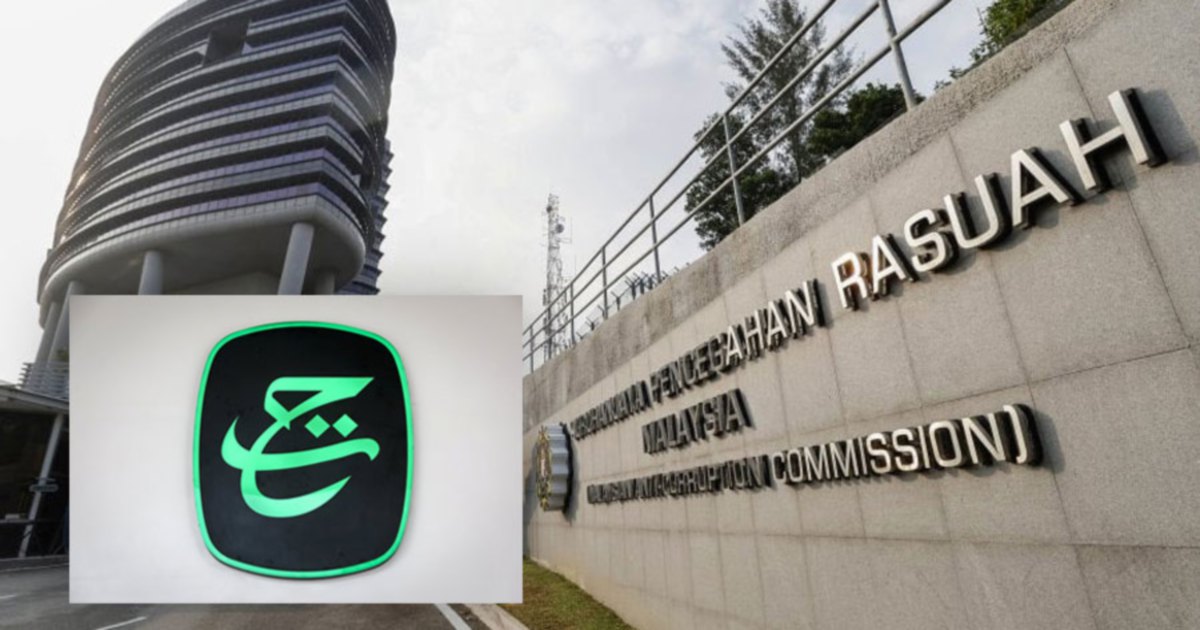
The Malaysian Anti-Corruption Commission is preparing to call in a former chief executive of Tabung Haji for questioning as the graft watchdog intensifies its enforcement response to a recently completed royal commission inquiry. The development signals a broadening of MACC's investigative scope into the Islamic pilgrimage fund, which has faced mounting scrutiny over governance lapses and financial mismanagement that contributed to widespread losses affecting hundreds of thousands of Malaysian pilgrims.
Tabung Haji, the state-backed institution responsible for managing savings pools for prospective umrah and hajj pilgrims, has undergone intensive examination following the establishment of a royal commission of inquiry. The inquiry was tasked with investigating circumstances surrounding the fund's deteriorating financial position and the decisions that precipitated substantial investor losses. Findings from the commission appear to have furnished MACC with leads into potential breaches of anti-corruption laws, placing former senior management squarely in the agency's crosshairs.
The former CEO identified for potential summons held significant decision-making authority during a critical period for Tabung Haji's operations. As the institution grappled with mounting challenges, including exposure to volatile investments and questionable financial strategies, senior leadership bore responsibility for stewardship and fiduciary obligations to contributors. The royal commission's conclusions have apparently created documentary evidence and findings that MACC now considers sufficiently substantive to warrant formal questioning.
For Malaysian readers, the prospect of enforcement action against Tabung Haji's former leadership carries profound implications. Millions of ordinary Malaysians rely on the fund as a dedicated savings mechanism for fulfilling the Islamic obligation of hajj pilgrimage. When institutional mismanagement erodes these savings, the human cost extends beyond balance sheets to disappointed families, delayed religious milestones, and breached trust between citizens and state institutions.
The timing of MACC's anticipated move reflects the standard investigative progression following a royal commission report. These inquiries typically operate with broader investigative powers and access to institutional records than regular law enforcement agencies. Once the commission concludes its work and transmits findings to relevant authorities, agencies like MACC can leverage the inquiry's work as an investigative foundation, cross-reference findings against potential offences under the Malaysian Anti-Corruption Commission Act, and then pursue their own enforcement pathway.
Tabung Haji's difficulties have represented a significant governance failure in Malaysia's institutional landscape. The fund manages billions of ringgit in combined savings and has historically positioned itself as a cornerstone of Islamic financial stewardship in the country. Its recent travails have exposed vulnerabilities in oversight mechanisms and raised uncomfortable questions about how a state-backed institution could sustain such substantial losses without triggering earlier regulatory intervention.
The inquiry process itself generated substantial documentation that MACC investigators are now evidently examining for indicators of potential wrongdoing under criminal corruption statutes. Former executives may face questioning regarding decision-making authority, approval processes for questionable investments, disclosure standards, and whether personal interests intersected with institutional decisions. MACC's investigative framework focuses on whether officials abused their positions for personal gain or took actions that demonstrably breached fiduciary duties in exchange for illicit rewards.
Regionally, Malaysia's handling of Tabung Haji represents a test case for institutional accountability in Southeast Asia. Other nations with similar pilgrimage savings mechanisms or state-managed investment vehicles face analogous governance challenges. How effectively Malaysia's anti-corruption apparatus responds to institutional malfeasance carries implications for regional confidence in governance standards and the credibility of enforcement agencies across Southeast Asia.
The summons will likely represent an initial investigative step rather than a definitive conclusion regarding potential charges. MACC will seek detailed testimony regarding decision-making rationale, documentation of approvals, communication patterns, and connections between institutional decisions and personal outcomes. Depending on responses and corroborating evidence, investigators may deepen their inquiries or, conversely, determine that evidence is insufficient for prosecution.
Stakeholders in Malaysia's Islamic finance sector will be closely monitoring these developments. Tabung Haji's regulatory environment and governance standards directly influence confidence in other state-backed Islamic financial institutions. Demonstrating that serious misconduct triggers genuine accountability mechanisms strengthens institutional credibility, whilst perceived inaction or insufficient enforcement would amplify concerns about governance standards across the Islamic financial ecosystem.
The former CEO's potential summoning represents more than an isolated investigative step. It embodies Malaysia's formal response to institutional failure and its commitment to holding senior executives accountable for breach of trust. The outcome will shape expectations regarding governance accountability throughout the country's public institutional landscape for years to come.

