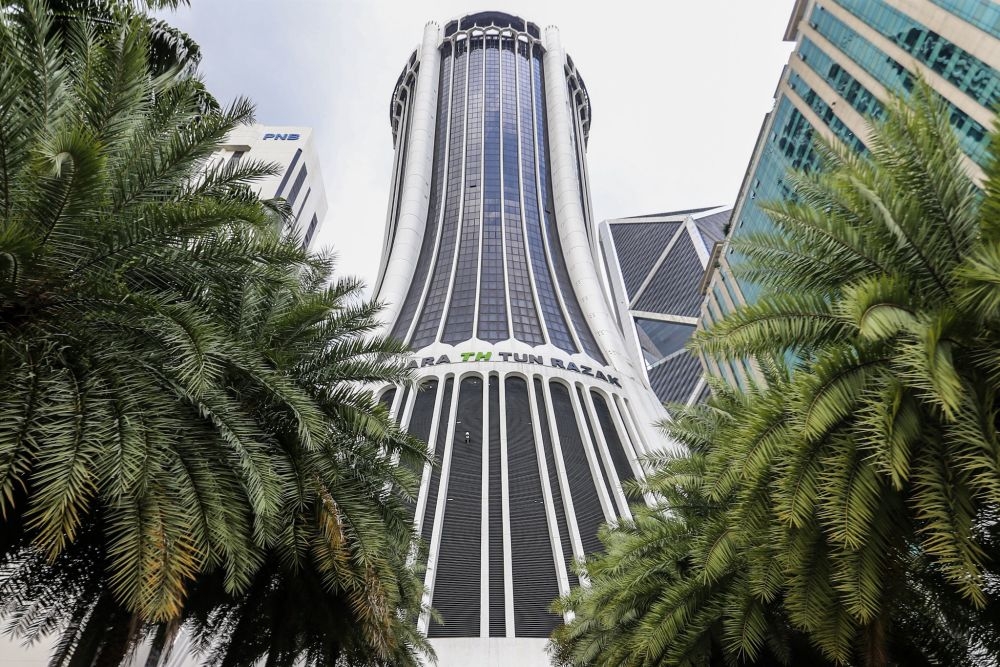
Enforcement agencies across Malaysia are intensifying their investigative efforts into alleged irregularities at Tabung Haji, the nation's Islamic pilgrim savings fund, in response to findings contained in a recently released Royal Commission of Inquiry report. The coordinated action among the Malaysian Anti-Corruption Commission (MACC), Royal Malaysian Police, and the Inland Revenue Board (IRB) signals a serious government commitment to pursuing accountability for any wrongdoing at the state-owned institution, which manages funds for millions of Malaysian Muslims preparing for the hajj pilgrimage.
The Royal Commission of Inquiry, a formal investigative body with authority to examine matters of national importance, has produced detailed documentation of alleged irregularities at Tabung Haji that presumably warrant criminal and tax scrutiny. The release of such findings typically triggers mandatory follow-up action from enforcement authorities to determine whether criminal offences, corruption, or tax violations have occurred. For Malaysian readers, the matter carries particular significance given that Tabung Haji manages savings belonging to ordinary Malaysians—many from middle and lower-income backgrounds—who are accumulating funds for their religious obligation to perform the hajj.
The MACC's involvement suggests that corruption allegations form a central component of the RCI's concerns. Malaysia's dedicated anti-corruption body typically investigates offences under the Malaysian Anti-Corruption Commission Act 2009, which covers public officials and those entrusted with public resources. If Tabung Haji executives or board members are found to have abused their positions for personal gain or made decisions contrary to the fund's interests, such conduct could constitute criminal corruption charges. The MACC's expanded investigation signals that the inquiry findings may contain evidence of deliberate misconduct rather than mere administrative lapses.
Parallel involvement of the Royal Malaysian Police indicates that the RCI report likely documents conduct falling outside pure corruption frameworks—potentially including criminal breach of trust, theft, or fraud offences. Police investigations into financial crimes complement MACC work, as certain offences require criminal rather than corruption-specific charges. For a fund managing billions of ringgit in public money, police engagement underscores the potentially large-scale nature of any irregularities uncovered by the commission.
The IRB's participation points toward possible tax evasion or improper financial reporting connected to the alleged irregularities. Given Tabung Haji's substantial investment portfolio and complex financial operations, the tax authority may be investigating whether entities involved in questionable transactions properly reported income or whether related entities improperly claimed deductions or exemptions. Tax investigations often uncover financial flows that corroborate or expand upon corruption allegations, making IRB involvement a natural extension of the MACC investigation.
For Malaysian investors and depositors with Tabung Haji savings, the simultaneous engagement of multiple enforcement agencies creates both reassurance and concern. Reassurance derives from visible institutional response to allegations, suggesting that the system possesses mechanisms to investigate and potentially prosecute wrongdoing. Concern emerges from recognition that serious irregularities have apparently occurred at an institution holding their retirement savings and hajj funds. The coordination among agencies suggests authorities view the matter as sufficiently grave to warrant urgent, comprehensive action rather than siloed investigations.
Regionally, the Tabung Haji case carries implications for investor confidence across Southeast Asia. Brunei, Indonesia, and other countries with similar Islamic financial institutions observe how Malaysia's authorities respond to governance failures. A vigorous investigation and prosecution record demonstrates institutional resilience and commitment to protecting public assets, potentially strengthening confidence in Islamic financial products across the region. Conversely, any perception of political interference or inadequate accountability could undermine regional confidence in such institutions.
The ramped-up enforcement response also reflects lessons from previous Malaysian financial scandals, where perceived delays or insufficient investigation undermined public trust and regional reputation. Authorities appear determined to demonstrate that governance failures at public institutions trigger swift, serious action rather than institutional protectionism. This represents a substantive shift from historical patterns where politically-connected figures sometimes escaped accountability.
Investigation timelines remain crucial for public confidence. While thorough investigations require time, prolonged processes without visible progress can generate suspicion of deliberate obstruction. The three-agency approach suggests authorities recognize this tension and have coordinated to maintain investigation momentum and transparency. Their joint engagement may also facilitate information-sharing and prevent jurisdictional gaps where wrongdoing could slip through investigative cracks.
For depositors and potential hajj pilgrims, the investigation outcomes will directly affect Tabung Haji's operational recovery and future trustworthiness. Authorities must balance thorough investigation with institutional stability, as excessive disruption could harm ordinary Malaysians' savings and pilgrimage planning. The coordinated agency response presumably reflects calculated judgment that serious investigation protects long-term institutional integrity better than administrative minimization of concerns.
Looking forward, the investigation will reveal whether RCI findings represent isolated executive misconduct or systemic institutional failures requiring restructuring. Different conclusions will demand different remedial responses, from individual prosecutions to governance reforms. Malaysian stakeholders and regional observers will closely monitor both the investigation's progress and the transparency with which findings are ultimately disclosed to the public.

