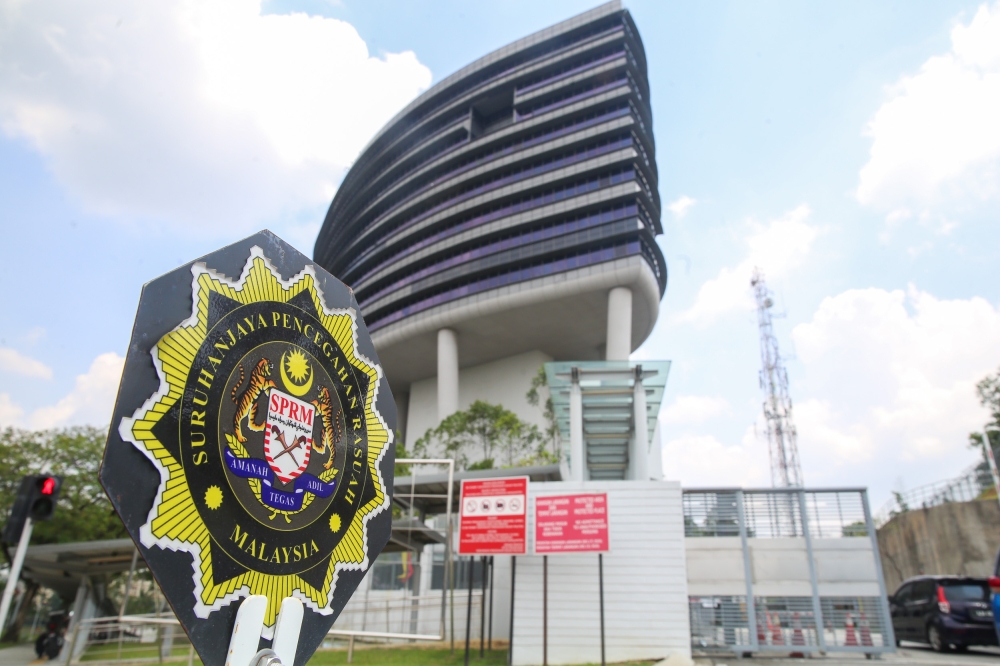
The Malaysian Anti-Corruption Commission (MACC) has made a direct appeal to secretaries-general across all government ministries to establish robust protective mechanisms for individuals who report corrupt practices within their departments. This initiative reflects a broader strategic shift within Malaysia's anti-corruption apparatus, which recognises that strengthening whistleblower protection frameworks is fundamental to the country's efforts to achieve a higher ranking in international corruption perception indices.
The commission's position underscores a critical reality: countries that fail to protect those who expose wrongdoing face significant obstacles in tackling systemic corruption. Whistleblowers serve as essential conduits for uncovering illicit activities that might otherwise remain hidden within bureaucratic structures. By placing emphasis on institutional safeguards at the ministerial level, MACC is attempting to create a cultural and procedural shift that encourages government employees to come forward without fear of retaliation.
Malaysia's position in global corruption perception rankings has long been a matter of concern for policymakers and civil society organisations. The country's standing in these indices—particularly the Corruption Perceptions Index (CPI) compiled by Transparency International—has direct implications for investor confidence, foreign direct investment flows, and the nation's international reputation. Improving these rankings requires demonstrable progress in multiple areas, including the detection and prosecution of corruption cases, but also the creation of an ecosystem where information about wrongdoing can flow freely to authorities.
The MACC's appeal to ministry secretaries-general specifically targets those officials who wield significant influence over departmental culture and operational procedures. Secretaries-general, as the senior administrative heads of their respective ministries, are positioned to institute policies that either encourage or discourage employees from reporting suspicious activities. By engaging these key figures directly, MACC is attempting to translate its institutional mandate into practical workplace protections that would apply across the federal bureaucracy.
Whistleblower protection encompasses multiple dimensions. Beyond legal immunity from prosecution, it includes safeguards against dismissal, demotion, or transfer undertaken in retaliation for reporting. It also involves mechanisms for handling complaints confidentially, ensuring that individuals who expose corruption are not identified unless they consent to disclosure. Additionally, effective protection schemes may include financial support for whistleblowers who face economic hardship as a result of their actions, and psychological support services to help them navigate the personal and professional consequences of coming forward.
The timing of this appeal is significant. Malaysia's anti-corruption efforts have received increased international scrutiny, and the government has signalled its commitment to improving governance standards. By taking this proactive step, MACC is demonstrating that the commission understands the interconnection between institutional protection frameworks and corruption detection rates. Countries with weaker whistleblower protections typically report lower levels of detected corruption—not because corruption is less prevalent, but because fewer people are willing to risk their careers and safety by exposing it.
For Southeast Asian context, Malaysia's approach aligns with broader regional trends toward strengthening anti-corruption infrastructure. Neighbouring countries including Singapore and Indonesia have implemented various whistleblower protection mechanisms, though with varying degrees of effectiveness. Malaysia's push to formalise these protections across all ministries represents an attempt to bring the country into line with regional best practices and international standards established by organisations such as the United Nations and the World Bank.
Implementing whistleblower protection at the ministerial level offers distinct advantages. Rather than relying solely on centralised MACC-administered channels, departmental protections create multiple pathways for reporting and allow ministry-level officials to address concerns quickly. This decentralisation can reduce bureaucratic friction and may encourage more employees to come forward, knowing that protections are embedded within their immediate institutional environment. However, it also requires consistent training and oversight to ensure that protections are applied uniformly across different ministries and that standards do not erode over time.
The broader implication for Malaysia's anti-corruption trajectory is that perception and reality must move in tandem. A higher CPI ranking reflects both the actual prevalence of corruption and the effectiveness of detection and investigation mechanisms. By actively fostering an environment where whistleblowers feel protected, Malaysia can increase the volume of credible information flowing to authorities, enabling more thorough investigations and successful prosecutions. This creates a virtuous cycle: more detected cases lead to higher conviction rates, which in turn signal to the international community that the government is serious about combating corruption.
For government employees across Malaysia, this initiative may represent a turning point in their relationship with anti-corruption mechanisms. Previously, many workers may have viewed reporting corruption as personally risky, preferring to remain silent rather than jeopardise their livelihoods. MACC's intervention at the ministerial level aims to shift this calculus, making silence the riskier proposition by creating institutional and legal consequences for corruption, whilst simultaneously reducing the personal risk borne by those who report it.
The success of this initiative will ultimately depend on implementation and sustained commitment. Guidelines issued from MACC headquarters must be translated into concrete procedures within each ministry, backed by adequate resources and consistent monitoring. Ministry secretaries-general must communicate these protections clearly to their staff and demonstrate through their actions that they genuinely value and protect those who report corruption. Without this follow-through, MACC's appeal will remain aspirational rather than transformative.
Looking ahead, the outcome of this whistleblower protection push will be measurable through both quantitative and qualitative indicators. The commission will likely track changes in the number of reports received, the types of corruption cases detected, and ultimate conviction rates. Simultaneously, international observers assessing Malaysia's CPI ranking will evaluate whether the country's governance infrastructure has genuinely strengthened. For Malaysian policymakers invested in improving the nation's anti-corruption standing, the next stage involves moving beyond rhetoric to demonstrable institutional change.

