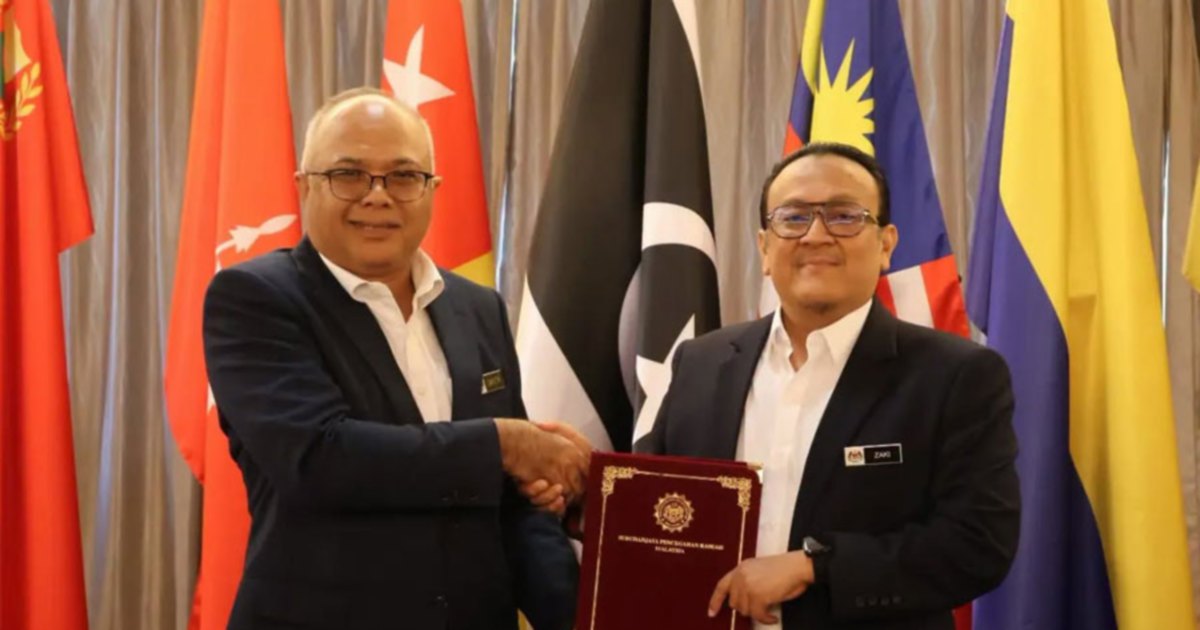
The Malaysian Anti-Corruption Commission has put forward a comprehensive set of six governance enhancements designed to reinforce the Cooking Oil Price Stabilisation Scheme, reflecting growing concerns about oversight gaps and revenue leakage within one of the government's largest consumer subsidies. The recommendations, presented in Putrajaya, aim to tighten administrative controls and create stronger safeguards across the supply chain for Malaysia's subsidised cooking oil programme, which represents a significant annual fiscal commitment.
The subsidy scheme has long been vulnerable to diversion and abuse, with cooking oil intended for domestic consumers sometimes finding its way into parallel markets or informal cross-border trade. These leakages inflate programme costs while undercutting the subsidy's intended benefit to ordinary Malaysian households. The MACC's intervention reflects a broader policy priority to preserve the integrity of social support programmes while maintaining their affordability objectives for lower-income groups who depend heavily on stable food prices.
Cooking oil subsidies occupy a unique position in Malaysia's fiscal landscape. Unlike some other price controls that have been gradually withdrawn, the COSS remains politically sensitive and economically significant, touching nearly every household's kitchen budget. Rising global palm oil prices in recent years have heightened government expenditure on maintaining price caps, making efficiency gains increasingly critical. The MACC's governance proposals directly address this fiscal pressure by proposing structural improvements rather than simply recommending the subsidy be removed.
The six-point reform package targets multiple weak points in the current system. These improvements are expected to enhance transparency across the distribution chain, from palm oil producers through licensed dealers to retail outlets, creating clearer accountability at each stage. Stronger verification mechanisms would help authorities track cooking oil movement more effectively and identify suspicious patterns that might indicate diversion or hoarding. Enhanced record-keeping requirements would provide better audit trails for government oversight bodies.
Implementing these reforms carries implications for all stakeholders in the cooking oil supply chain. Licensed dealers and retailers would face more rigorous compliance requirements and inspection protocols. While this increases their administrative burden, it also protects legitimate businesses from unfair competition with black market operators. Consumers benefit through greater assurance that genuine subsidised oil reaches the market, preventing shortages caused by artificial scarcity from diversions.
The timing of these recommendations reflects lessons learned from previous subsidy scheme failures across the region and within Malaysia itself. Fuel subsidies experienced similar control challenges before being substantially reformed in 2017, resulting in significant savings despite initial public resistance. The MACC appears to be drawing on that experience, proposing preventive governance measures rather than waiting for large-scale fraud to be discovered. This proactive stance aligns with international anti-corruption best practices that emphasise system design over reactive investigation.
For policymakers, the MACC proposals offer a middle path between two competing pressures. The government faces demands to maintain affordable cooking oil prices for consumers, particularly those in lower income brackets, while simultaneously seeking to control its ballooning subsidy bill. Strengthening governance mechanisms allows authorities to preserve the subsidy's affordability benefits while recovering efficiency losses. Every ringgit saved through reduced leakage can either lower the fiscal cost or extend greater subsidies to priority groups.
Regionally, Malaysia's approach to subsidy governance draws interest from other Southeast Asian nations facing similar challenges. Indonesia, Thailand, and the Philippines all operate cooking oil subsidy programmes that experience comparable diversion problems. The MACC's evidence-based reform recommendations could inform best-practice discussions among ASEAN countries seeking to improve subsidy programme administration without abandoning price support policies for essential commodities.
The implementation of these governance improvements will require coordination across multiple government agencies, including the Ministry of Domestic Trade and Cost of Living, the Finance Ministry, and enforcement bodies. Successful execution depends on adequate funding for compliance monitoring, staff training for personnel implementing new procedures, and information technology systems capable of tracking supply chain movements in real time. Without sufficient resources and political commitment, even well-designed reforms can fail to deliver anticipated benefits.
Stakeholder buy-in will prove essential for the reforms' success. Industry associations representing cooking oil dealers and retailers must perceive the changes as creating fair competition rather than imposing unreasonable burdens. Conversely, consumers and civil society groups monitoring subsidy integrity need confidence that enforcement mechanisms function effectively. Transparent communication about reform objectives and progress will help build acceptance across these diverse groups.
The MACC's focus on governance rather than subsidy removal reflects evolving thinking about subsidy reform in Malaysia. Rather than pursuing abrupt policy reversals that inflict hardship on vulnerable populations, authorities increasingly recognise that well-designed systems, proper oversight, and strong compliance frameworks can make subsidies more fiscally sustainable. This approach preserves social protection objectives while addressing efficiency concerns that have historically plagued price control programmes.
Whether these six recommendations gain formal adoption and effective implementation remains uncertain, as subsidy policy ultimately rests with the cabinet and parliament. However, the MACC's detailed governance analysis provides decision-makers with a credible technical foundation for reform discussions. Implementation timelines, resource allocation, and coordination mechanisms will determine whether proposed improvements translate into meaningful reductions in leakage and enhanced programme integrity for Malaysia's essential cooking oil subsidy.

