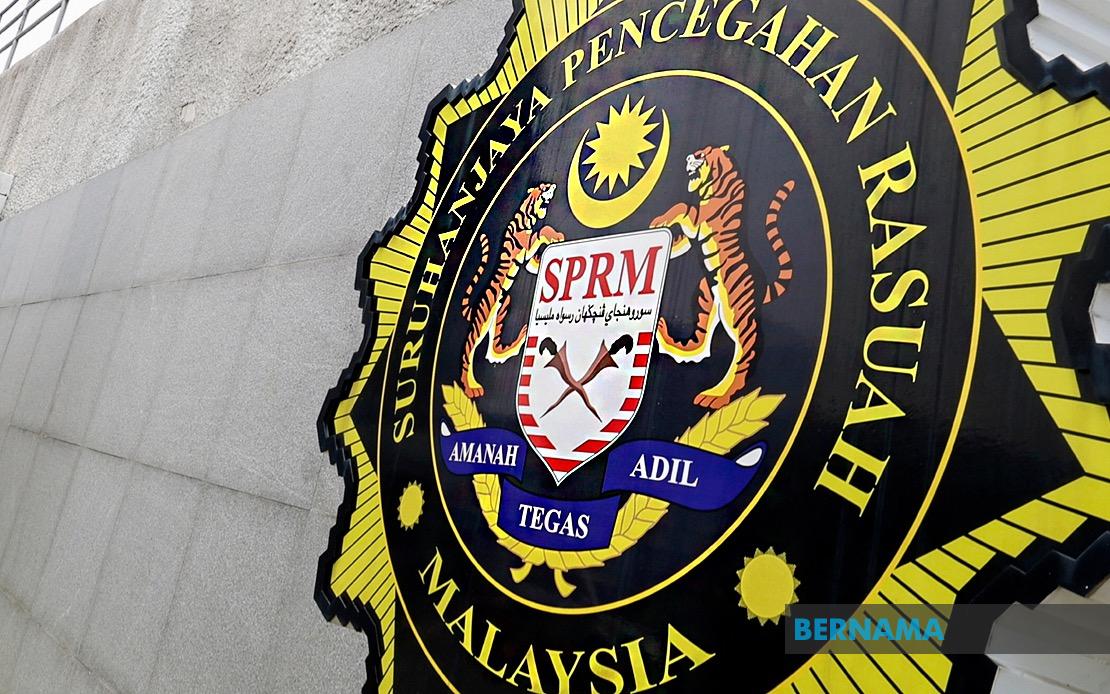
The Malaysian Anti-Corruption Commission announced on July 18 that it is actively searching for Mohamad Faizul Kamaruddin, 41, to formally deliver legal documents and compel his attendance at a forfeiture hearing due to take place at the Kuala Lumpur Criminal Sessions Court on August 20. The high-profile public appeal underscores the challenges anti-corruption authorities sometimes face when trying to locate individuals subject to investigations or legal proceedings.
The MACC is proceeding under Section 41 of the Malaysian Anti-Corruption Commission Act 2009, which grants the agency specific powers to locate and summon individuals in connection with asset forfeiture cases. This legislative provision allows authorities to take action to ensure compliance with court orders and investigative procedures, even when standard contact methods prove unsuccessful. The invocation of this authority signals the seriousness with which the commission is treating the matter.
According to official records held by the MACC, Kamaruddin's last known residential address was located at Block B-2-6, Taman Tun Sardon Flats in Gelugor, Penang. However, despite systematic attempts to reach him at this location, the investigating team has been unable to establish contact or confirm his current whereabouts. This suggests that Kamaruddin may have relocated or is deliberately avoiding contact with the authorities, a situation that occasionally arises in corruption-related investigations.
The public appeal represents a deliberate strategy to broaden the search beyond standard investigative channels. By releasing the information to media outlets and the general public, the MACC is leveraging community awareness to locate the individual. This approach has proven effective in previous cases where individuals have evaded initial attempts at contact, as members of the public may recognise the subject or have information about his movements.
Investigating officer Ahmad Nasharuddin Ab Razak has been designated as the point of contact for anyone possessing relevant information. The MACC has provided multiple channels through which the public can provide assistance, including a mobile telephone number (019-345 4565), a landline connection to the MACC Pahang office (09-571 6000), and an official email address ([email protected]). This multi-channel approach ensures that individuals with information can report through their preferred communication method.
Forfeiture proceedings represent an important mechanism in Malaysia's anti-corruption enforcement toolkit. Rather than proceeding solely through criminal prosecution, authorities may pursue civil remedies to recover assets suspected of being proceeds from corrupt activities. Such hearings require the subject's participation or legal representation, making the location of individuals facing these proceedings a procedural necessity.
The August 20 hearing date suggests that the MACC's investigation has reached an advanced stage, with sufficient evidence gathered to warrant formal asset recovery proceedings. The commission's decision to make a public announcement regarding Kamaruddin's location reflects the urgency of the situation and the importance of ensuring his appearance before the court.
Forfeiture cases in Malaysia have become increasingly prominent as anti-corruption efforts intensify across government and the private sector. These proceedings allow the state to recover assets without necessarily securing criminal convictions, providing a parallel avenue for asset recovery that complements traditional criminal prosecution. The involvement of the Kuala Lumpur Criminal Sessions Court indicates that the case involves significant amounts or complex asset structures requiring judicial oversight.
The inability to locate an individual subject to anti-corruption proceedings occasionally occurs in Malaysia and reflects broader challenges facing enforcement agencies. Individuals may relocate across state boundaries, leave the country, or move to address locations deliberately obscured from official records. The MACC's public appeal therefore serves both a practical function—locating Kamaruddin—and a procedural one—establishing a record that the commission made reasonable efforts to notify the subject of the hearing.
Members of the Malaysian public who may have encountered Kamaruddin or possess information about his current location are encouraged to contact the MACC promptly. Even partial information about his whereabouts or activities could prove valuable to investigators working to ensure proper legal process. The commission's transparency in releasing these details demonstrates its commitment to maintaining procedural integrity while pursuing asset recovery objectives.
The situation also highlights the occasional complications that arise when individuals subject to corruption investigations become uncontactable. Such occurrences test the robustness of Malaysia's legal framework and the determination of enforcement agencies to pursue cases to completion despite practical obstacles. The MACC's continued efforts to locate Kamaruddin reflect the institution's resolve to proceed with the forfeiture hearing regardless of whether voluntary cooperation can be obtained.

