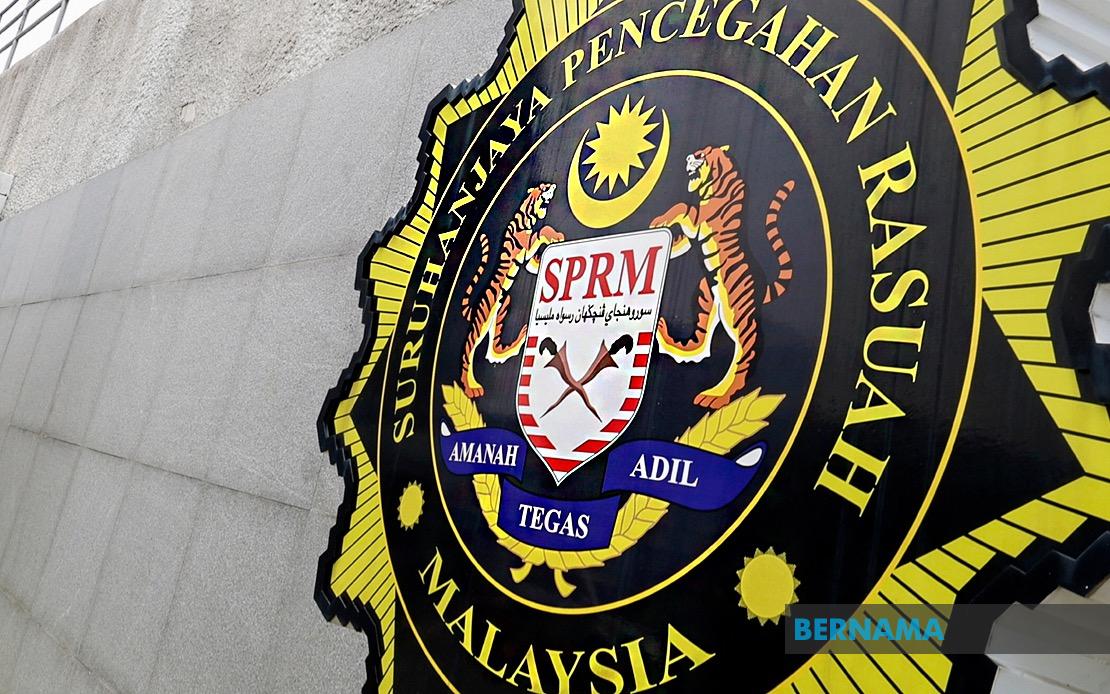
Ahead of Johor's forthcoming state election, the Malaysian Anti-Corruption Commission has announced plans to establish five dedicated operations rooms designed to receive complaints and intelligence regarding electoral malpractice. These facilities will commence operations on June 27, the nomination day, and remain active until July 11, when voters head to the polls. The decision reflects the MACC's commitment to maintaining electoral integrity during what is expected to be a closely contested state-level contest.
The five complaint centres will be strategically positioned across the state to ensure accessibility for members of the public. The primary office will be based at MACC's Johor headquarters in Tampoi, with additional branches established in Batu Pahat, Kluang, Segamat, and Mersing. This geographical distribution recognises the size of Johor and the dispersed nature of constituencies, enabling residents in both urban and rural areas to lodge concerns without travelling excessive distances. The branch locations reflect population centres and regions that have previously warranted anti-corruption oversight during electoral processes.
Operations at these rooms will run continuously on a 24-hour basis throughout the election period, signalling the MACC's determination to capture complaints outside conventional business hours. This round-the-clock availability is particularly significant given that electoral misconduct often occurs during evening hours or when monitoring activities are traditionally reduced. The public can visit these physical locations to file reports directly with MACC personnel, who will be stationed to receive information and provide guidance on the complaint process. This face-to-face option remains crucial in Malaysia, where many citizens prefer personal contact with government authorities rather than remote submissions.
Beyond in-person reporting, the MACC has established a dedicated email channel for digital submissions: [email protected]. This alternative allows individuals who prefer anonymity or find it inconvenient to visit operations rooms to contribute information remotely. The provision of multiple reporting channels reflects contemporary approaches to citizen engagement and acknowledges varying comfort levels with different communication mediums. Email submissions can also serve as documented records, creating a clear audit trail for subsequent investigations.
The MACC's statement emphasised that all information received will be handled with professional rigour and transparency, subject to applicable legal frameworks. This assurance is designed to encourage the public to come forward with evidence of impropriety without fear of arbitrary or capricious handling. Transparency in investigation processes has become increasingly important in Malaysian governance, particularly following heightened public awareness of corruption and institutional accountability. By articulating these principles publicly, the MACC seeks to build confidence that the complaint mechanism serves the genuine purpose of addressing electoral violations rather than serving partisan interests.
The commission has also issued a clear warning to all candidates and political parties contesting the Johor election, reminding them of legal obligations and potential consequences of misconduct. Specifically, the MACC referenced the MACC Act 2009 and the Election Offences Act 1954 (Amendment 2012), both of which contain provisions criminalising various forms of corruption and electoral impropriety. This preemptive communication underscores the institutional stakes: candidates and parties should understand that the MACC will investigate violations and that penalties apply regardless of party affiliation or electoral significance.
The Johor state election follows the standard timeline established by the Election Commission, with voting scheduled for July 11. The nomination period opens on June 27, providing a two-week window for campaign activities, public engagement, and, inevitably, the circumstances in which electoral violations are most likely to occur. Early voting has been set for July 7, accommodating voters with mobility constraints, essential workers, and others unable to vote on the main polling day. The MACC's operations rooms will remain active throughout this entire compressed campaign period.
For Malaysian observers and regional analysts, the establishment of dedicated election-monitoring infrastructure reflects a broader pattern of strengthening electoral governance across Southeast Asia. While corruption remains a significant challenge, the presence of specialised complaint mechanisms signals institutional commitment to addressing violations. The Johor arrangement is consistent with MACC practice in previous major elections and demonstrates organisational readiness to deploy resources when electoral stakes are elevated. However, the ultimate effectiveness of these operations rooms depends on public willingness to file complaints and the political environment in which the MACC operates.
The implications for Johor voters and other residents are multifaceted. On the positive side, the complaint infrastructure provides a legitimate avenue for reporting misconduct observed during campaigning or voting. On the other hand, citizens must evaluate whether existing institutions genuinely investigate complaints or whether political considerations sometimes influence outcomes. This tension between formal mechanisms and actual implementation remains central to discussions of anti-corruption governance in Malaysia. The MACC's repeated emphasis on professionalism and transparency suggests awareness of these public doubts and a desire to demonstrate institutional independence.
For political parties and candidates, the message is unambiguous: the MACC will be actively monitoring electoral conduct throughout the campaign period. This presence may deter overt violations and encourage compliance with electoral law. Yet critics note that certain forms of misconduct remain difficult to prove or investigate within compressed campaign timelines, potentially creating space for sophisticated violations that evade detection. The five operations rooms therefore represent both a meaningful governance initiative and a partial solution to the complex challenge of electoral integrity in a competitive political environment.

