Malaysia's Anti-Corruption Commission has positioned itself as a driving force for regional integrity enforcement by convening the 22nd ASEAN Parties Against Corruption Secretariat Meeting in Melaka this week. The three-day gathering, running from July 28 to 30, will bring together anti-corruption authorities from across Southeast Asia and their international partners to collectively address mounting challenges to institutional transparency and good governance. The timing reflects MACC's expanded regional leadership, as the commission continues its chairmanship of the ASEAN-PAC framework through 2026.
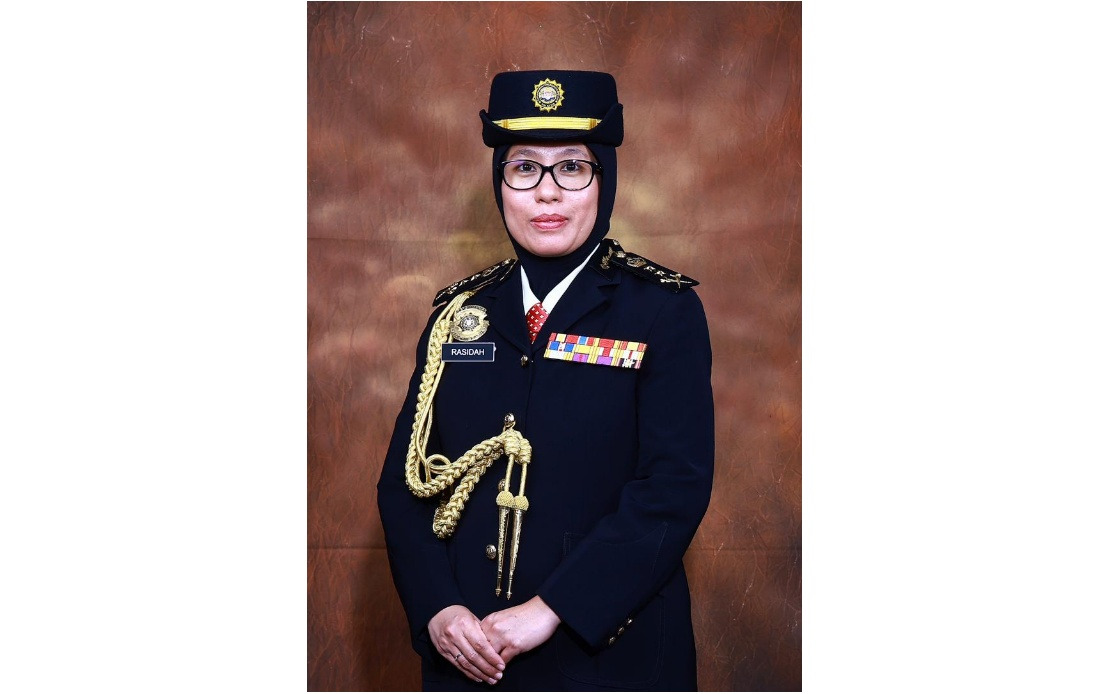
The inaugural event comes under the stewardship of MACC Chief Commissioner Datuk Seri Abd Halim Aman, who will officiate proceedings, while Datuk Rasidah Abdul Karim, director of the Policy, Planning and Research Division, has confirmed participation from enforcement bodies across the 11-member ASEAN bloc. Representatives from Brunei, Cambodia, Indonesia, Laos, Malaysia, Myanmar, the Philippines, Singapore, Thailand, Vietnam and Timor-Leste—the latter having only joined ASEAN-PAC last year—will send delegations to the Melaka venue. This inclusive attendance underscores the political commitment these nations have demonstrated toward harmonising anti-corruption standards across a region facing intensifying pressures from transnational financial crime and governance failures.
Beyond the core ASEAN delegations, the secretariat meeting will draw expertise from the International Association of Anti-Corruption Authorities, the United Nations Office on Drugs and Crime, the Organisation for Economic Co-operation and Development, the Asian Development Bank, and the Perdana International Anti-Corruption Champion Foundation. This constellation of international bodies reflects recognition that corruption transcends borders and requires multilayered institutional coordination. For Malaysia, hosting such gatherings demonstrates its positioning as a trusted intermediary between regional governments and global governance structures—a role that extends Malaysia's soft power influence even as domestic anti-corruption efforts continue facing scrutiny.
This particular gathering represents MACC's second major regional convening since assuming its ASEAN-PAC chairmanship, following the Principals Meeting held in October of last year. The progression from high-level political engagement to secretariat-level operational discussions reflects a deliberate escalation in the substance of regional collaboration. By moving from symbolic solidarity toward concrete working sessions, ASEAN-PAC is transitioning from declaration-focused forums toward institutions capable of generating actionable frameworks for member states to implement across their own jurisdictions.
The meeting agenda prioritises emerging corruption dynamics that threaten institutional integrity across Southeast Asia. Member agencies will exchange intelligence on evolving illicit schemes, comparative enforcement methodologies, and detection innovations that individual nations might lack capacity to develop independently. This knowledge-sharing mechanism becomes especially valuable for smaller economies or newer democracies where anti-corruption infrastructure remains nascent. Cambodia, Laos, and Myanmar, for instance, can benefit substantially from exposure to procedural standards and technological solutions deployed by more mature enforcement systems in Singapore, Thailand, and Indonesia.
Capacity building constitutes a second pillar of the gathering's strategic purpose. ASEAN economies exhibit significant variance in human resources, technological sophistication, and training infrastructure devoted to anti-corruption work. A coordinated regional approach enables knowledge transfer and institutional development that individual countries pursuing isolated initiatives cannot achieve. Training programmes, secondment arrangements, and shared investigative databases become feasible through multilateral frameworks like ASEAN-PAC, multiplying the effectiveness of limited national budgets allocated to enforcement agencies across the region.
A dedicated seminar examining integrity in major infrastructure projects will occupy a portion of the programme, addressing a sector where corruption vulnerabilities have generated substantial economic losses and public dissatisfaction across the region. Large-scale infrastructure development—particularly transportation networks, energy facilities, and urban expansion projects—attracts corrupt actors seeking procurement manipulation, cost inflation, and quality degradation. By convening specialists to dissect governance frameworks, risk mitigation strategies, and oversight mechanisms, ASEAN-PAC participants will collectively advance standards for transparency in this consequential sector. For Malaysia, where infrastructure investment remains central to economic policy, lessons distilled from this seminar carry direct applicability.
The structural arrangement of the Melaka meeting—integrating professional deliberation with cultural engagement—reflects an understanding that institutional cooperation strengthens through personal relationships and mutual understanding. The hospitality programme offering delegates exposure to Malaysian cultural heritage serves a purpose beyond tourism marketing; it facilitates the interpersonal connections through which trust develops among enforcement officials who must eventually coordinate across national boundaries during investigations and asset recovery operations. Such relationship-building investments often prove decisive when officials must navigate bureaucratic hurdles or share sensitive information with counterparts in neighbouring jurisdictions.
Malaysia's stewardship of the ASEAN-PAC chairmanship during 2025-26 signals the country's commitment to institutionalising anti-corruption cooperation at the regional level. This commitment carries implications beyond rhetorical gestures. By hosting major meetings and driving the forum's strategic agenda, Malaysia positions its own enforcement approaches as models for regional adoption and demonstrates accountability to neighbours and international partners regarding its seriousness about combating corruption. The correlation between hosting international governance bodies and enhancing domestic anti-corruption credibility remains asymmetrical, however—the visibility of regional leadership provides partial insulation from domestic criticism but cannot substitute for concrete results in prosecuting high-profile corruption cases within Malaysian jurisdiction.
The breadth of international participation at this secretariat meeting underscores ASEAN-PAC's evolution from a peripheral forum into a significant node within global anti-corruption governance architecture. The involvement of the OECD, ADB, UNODC, and IAACA reflects recognition that Southeast Asian enforcement agencies operate within international systems of financial regulation, development financing, and cross-border criminal investigation. These international bodies bring technical standards, comparative evidence, and financial resources that amplify the impact of regional cooperation. For Malaysian anti-corruption practitioners, exposure to OECD anti-bribery standards or ADB governance frameworks equips enforcement personnel with conceptual and operational tools derived from global best practices.
Looking beyond the Melaka gathering, the trajectory established through these escalating secretariat meetings suggests ASEAN-PAC is transitioning toward institutionalising its operations. Future meetings may generate binding protocols on evidence-sharing, establish coordinated investigation units, or create mutual legal assistance procedures tailored to the region's specific governance contexts. Such institutional deepening would represent a meaningful advance beyond the declaratory regionalism that has sometimes characterised ASEAN cooperation. The Malaysian Anti-Corruption Commission's leadership during this critical period carries responsibility for either accelerating or impeding this institutional evolution.
The meeting also reflects implicit acknowledgement that national boundaries insufficient constrain corruption in an era of globalised finance and supply chains. Sophisticated financial crimes, procurement fraud, and illicit capital flows routinely traverse multiple ASEAN borders, exploiting regulatory gaps and coordination failures among national authorities. A functioning ASEAN-PAC framework capable of generating real-time intelligence sharing and harmonised enforcement approaches represents perhaps the only viable counterweight to the sophistication of transnational corruption networks. For Malaysia, participating constructively in advancing such mechanisms serves genuine national security interests beyond merely polishing international reputation.

