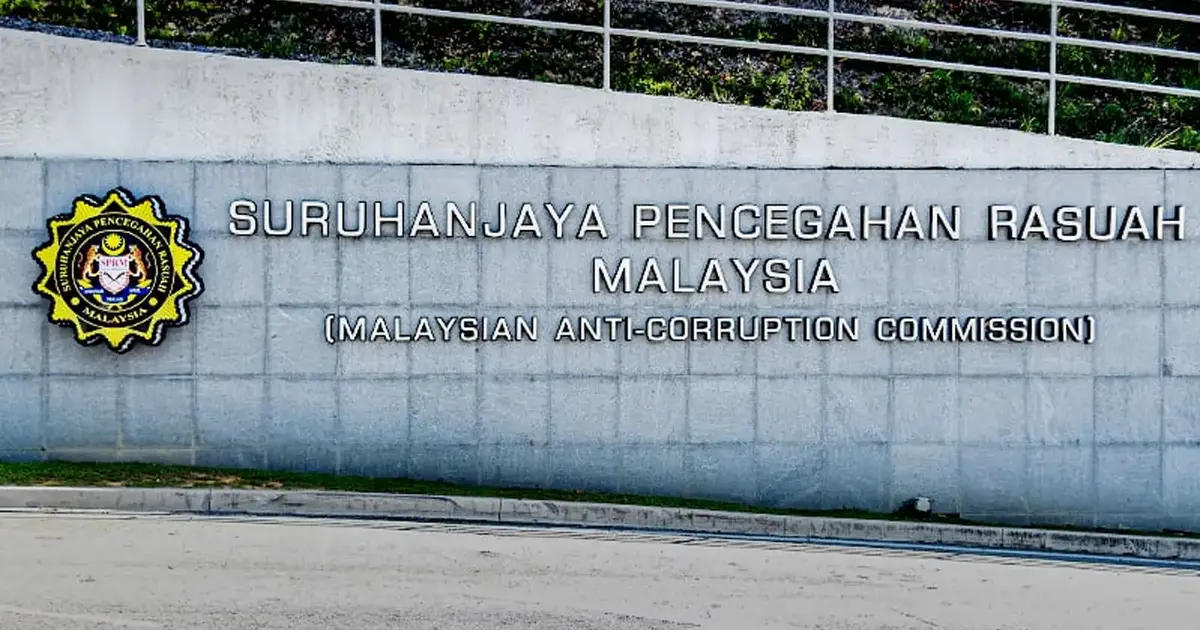
The Malaysian Anti-Corruption Commission (MACC) is moving ahead with criminal proceedings against 13 company owners whose cases stem from a widening investigation into misconduct within the Daya Kerjaya 2.0 programme. The court appearance tomorrow marks a significant step in the agency's crackdown on parties allegedly involved in irregularities connected to the government's employment and training initiative, signalling intensified enforcement action in the lead-up to what analysts expect will be heightened scrutiny of public assistance programmes.
The Daya Kerjaya 2.0 scheme, a flagship government intervention designed to boost workforce participation and skills development, has become the focal point of a major corruption probe. The programme aims to support job creation and worker capability building, but the emergence of procedural violations has raised questions about programme oversight and the adequacy of internal controls. These irregularities, once flagged by MACC investigators, prompted a wider examination of how disbursement decisions were made and whether proper vetting procedures were followed throughout the scheme's implementation.
The nature of the alleged breaches remains a matter of significant public interest, given the scale of government investment in employment programmes and the political sensitivity surrounding such initiatives. Typically, irregularities in government funding schemes involve misrepresentation of eligibility criteria, falsification of supporting documentation, or undisclosed conflicts of interest among beneficiaries. The fact that MACC has identified systematic enough violations to warrant prosecution of 13 separate entities suggests the investigation uncovered patterns rather than isolated incidents, which could indicate deeper governance gaps within programme administration.
For Malaysian readers and businesses, this development carries implications for how government support schemes are managed and monitored going forward. Companies participating in or seeking to benefit from future government employment and training initiatives should expect heightened due diligence requirements and closer scrutiny of applications. The MACC action also serves as a reminder that participation in government programmes carries legal obligations, and failure to comply with stipulated conditions can trigger criminal liability regardless of company size or sector.
The timing of these prosecutions reflects the MACC's broader institutional priority to address corruption in social and economic support systems. Employment schemes occupy a particular place in public consciousness because they directly affect individual livelihoods and government budgetary allocation. When such programmes become vehicles for irregular practices, they erode public confidence in government institutions and distort market competition by allowing fraudulent operators to gain unfair advantages over compliant businesses.
From a Southeast Asian perspective, this case also illustrates the challenges faced by regional governments in maintaining integrity within large-scale employment initiatives. As countries across the region implement similar workforce development programmes to address skill gaps and unemployment, the Malaysian experience offers lessons about the importance of independent oversight, clear audit trails, and proportionate enforcement action. The MACC's willingness to pursue criminal cases demonstrates institutional independence and a commitment to ensuring that public resources reach intended beneficiaries.
The court proceedings will likely reveal further details about how the irregularities were discovered, what mechanisms were circumvented, and what safeguards proved inadequate. These details will be crucial for policymakers assessing whether the Daya Kerjaya 2.0 architecture requires structural reforms or whether the violations reflected isolated bad faith by particular operators. The distinction matters considerably for programme legitimacy and future participant confidence.
Business chambers and employer associations may also pay close attention to these cases, as they could influence how companies approach engagement with government schemes. If the irregularities involved inflated claims about training delivery, false job creation numbers, or misuse of subsidy funds, then future compliance standards may become considerably more stringent. Companies should anticipate that documentation requirements may expand and that verification protocols will likely tighten across government support initiatives.
The prosecution of 13 company owners also sends a deterrent signal within Malaysia's business community. White-collar offences involving government programmes carry both criminal penalties and reputational consequences that can extend to senior management and corporate directors. Individuals found culpable may face imprisonment, financial penalties, and potential disqualification from future government contracting, making the personal stakes substantial for business leadership.
Longer term, the MACC action could catalyse discussion among policymakers about whether Daya Kerjaya 2.0 and comparable initiatives require legislative amendments, enhanced governance frameworks, or restructured administration. Public accountability mechanisms may be strengthened, and independent evaluation functions could be expanded to detect irregularities more swiftly. These institutional adjustments, while sometimes administratively burdensome, ultimately serve to protect programme integrity and public resources.
As the cases proceed through the courts, Malaysian stakeholders will monitor not only the outcomes but also the sentences imposed and any pattern of leniency or severity in judicial treatment. Sentencing decisions will communicate clearly to the business community about the cost of non-compliance with government programme requirements, helping calibrate future incentive structures for honest participation.

