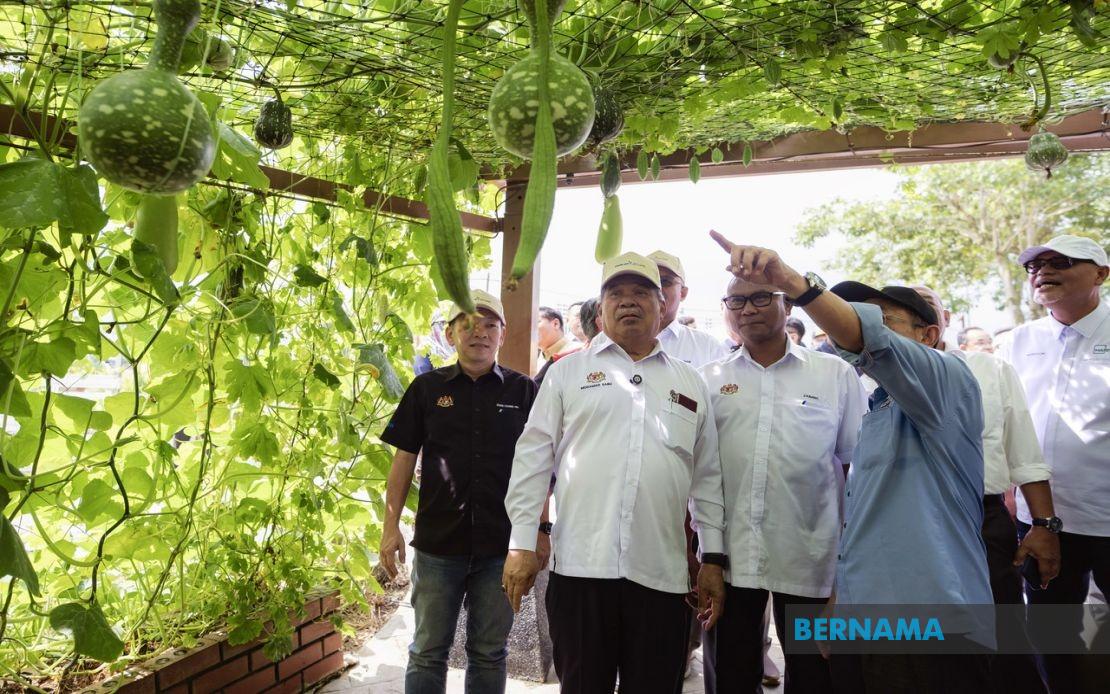
The Malaysia Agriculture, Horticulture and Agrotourism Exhibition 2026 is moving into its final preparation phase, with Agriculture and Food Security Minister Datuk Seri Mohamad Sabu confirming that work at the Malaysia Agro Exposition Park Serdang has reached approximately 80 per cent completion. The exhibition, running from Aug 28 to Sept 6, is expected to be entirely ready by Aug 27, one day before it opens its gates to the public. The timeline suggests a well-coordinated effort to ensure everything is in place for what promises to be a significant showcase of the nation's agricultural sector.
The core infrastructure at MAEPS has already been finalised, leaving the remaining work to focus primarily on fine-tuning exhibition spaces and positioning individual displays and equipment. This phased approach to completion is typical for events of MAHA's scale, allowing organisers to address any last-minute adjustments while maintaining quality standards. The minister's confidence in the Aug 27 deadline indicates that project management has remained on track despite the complexities involved in coordinating multiple exhibition areas and international pavilions.
Under the theme 'Penciptaan Nilai Demi Keterjaminan Makanan' (Value Creation for Food Security), MAHA 2026 will emphasise the modernisation of Malaysia's agricultural practices through cutting-edge technology and innovation. The exhibition will feature advanced agricultural machinery, automated vehicles, and drones being used in contemporary farming operations. These technologies reflect global agricultural practices already established in countries such as China and the Netherlands, where mechanisation and precision farming have become standard. For Malaysian farmers and agribusiness operators, exposure to such innovations could prove instrumental in understanding how to elevate productivity and competitiveness.
A distinctive focus of this year's exhibition is the agricultural value chain, a concept that extends beyond primary production to encompass downstream processing and product development. Rather than farmers simply growing raw materials, the exhibition emphasises the importance of entrepreneurs capturing higher profit margins through value-added activities. Products such as milk, pineapple, and cassava demonstrate this potential—these commodities can be transformed into numerous finished goods, from dairy products to processed foods and industrial inputs. For smallholder farmers in particular, understanding and accessing these value-chain opportunities could represent a pathway to increased income and market stability.
The international dimension of MAHA 2026 adds significant weight to its broader objectives. The exhibition will attract approximately 2,000 exhibitors, with participants from 14 countries establishing pavilions and showcasing their own agricultural capabilities. Kenya's inclusion as a first-time pavilion participant reflects the exhibition's expanding reach into new markets and agricultural partnerships. This international engagement creates opportunities for cross-border technology transfer, joint ventures, and exploration of new export markets—benefits that extend beyond the exhibition itself into longer-term economic cooperation.
Minister Mohamad's emphasis on attracting youth participation underscores recognition that agricultural modernisation depends on generational change. The ministry expects around 800,000 young visitors to engage with the exhibition's technology and automation programmes. Furthermore, discussions with the Education Ministry aim to integrate MAHA into school curricula through co-curricular activities, potentially exposing students to career pathways in agricultural innovation before they enter the workforce. This educational angle could help address labour shortages in the agritech sector and foster a culture of innovation among young Malaysians.
Perkampungan Abang Mat, a village-style feature within the exhibition, will serve a complementary purpose by celebrating Malaysia's agricultural heritage and food traditions. Daily rotating programmes showcasing 'rewang' (communal cooking), traditional cuisine, and cultural games such as congkak will provide visitors with both entertainment and cultural immersion. This blend of contemporary innovation and traditional practice reflects a balanced approach to agricultural development—one that preserves cultural identity whilst embracing modernisation. For families and elderly visitors especially, these activities offer accessible and enriching experiences.
The visitor experience extends to structured entertainment and incentive programmes. Daily lucky draws offering motorcycles and electrical appliances are designed to enhance engagement and create memorable reasons for attendance. Across the ten-day event, the exhibition expects to welcome more than four million visitors, making it one of the country's significant annual gatherings. Such numbers generate substantial economic impact for the surrounding region, driving spending on accommodation, food, transport, and related services throughout Serdang and greater Selangor.
The exhibition's timing and promotional strategy suggest organisers are positioning MAHA 2026 as a must-visit event for farmers, agribusiness operators, students, policymakers, and the general public. The decision to have Agriculture Minister Mohamad officiate the opening and Prime Minister Datuk Seri Anwar Ibrahim oversee the closing ceremony signals the government's commitment to agricultural transformation as a priority agenda. This high-level political endorsement reinforces the exhibition's importance in national food security and rural economic development strategies.
For Malaysian agriculture stakeholders, MAHA 2026 represents a critical gathering point for understanding emerging trends, accessing new technologies, and building networks across the sector. The combination of domestic exhibitors and international participants creates an environment where knowledge exchange flows in multiple directions. Local farmers can learn from global practices, whilst international buyers and partners can identify opportunities within Malaysia's agricultural ecosystem. The ripple effects of such interaction often extend well beyond the exhibition dates, influencing investment decisions and business partnerships throughout the year ahead.
The comprehensive nature of MAHA 2026—spanning infrastructure display, value-chain education, cultural celebration, youth engagement, and international cooperation—reflects an evolving understanding of agricultural exhibitions as multi-dimensional platforms. Rather than serving merely as trade shows, modern agricultural expos function as policy showcase spaces, educational venues, cultural celebrations, and networking hubs simultaneously. This integrated approach increases relevance across diverse audience segments and amplifies the exhibition's contribution to broader agricultural and rural development objectives.

