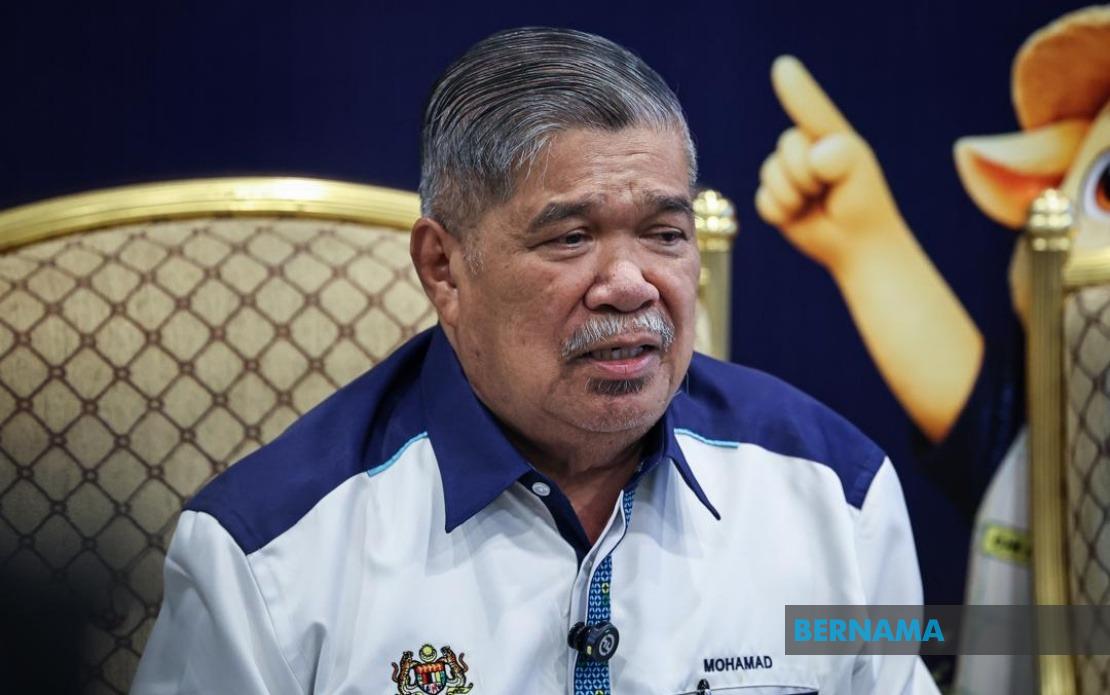
The Malaysia Agriculture, Horticulture and Agrotourism Show (MAHA) 2026 kicked off with a significant turnout yesterday, drawing 140,000 visitors on its opening day despite challenging environmental conditions. As the nine-day event settles in at the Malaysia Agro Exposition Park Serdang (MAEPS), authorities are taking health precautions seriously, with Agriculture and Food Security Minister Datuk Seri Mohamad Sabu publicly recommending that visitors wear face masks as a safeguard against the prevailing haze and scorching temperatures affecting the region.
The advisory comes at a strategically sensitive time for the event's attendance patterns. With school holidays commencing on the day of the minister's announcement, organisers anticipate substantially higher foot traffic throughout the following weeks. Weekend crowds are also expected to swell considerably, potentially straining both crowd management systems and air quality monitoring at the sprawling venue. The minister's emphasis on health protection reflects growing concerns about air quality during Malaysia's periodic haze episodes, which often coincide with the latter months of the year as atmospheric conditions trap particulate matter over the region.
Mohamad underscored that the mask recommendation addresses a dual environmental challenge facing attendees. The combination of hazardous air quality and oppressive heat creates a particularly taxing scenario for visitors who may spend extended periods outdoors exploring the 2,000 exhibitor booths spread across MAEPS. Families with children, elderly attendees, and individuals with pre-existing respiratory conditions face heightened risk during such conditions. By encouraging protective measures early in the event cycle, the ministry signals its commitment to maintaining public health standards even as it actively promotes agricultural sector visibility and tourism.
The scale of MAHA 2026 underscores the significance of this health advisory for a broader audience. Running through September 6, the exhibition has set an ambitious target of attracting more than four million visitors across its duration. The presence of approximately 2,000 exhibitors—spanning agribusiness, horticulture, and rural tourism sectors—creates a comprehensive showcase of Malaysia's agricultural prowess and innovation. This concentration of industry stakeholders and public participation makes the venue a crucial barometer for consumer engagement with domestic agricultural products and services.
Deputy Agriculture and Food Security Minister Datuk Chan Foong Hin and the ministry's Secretary-General Datuk Seri Isham Ishak attended the official opening ceremony, signalling high-level government commitment to the event's success. Their presence alongside Mohamad indicates that the advisory on face masks and health precautions represents an institutionalised response rather than an isolated suggestion. The ministry's proactive stance in addressing environmental health challenges demonstrates awareness of evolving public expectations regarding government responsibility for citizen welfare at large public gatherings.
Beyond the health advisory, MAHA 2026 carries thematic significance that resonates with Malaysia's broader policy agenda. Organised under the tagline "Penciptaan Nilai Demi Keterjaminan Makanan"—translating to value creation for food security assurance—the event reflects the government's emphasis on bolstering domestic agricultural capacity. Food security has emerged as a regional and global priority, particularly following supply chain disruptions and rising commodity prices. Malaysia's positioning of agricultural tourism and horticultural innovation as economic drivers indicates strategic thinking about rural development and sustainable livelihoods.
The event's timing introduces another layer of consideration for visitor planning. The back-to-school season typically sees families seeking recreational activities that combine education with leisure. Agricultural expos like MAHA 2026 serve this dual purpose, allowing children to learn about food production, farming practices, and agribusiness while parents explore technological innovations and market opportunities. However, environmental conditions during this period can undermine these educational objectives if air quality deteriorates significantly. The ministry's mask advisory acknowledges this tension and seeks to preserve the event's value proposition despite atmospheric challenges.
Mohamad's invitation for the public to participate in the Merdeka Eve celebration at MAEPS demonstrates how the venue has become central to national commemorations as well as agricultural promotion. The planned drone and fireworks displays scheduled for 11:30 pm will add entertainment value and patriotic resonance to the overall visitor experience. Integrating national celebrations into MAHA 2026's calendar extends the event's appeal beyond agricultural stakeholders to encompass broader segments of the Malaysian public seeking Independence Day festivities.
From a regional perspective, the haze and heat conditions affecting Malaysia reflect broader Southeast Asian environmental patterns. Indonesia's transboundary haze episodes periodically impact air quality across neighbouring countries, including Malaysia, Singapore, and Brunei. The timing of MAHA 2026 in late August and early September coincides with a seasonal window when atmospheric conditions can deteriorate. Agricultural events and major public gatherings scheduled during this period must contend with these environmental uncertainties. Malaysia's experience with haze management provides lessons for other Southeast Asian nations organising large-scale public events during similarly challenging atmospheric conditions.
The 140,000 opening-day attendance figure establishes a strong baseline for the event's overall success trajectory. If this pace continues even partially through the nine-day run, the four-million-visitor target appears achievable. However, visitor experience quality remains contingent on management of environmental challenges. The ministry's health advisory, while well-intentioned, represents a reactive rather than preventive approach. Future iterations of MAHA and similar large-scale outdoor events may benefit from more comprehensive environmental mitigation strategies, including air quality monitoring infrastructure, shaded rest areas with enhanced ventilation, and real-time advisories calibrated to specific air quality indices.
For Malaysian agricultural stakeholders and agribusiness representatives, MAHA 2026 represents a critical platform for market engagement and innovation showcase. The presence of 2,000 exhibitors reflects confidence in the event's drawing power and consumer interest in agricultural products and services. Despite environmental headwinds, both exhibitors and visitors have demonstrated commitment to participation. This resilience underscores the event's significance within Malaysia's agricultural calendar and its role in connecting producers with consumers, investors, and policymakers. The ministry's transparent communication about health precautions may actually enhance public confidence by demonstrating proactive governance rather than obscuring or minimising environmental concerns.

