Malaysia Airports Holdings Bhd (MAHB) has pledged sustained cooperation with law enforcement and regulatory bodies to prevent illegal activities at the country's aviation hubs, responding to the recent detention of a Malaysian pilot in Indonesia on charges related to drug trafficking. The airport operator's statement underscores the complex interplay between aviation security responsibilities and criminal investigation mandates that govern Malaysia's international gateways, particularly Kuala Lumpur International Airport (KLIA).
The 39-year-old pilot was apprehended on July 29 following his arrival in Indonesia, where authorities discovered approximately 70,114 ecstasy pills and four grammes of methamphetamine valued at around Rp60 billion. Indonesian investigators have indicated preliminary findings suggest the suspect may have engaged in multiple smuggling operations and potentially maintains connections to a broader international narcotics syndicate. The incident has prompted scrutiny of security procedures across the aviation supply chain, from ground operations to international border crossings.
MAHB's clarification of its operational role reveals the division of labour among multiple agencies managing airport security in Malaysia. The airport operator's Aviation Security (AVSEC) team concentrates specifically on threats to aviation safety—explosives, weapons, and dangerous items that could compromise flights. This specialised focus distinguishes AVSEC's mandate from the broader law enforcement responsibilities assigned to other entities. The distinction is important for understanding how drug trafficking cases are handled differently depending on whether substances pose immediate aviation hazards.
The detection and prosecution of drug-related offences falls squarely within the jurisdiction of the Royal Malaysia Police (PDRM) and the Royal Malaysia Customs Department. These agencies maintain dedicated units at KLIA and operate under their respective legal frameworks to investigate narcotics smuggling. MAHB's role in these operations is fundamentally supportive—providing facility access, operational cooperation, and intelligence sharing rather than investigative or enforcement authority. This compartmentalisation ensures that specialised law enforcement expertise addresses complex smuggling networks.
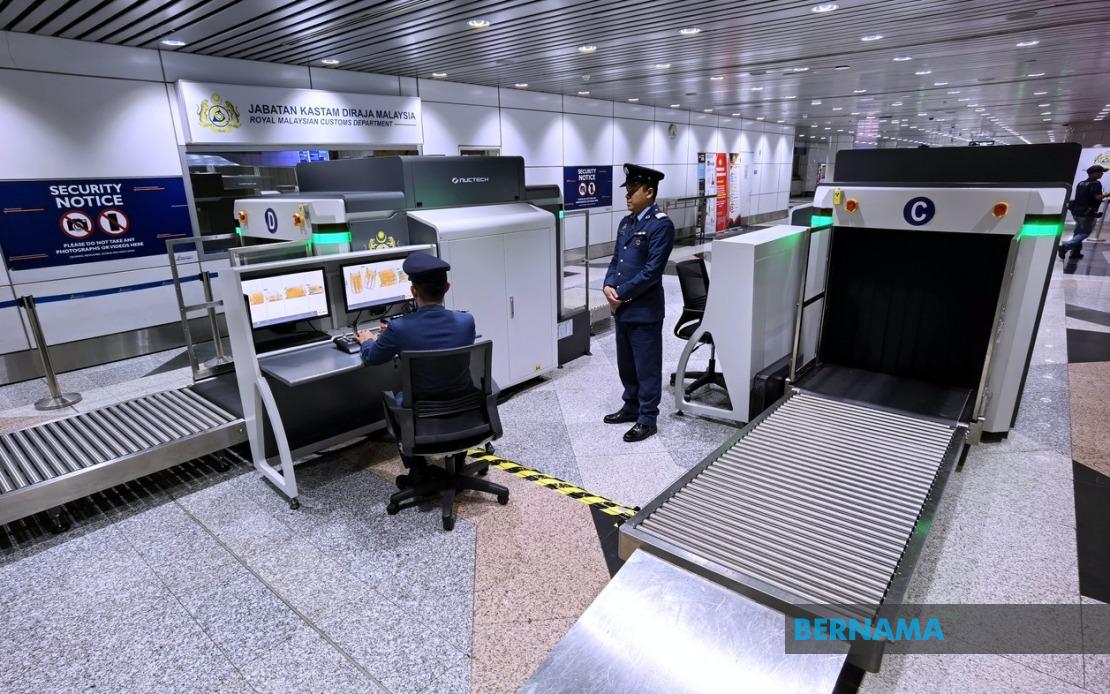
The baggage handling infrastructure at KLIA reflects security priorities established through aviation regulations. All checked baggage, whether for passengers or crew members, undergoes mandatory aviation security screening before departure. These protocols are calibrated to detect items that endanger aircraft safety rather than to identify contraband substances. The screening systems deployed represent significant technological investment but operate within defined parameters focused on aviation-specific threats, creating inherent limitations regarding substance detection.
Statistics released by MAHB demonstrate the operational intensity of drug interdiction at Malaysia's primary international airport. Between January and July 2024, AVSEC collaboration with PDRM successfully intercepted more than 30 smuggling attempts involving illegal substances through KLIA. This figure indicates both the prevalence of trafficking activity through the facility and the effectiveness of existing interagency coordination. However, the incident involving the pilot suggests that determined smugglers occasionally circumvent detection measures, necessitating continuous procedural refinement.
The Civil Aviation Authority of Malaysia (CAAM) has initiated a parallel investigation examining whether aviation security protocols were properly implemented throughout the incident. Chief executive officer Datuk Capt Norazman Mahmud indicated that the assessment encompasses both the airline's adherence to security requirements and MAHB's screening effectiveness. This regulatory review represents standard procedure following high-profile cases and seeks to identify systemic vulnerabilities that might enable future incidents. The findings may result in procedural modifications affecting crew screening, baggage handling, or pre-flight documentation requirements.
The pilot's case raises particular concerns because crew members often enjoy expedited processing relative to passengers, potentially creating security gaps. Airline staff typically undergo background vetting during employment but may not be subject to the same level of screening scrutiny as general travellers. The incident suggests that initial suspicions about the pilot's previous smuggling activities did not trigger flags within existing airline personnel vetting systems. Indonesian investigators' assertion that the suspect may have conducted multiple prior operations indicates a sophisticated operation that evaded detection despite repeated transits through KLIA.
The apparent connection to an international drug trafficking network underscores how Malaysian aviation infrastructure intersects with transnational criminal operations. Southeast Asia's geographic position along major trafficking routes means that major airports like KLIA serve as critical chokepoints where international narcotics flow through regional hubs. The quality of security measures at Malaysian facilities therefore affects not only domestic enforcement but also regional and international drug interdiction efforts. Strengthening coordination with foreign law enforcement agencies becomes essential when trafficking networks operate across multiple jurisdictions.
MAHB's commitment to supporting PDRM, the Customs Department, and other agencies reflects recognition that airport operators cannot unilaterally address complex criminal challenges. The private sector's role involves providing infrastructure, implementing security technologies, and facilitating inter-agency information exchange rather than assuming investigative functions. However, the case demonstrates that proactive intelligence gathering and staff awareness among airport employees can enhance detection capabilities beyond formal screening systems. Training programmes that encourage reporting of suspicious activities by ground crews and terminal staff add another layer to the security framework.
The incident occurs amid broader regional concerns about drug trafficking through Southeast Asian airports. Several countries in the region have experienced high-profile cases involving crew members and aviation professionals implicated in smuggling operations. The accessibility of crew-only areas, reduced passenger-style screening, and frequent international travel make aviation professionals potentially attractive to trafficking organisations. Malaysian authorities face the challenge of enhancing security without imposing operational burdens that compromise efficiency at a major international hub handling millions of annual passengers.
Moving forward, the case will likely influence aviation security policy discussions within Malaysia's regulatory framework. CAAM's investigation may result in enhanced vetting procedures for airline personnel, modified crew baggage screening protocols, or improved information-sharing mechanisms between MAHB, airlines, and law enforcement. International cooperation with Indonesian and other regional authorities may also deepen, particularly regarding intelligence about trafficking networks operating across borders. The balance between security imperatives and operational efficiency will remain a central consideration as policymakers evaluate recommendations emerging from the regulatory review.

