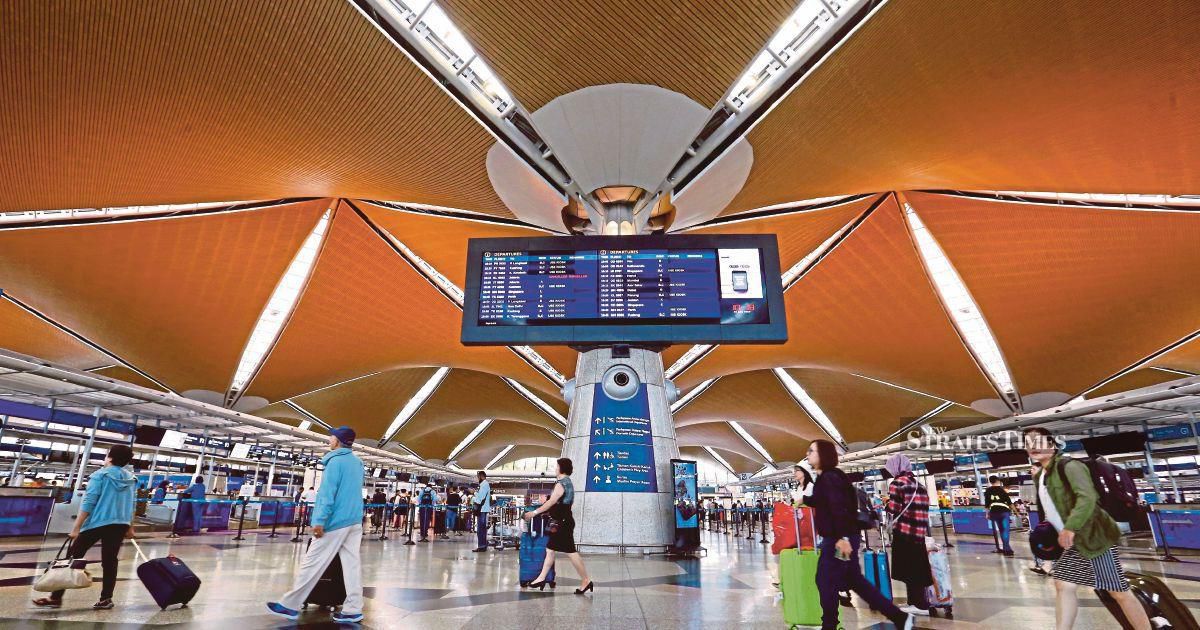
Malaysia Airports Holdings Bhd (MAHB) acknowledged on Friday that a technical malfunction had disrupted baggage operations at Kuala Lumpur International Airport's Terminal 1, one of the country's busiest aviation hubs, though the operator confirmed that normal functioning had been restored by the early evening.
The incident underscores the critical importance of automated baggage systems to airport operations in Malaysia, where KLIA handles tens of thousands of passengers daily across multiple terminals. Any breakdown in these systems creates immediate cascading effects, from delayed flight departures to congestion in check-in areas and potential missed connections for transfer passengers. For business and leisure travellers routing through Southeast Asia's premier air hub, even short disruptions can disrupt carefully timed itineraries.
Terminal 1 at KLIA, which underwent significant modernisation in recent years, relies on sophisticated conveyor networks and automated sorting systems to manage the volume of baggage across dozens of airlines and routes. The technical nature of the fault remained unspecified in MAHB's statement, though such issues typically stem from sensor failures, software glitches, or mechanical breakdowns in the sorting mechanisms that direct luggage to appropriate aircraft stands.
The timing of the disruption—occurring during afternoon operations—would have coincided with peak travel periods when multiple flights stage simultaneous boarding cycles. Airlines operating from Terminal 1 during the window would have needed to implement contingency protocols, potentially handling baggage manually or rerouting it through backup systems to meet departure schedules. Ground handling agents faced the delicate task of processing passenger luggage without automated assistance while maintaining service standards.
For Malaysian travellers and the broader aviation community, such incidents highlight the vulnerability of infrastructure-dependent operations to technical failure. While MAHB's rapid resolution suggests competent engineering oversight and troubleshooting procedures, the episode raises questions about redundancy and failsafe mechanisms embedded in critical airport systems. Regional airports increasingly compete to maintain reliability standards that attract international carriers and premium passengers.
The resolution by 5.30pm indicated that technicians either rectified an underlying mechanical problem or restored system functionality through software intervention. MAHB's ability to contain the disruption suggests that contingency measures prevented the kind of cascading delays that might otherwise ripple across the day's flight schedule. Airlines would have appreciated the relatively contained impact, though some passengers on affected services likely experienced processing delays or uncertainty.
This incident serves as a reminder of the operational complexity underlying seemingly seamless airport experiences. Behind check-in counters and security queues operate dozens of integrated systems—baggage handling, flight information displays, border control infrastructure, and cargo management networks—all dependent on reliable technology. When any single component malfunctions, passenger experience deteriorates rapidly, yet the general public rarely witnesses the technical coordination required to restore normalcy.
For MAHB and other major airport operators across Southeast Asia, investment in system redundancy and predictive maintenance represents an ongoing challenge. Ageing infrastructure at some regional airports contrasts with state-of-the-art installations at newer facilities, creating performance disparities. KLIA's position as Malaysia's international aviation gateway means that reliability lapses generate disproportionate reputational impact and affect national competitiveness in air transport markets.
The confirmation of the technical issue and its resolution demonstrate transparency in airport operator communications, though travellers would benefit from real-time notifications during such disruptions. Digital-savvy passengers increasingly expect immediate updates via airport apps and airline channels when operational anomalies occur. MAHB's communication strategy reflects evolving expectations around service transparency in an era where delayed information itself constitutes poor customer service.
Moving forward, the incident likely prompts internal reviews within MAHB's technical operations division to identify systemic vulnerabilities and strengthen preventive measures. Regular equipment audits, software updates, and staff training for emergency protocols form the foundation of reliable airport infrastructure. As Malaysian aviation continues to grow, with passenger volumes expected to expand significantly over the coming decade, maintaining robust baggage systems becomes increasingly critical to preserving service quality and operational credibility.

