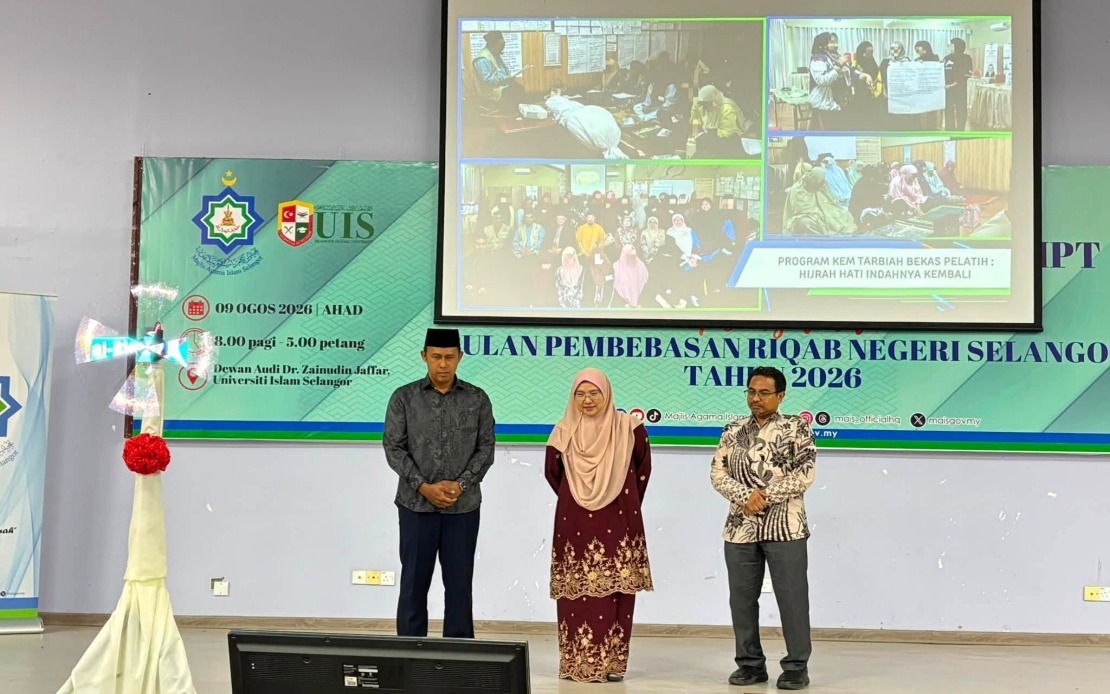
The Selangor Islamic Religious Council (MAIS) has deployed over RM17 million in zakat distribution to support 13,945 individuals classified as asnaf riqab during the previous financial year, representing a substantial commitment to addressing complex social welfare issues within the Muslim community in Selangor. The funds were channelled toward rehabilitation programmes, professional counselling, and welfare support delivered through an extensive network of facilities operated or coordinated by the council, signalling how Islamic charitable mechanisms remain integral to managing vulnerable populations across Malaysia's most populous state.
The asnaf riqab classification encompasses individuals confronting multifaceted challenges that often intersect social dysfunction with religious and moral concerns. As defined through a 2012 fatwa, this category includes those struggling with substance abuse, individuals navigating LGBT issues within an Islamic framework, and Muslims whose practice of faith has fundamentally diverged from orthodox teachings. This broad definition reflects how Islamic religious authorities in Malaysia approach social welfare through a lens that integrates rehabilitation with theological guidance, treating what might conventionally be regarded purely as social problems as fundamentally connected to spiritual wellbeing and community responsibility.
MAIS's operational response demonstrates the scale at which religious institutions attempt to tackle these interconnected problems. The council administers three dedicated rehabilitation homes alongside 24 additional riqab rehabilitation facilities, creating an infrastructure designed specifically to provide not merely shelter or treatment, but integrated pathways combining therapeutic intervention with religious mentorship. The distribution of nearly RM17 million across this network indicates the substantial operational costs associated with maintaining residential facilities, staffing counselling services, and delivering sustained follow-up support to individuals throughout their rehabilitation journey.
The council's performance during the first half of 2024 provides insight into the ongoing implementation of this strategy. Between January and June, MAIS assisted 1,656 asnaf riqab individuals using RM4.1 million in zakat allocations, suggesting an annualized projection potentially exceeding RM8 million for the calendar year. This mid-year pace indicates accelerating demand or expanded outreach capacity compared to the previous full-year figures, raising questions about whether social challenges among this vulnerable population are intensifying or whether MAIS has enhanced its identification and engagement mechanisms.
A particularly notable development is MAIS's recruitment of 213 Al Riqab guides tasked specifically with accompanying vulnerable individuals through their rehabilitation and reintegration processes. These guides function as field-level implementers of the council's holistic support model, representing a significant human resource investment that extends far beyond conventional administrative structures. Their appointment suggests recognition that sustainable outcomes require sustained personal relationship-building and mentorship rather than purely institutional or programmatic interventions alone.
The broader context for MAIS's welfare activities involves understanding how Malaysian Islamic institutions have evolved their social service functions. Historically, zakat distribution focused on poverty alleviation among the economically disadvantaged. Contemporary approaches, exemplified by MAIS's asnaf riqab initiatives, have expanded significantly to encompass rehabilitation, behavioral modification, and faith-strengthening objectives. This evolution reflects both growing recognition of complex social needs and debate within Islamic circles regarding the appropriate scope of religious institutions' responsibilities in addressing societal dysfunction.
The announcement of the Riqab Liberation Month Campaign 2026, scheduled for August, represents MAIS's strategic communication effort to normalize discussion around these sensitive issues and encourage stakeholder engagement. The campaign encompasses forums, seminars, informational outreach, and awareness activities designed to shift public perception and reduce stigma associated with individuals undergoing rehabilitation. For Malaysian society, particularly in Selangor where ethnic and religious demographics create specific social dynamics, such public engagement carries implications for community attitudes toward rehabilitation, religious rehabilitation, and social reintegration.
From a resource allocation perspective, MAIS's investment merits examination within the broader context of Malaysia's social welfare infrastructure. The reliance on zakat distribution—a charitable mechanism rather than systematic taxation-based provision—creates dependency on community compliance with Islamic tithing obligations and administrative efficiency. This contrasts with comprehensive government welfare systems common in developed economies, raising questions about sustainability and coverage when applied to vulnerable populations requiring intensive, ongoing support services.
The implications for Malaysian policymakers and other state Islamic councils extend beyond Selangor's immediate context. MAIS's experience suggests both the capacity and limitations of Islamic charitable mechanisms in addressing contemporary social challenges. If similar needs exist across other Malaysian states, they likely lack comparable funding or infrastructure, creating potential inequities in service provision. Conversely, MAIS's institutional innovation in deploying religious charitable funds toward rehabilitation and mentorship offers a model potentially adaptable elsewhere, though requiring substantial capital investment and sustained governance capacity.
The challenge of defining and serving asnaf riqab populations also illuminates ongoing tensions within Malaysian Islamic governance regarding how religious authorities balance compassion and rehabilitation against concerns about moral standards and religious adherence. The 2012 fatwa definition deliberately encompasses diverse conditions—from addiction to sexual orientation to faith deviation—under one administrative category, reflecting theological positions but also practical acknowledgment that individuals facing such challenges often require similar rehabilitative infrastructure regardless of the specific nature of their difficulty.
Looking forward, MAIS's capacity to sustain and expand these programmes depends on consistent zakat revenue, effective programme outcomes demonstrating rehabilitative success, and community acceptance of the underlying theological and social premises. The council's commitment to transparency through social media updates and official reporting suggests confidence in programme legitimacy, though actual outcome measurements regarding reintegration success rates and long-term stability of supported individuals remain opaque to public scrutiny, a common characteristic of religious welfare institutions across the region.

