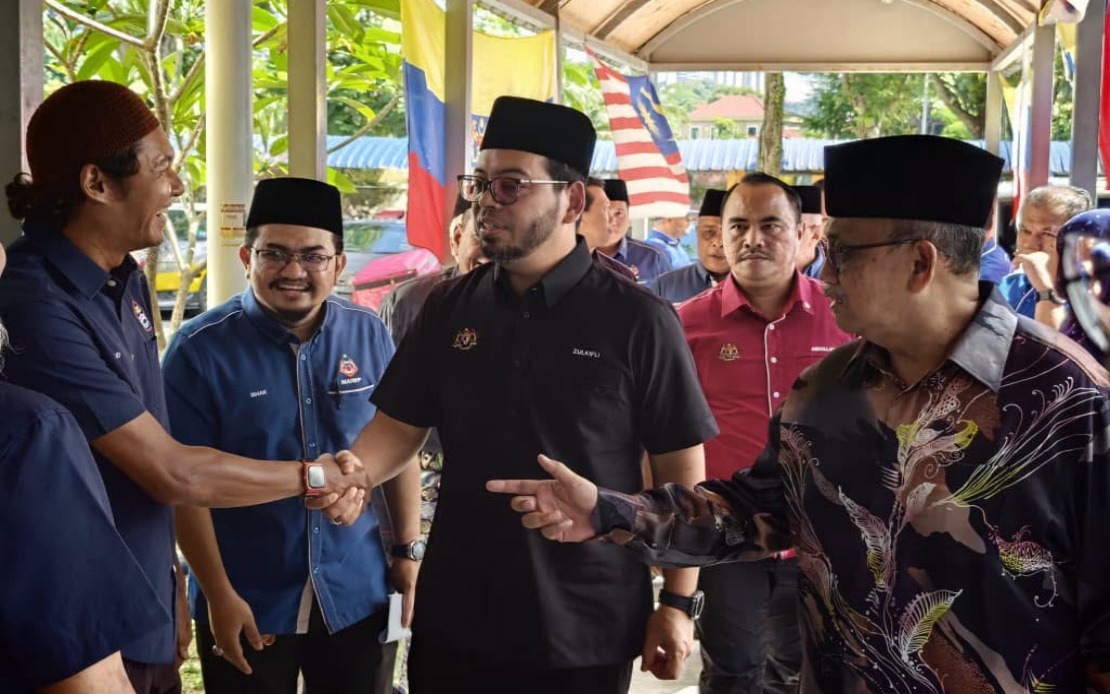
The Federal Territories Islamic Religious Council (MAIWP) has taken a significant step forward in modernising its zakat distribution infrastructure with the inauguration of the Zakat Distribution Centre, known locally as PAZA Batu, located at Jalan Pelangi 10 in Taman Pelangi. This strategic expansion reflects the council's commitment to reaching beneficiaries more effectively across the federal territories and demonstrates a growing recognition that proximity and convenience are essential factors in ensuring vulnerable populations can access welfare support without unnecessary bureaucratic friction.
According to Senator Dr Zulkifli Hasan, the Minister in the Prime Minister's Department responsible for Religious Affairs, the newly opened facility represents more than a conventional administrative counter for processing applications and distributing funds. Instead, the centre has been envisioned as a comprehensive community hub where residents can access a diverse array of services while simultaneously engaging in broader social development initiatives tailored to their specific needs. This multifaceted approach acknowledges that effective welfare delivery extends beyond the simple transfer of money to include education, skill-building, and psychosocial support that empowers individuals to achieve long-term self-sufficiency.
The timing of this expansion comes as MAIWP continues to demonstrate substantial fiscal commitment to zakat beneficiaries throughout the federal territories. As of mid-June, the council had channelled RM505.6 million through its zakat funds across 38 distinct assistance schemes and human capital development programmes. This figure underscores the growing significance of zakat as a social safety net within Malaysia's Islamic institutional framework and highlights the increasing administrative complexity involved in managing such large-scale distribution networks across multiple constituencies and demographic segments.
For Malaysian observers, the PAZA Batu initiative carries particular relevance given ongoing discussions about the efficiency of welfare delivery mechanisms in urban centres. Kuala Lumpur and its surrounding federal territories house diverse populations with varying income levels and social circumstances, and the proliferation of dedicated distribution centres can substantially reduce barriers to assistance access. By situating the facility within a residential neighbourhood rather than centralising all operations at a single headquarters location, MAIWP acknowledges the practical challenges faced by lower-income households who may lack transportation resources or flexible working schedules.
The opening ceremony itself incorporated tangible immediate relief measures, with 50 food baskets valued at RM100 each distributed to families in the immediate vicinity. This direct distribution mechanism served both humanitarian and symbolic purposes, demonstrating concrete commitment while also building awareness among residents that support services are now more proximate and accessible. The decision to target recipients within the Pekan Batu People's Housing Scheme, a medium-cost public housing development, reflects strategic focus on areas where concentrations of moderate-income families face regular financial pressures.
Beyond the initial food basket distribution, MAIWP organised courtesy visits through its "Ziarah Kasih" programme, which involves council representatives making home visits to zakat recipients within the Batu parliamentary constituency. This personal engagement approach contrasts sharply with purely transactional models of welfare administration and recognises that many beneficiaries face complex circumstances that may not be fully captured in formal application documents. Direct interaction enables case workers to identify additional needs, provide counselling on budgeting and skill development, and foster a sense of community solidarity rather than stigma associated with receiving assistance.
The establishment of PAZA Batu also signals MAIWP's recognition of demographic shifts and population growth within the federal territories. As Kuala Lumpur expands and new residential areas develop, existing distribution infrastructure located in older city-centre locations may become geographically inefficient for residents in emerging neighbourhoods. Strategic placement of satellite centres allows the council to maintain service quality and accessibility standards even as the populations it serves become more dispersed across larger areas. This growth-conscious approach anticipates future demand and prevents service backlogs that could undermine programme effectiveness.
From a Southeast Asian perspective, Malaysia's institutional approach to zakat distribution through formal councils like MAIWP offers a instructive model for how Islamic welfare mechanisms can be integrated into modern governance structures. Unlike informal charity systems that may lack transparency or consistency, council-administered zakat operates within established legal frameworks, maintains detailed records of fund deployment, and operates according to standardised criteria for beneficiary selection. This formalisation enhances accountability while preserving the spiritual dimensions of Islamic almsgiving that remain important to many practitioners and beneficiaries.
The 38 assistance schemes currently administered by MAIWP encompass diverse categories, including educational support for students from low-income families, business microloans for entrepreneurship, healthcare assistance for chronic conditions, and emergency relief for families experiencing sudden hardship. This programmatic diversity recognises that poverty and financial vulnerability manifest through different mechanisms and require differentiated responses rather than uniform cash transfers. The human capital development dimension particularly addresses long-term structural poverty by investing in skills training, professional certification, and educational advancement.
Looking forward, the PAZA Batu model may influence how other local authorities and Islamic councils across Malaysia approach their own distribution infrastructure. Cities like George Town, Penang, and Ipoh, which also contain substantial populations of moderate and low-income residents, may consider comparable investments in decentralised service delivery. The success or challenges encountered at PAZA Batu will likely provide valuable lessons regarding optimal facility design, staffing models, and complementary programming that maximises both efficiency and beneficiary satisfaction.
The availability of convenient access points for zakat assistance can also have broader economic implications within targeted communities. When residents expend less time and resources navigating bureaucratic processes, the purchasing power of assistance increases in real terms, and recipients may be better positioned to invest in productive activities or household improvements. Over time, such efficiency gains can contribute to measurable improvements in community indicators ranging from educational attendance to small business formation rates.
Senator Dr Zulkifli Hasan's emphasis on comfort and accessibility reveals growing institutional awareness that the manner in which assistance is delivered influences its actual effectiveness and beneficiary dignity. Recognising that many zakat recipients face time poverty, transportation challenges, or mobility limitations, designing facilities that minimise waiting times and provide welcoming environments represents a practical manifestation of Islamic values emphasising respectful treatment of those in need. This dignity-centred approach distinguishes contemporary institutional models from older frameworks that sometimes treated welfare distribution as a burdensome bureaucratic obligation rather than an opportunity for meaningful community engagement.

