Senior political figures across Malaysia's major coalitions face unexpectedly competitive battles in the 16th Negeri Sembilan state election, upending what might have been comfortable electoral paths for these party stalwarts. The race, which concluded its nomination process on July 18, has positioned several cabinet-level politicians and organisational chiefs in tight three-way and multi-cornered contests, signalling a fragmented political landscape in the state that could yield surprising outcomes when voters head to the polls on August 1.
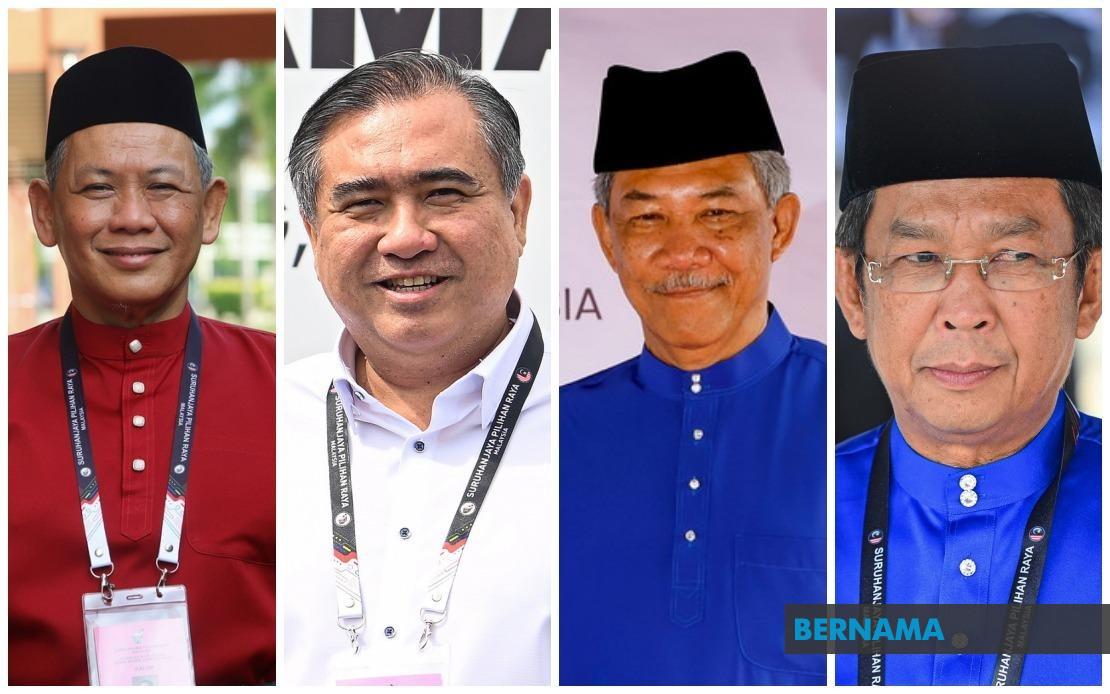
Pakatan Harapan's caretaker Menteri Besar Datuk Seri Aminuddin Harun, who also serves as the coalition's state chairman and as vice-president of PKR, confronts a triangular fight in Linggi constituency. His challengers include Datuk Mohd Faizal Ramli, the incumbent representative from Barisan Nasional, and Datuk Zamri Md Said, fielded by Bersatu. This configuration denies Aminuddin the comfort of a straight fight and introduces the possibility of a split opposition vote that could reshape the electoral dynamics significantly.
The challenge intensifies in several other critical seats where long-serving legislators now find themselves in unusually vulnerable positions. In Rantau, Datuk Seri Mohamad Hasan, who serves as both Foreign Minister and UMNO deputy president, faces a direct contest against Dr Azizul Hakim Mahdi representing Pakatan Harapan. The generational divide is stark—Mohamad, at 70 years old, has represented Rantau continuously since 2004, making the seat virtually synonymous with his political career. His challenger, significantly younger, represents an attempt to inject fresh momentum into a traditionally competitive constituency.
During the campaign period extending through July 31, Anthony Loke, the DAP secretary-general and Transport Minister, will campaign defensively in Chennah, a stronghold the party has maintained since 2013. The opposition's nomination of Siow Kong Choon, fielded by the MCA under Barisan Nasional, indicates a concentrated effort to reclaim what has historically been a difficult seat for the coalition. Loke's position as a national figure provides resources and visibility, yet the nomination itself reflects BN's assessment that the contest remains genuinely competitive.
Jalaluddin Alias, UMNO's chief in Negeri Sembilan and a BN representative who has held Pertang since 2013, encounters a three-cornered challenge involving Mohd Umry Abdul Khois from Pakatan Harapan and Mohd Faizal Fadli Mohd Idrus from Bersatu. The proliferation of candidates across multiple parties complicates his path to retaining the seat, particularly as Bersatu's participation fragments the vote among non-PH opposition voters.
Multiple constituencies feature even more complex electoral configurations that underscore the state's volatile political terrain. The Nilai seat hosts a five-cornered contest featuring DAP's national deputy chairman and incumbent J. Arul Kumar, alongside competitors representing Barisan Nasional, Bersatu, Berjasa, and an independent candidate. Similarly, Sri Tanjung presents a five-way battle that includes an intriguing element: Leevineshwaraan Murugan, a 23-year-old Bersatu candidate, stands as the youngest aspirant in the entire election, potentially appealing to voters seeking new generational voices in state politics.
The candidate distribution across competing coalitions reveals underlying structural complexity. Pakatan Harapan has fielded the maximum number of contenders at 36 candidates across all 36 state seats, followed by Barisan Nasional's 25 nominees, Bersatu's 24 hopefuls, and Perikatan Nasional's 11 representatives. Additionally, candidates from Berjasa, ASLI, PSM and four independent entries bring the total to 103 contestants, dispersing voter attention and complicating traditional binary contest dynamics that once characterised Malaysian state elections.
For Malaysian political observers and regional analysts, the Negeri Sembilan contest illuminates broader patterns reshaping Malaysia's electoral system. The rise of Bersatu as a significant third force and the participation of smaller ideologically-driven parties like PSM suggest that Malaysia's political duopoly has genuinely fractured. Voters increasingly encounter multi-option ballots rather than straightforward coalition choices, granting individual candidates and local issues potentially greater influence over electoral outcomes.
The election schedule itself—with early voting on July 28 and standard polling on August 1—creates a compressed timeline for campaign strategies. Political parties must compress their messaging across the two-week campaign period, potentially favouring incumbents with established constituency networks and resources. However, the presence of competitive contests involving major figures indicates that no significant political personality can assume automatic re-election, a reality that contrasts with previous electoral cycles where senior politicians often faced token opposition.
For Negeri Sembilan and the wider Southeast Asian region observing Malaysian politics, this contest serves as a barometer for voter sentiment regarding coalition performance, generational change, and the appetite for political alternatives. The competitive positioning of Aminuddin, Loke, Mohamad Hasan and Jalaluddin—all significant national figures—demonstrates that even political seniority and ministerial portfolios provide insufficient insulation against electoral pressure when voter preferences fragment across multiple options. The outcome may therefore carry implications extending well beyond state-level politics, offering signals about momentum and confidence trajectories that could influence forthcoming federal-level political calculations.

