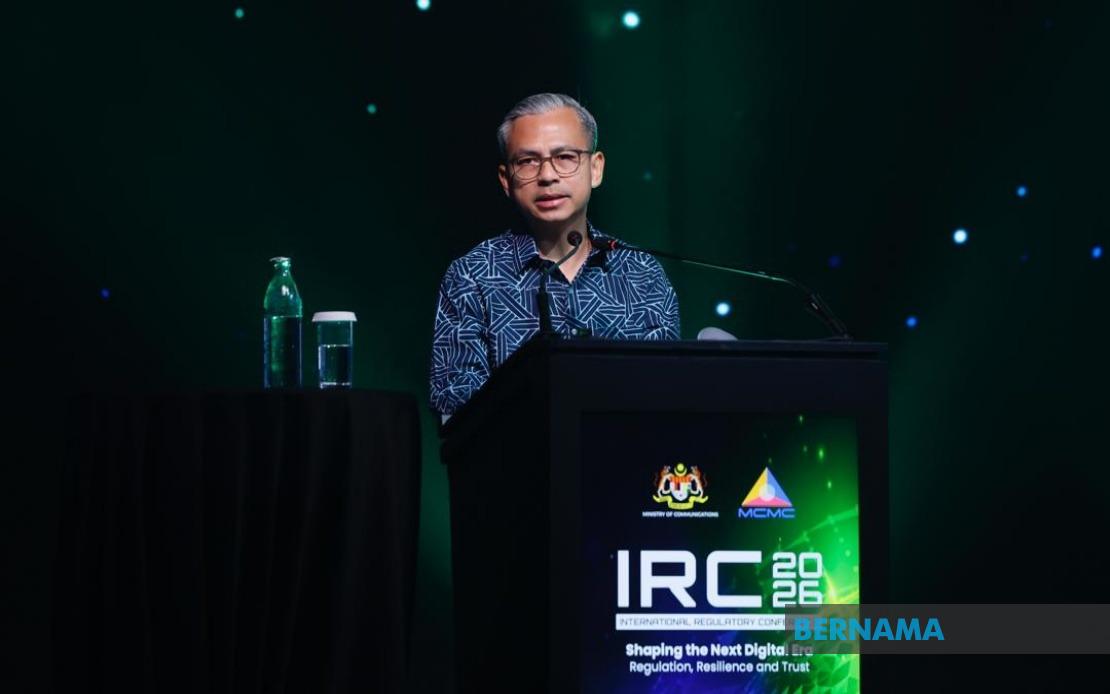
Malaysia is recalibrating its approach to digital governance, seeking to reconcile rapid technological advancement with the need for regulatory frameworks that inspire public confidence and protect citizens in an increasingly connected society. Communications Minister Datuk Seri Fahmi Fadzil articulated this balancing act while opening the International Regulators Conference 2026 in Kuala Lumpur, emphasising that technological progress must be accompanied by accountability mechanisms and safety guardrails that evolve alongside innovation.
The minister identified a fundamental tension at the heart of modern digital policy: citizens must increasingly depend on online platforms and systems that shape their economic, social and personal lives, yet regulatory systems designed a generation ago struggle to keep pace with the velocity of technological change. Fahmi framed this as the defining challenge facing Malaysia and other nations—establishing frameworks that genuinely earn public trust rather than merely impose restrictions. This recognition reflects growing international concern about the gap between technological capability and governance readiness, a concern particularly acute in Southeast Asia where digital adoption continues to accelerate.
Malaysia's response encompasses several interconnected initiatives designed to construct a more robust digital ecosystem. The National Digital Network Plan (Jendela) represents the foundational broadband infrastructure component, while the nationwide 5G rollout under a Dual Network model provides the connectivity backbone. Investment in submarine cable infrastructure addresses international data transmission capacity, reducing reliance on external networks. Together, these create the physical architecture upon which digital governance must be layered. For Malaysian business and consumers, improved infrastructure translates to faster, more reliable connectivity and reduced latency for everything from cloud services to financial transactions.
The Online Safety Act 2025 (ONSA) represents perhaps the most philosophically significant shift in Malaysia's regulatory approach. Rather than reacting to harms after they materialise online, ONSA emphasises prevention by establishing platform accountability standards and strengthening protections specifically targeting children and vulnerable population segments. This preventive orientation distinguishes it from earlier legislative approaches that typically criminalised harmful behaviour after the fact. The act effectively places responsibility on digital platforms to implement systems and policies that reduce the likelihood of harm occurring, a framework gaining traction globally but requiring substantial investment from tech companies to implement effectively.
Fahmi acknowledged that regulation cannot remain static in a sector characterised by constant innovation. Instead, governance frameworks must themselves embody agility—remaining responsive to emerging threats and technologies while maintaining sufficient stability to provide regulatory certainty for industry investment and consumer protection. This requires regulators to develop deeper technical expertise and establish ongoing consultation mechanisms with technology companies, academic researchers, and consumer advocates. The challenge for Malaysian regulators lies in avoiding both excessive restriction that stifles innovation and insufficient oversight that leaves citizens exposed to predatory or unsafe digital services.
The International Regulators Conference, now in its third iteration, has evolved from Malaysia's experience managing the transition to its distinctive 5G dual network model. When Malaysia introduced this approach, international regulatory bodies expressed keen interest in understanding how a single jurisdiction could support competing infrastructure operators while maintaining service quality standards. The IRC has since matured into a genuine platform for cross-jurisdictional regulatory dialogue, with officials from multiple countries gathering to address common challenges in digital governance. For Malaysia, this positions the country as a thoughtful voice in global telecommunications policy debates, elevating the MCMC's profile and potentially attracting additional foreign investment in digital infrastructure.
The 2026 conference agenda reveals the scope of challenges now confronting digital regulators worldwide. Online safety requires coordination between platforms, law enforcement and child protection agencies. Data governance involves balancing privacy rights against legitimate business uses and national security concerns. Artificial intelligence introduces questions about algorithmic accountability and bias mitigation. Quantum communications promises enhanced security but requires new standards development. Autonomous systems raise liability questions when algorithmic decision-making causes harm. These issues lack simple solutions and demand genuine expertise and cross-sector cooperation. Malaysia's willingness to tackle these questions publicly demonstrates regulatory maturity and contributes to regional capacity-building in digital governance.
Fahmi emphasised that outcomes from the IRC deliberations would translate into concrete policy actions within Malaysia and, through knowledge-sharing arrangements with the International Telecommunication Union (as a Council Member), inform regulatory development across other nations. This commitment to translating academic and professional dialogue into actionable policy distinguishes productive conferences from talking shops. For Malaysian stakeholders—whether telecommunications operators, technology companies, or civil society organisations focused on digital rights—this means IRC discussions should inform domestic policy positions and investment decisions.
The International Regulatory Conference also serves a diplomatic function within ASEAN and the broader Asia-Pacific region. Digital governance approaches differ significantly across the region, with some nations prioritising content control and others emphasising platform liability. Malaysia's convening role and its position between different regulatory philosophies positions it to facilitate regional harmonisation where possible, reducing compliance burdens on companies operating across Southeast Asia. However, this diplomatic role requires carefully navigating tensions between different national approaches to online expression and data sovereignty.
Regulatory evolution in Malaysia reflects broader structural changes in how governments conceive their relationship with digital platforms and digital citizens. Rather than viewing platforms primarily as content publishers subject to traditional media regulations or treating them as neutral infrastructure providers, the emerging framework recognises them as powerful intermediaries shaping information flows, social connections, and economic participation. This conceptual shift carries implications for how Malaysia approaches platform regulation, potentially requiring new institutional arrangements that blend telecommunications regulation expertise with content policy knowledge and data protection capabilities. The MCMC's expanding remit signals this institutional evolution.
For Malaysian consumers and businesses, strengthened digital governance should enhance confidence in online transactions, reduce exposure to fraud and harmful content, and create more stable investment conditions for digital economy participation. However, effective implementation requires sustained investment in regulatory capacity, ongoing industry cooperation, and sufficient transparency that stakeholders understand both the rules and their rationale. The IRC discussions highlight recognition among Malaysian policymakers that digital governance is not a static destination but a continuously evolving practice requiring regular recalibration as technologies and social impacts develop in unexpected directions.

