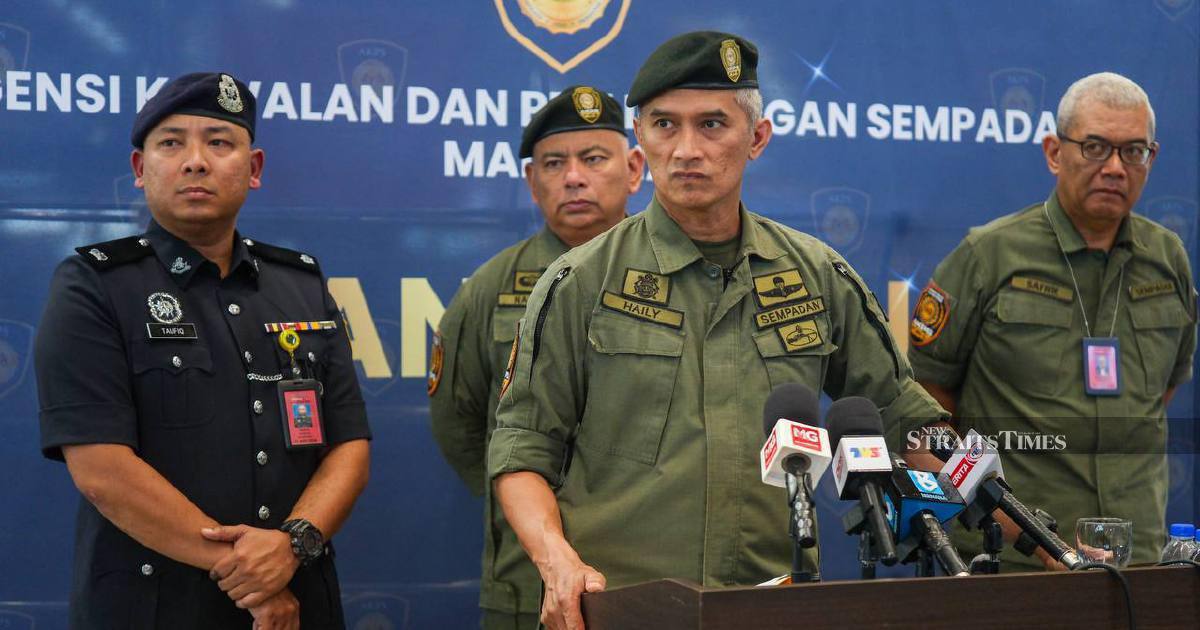
The Malaysian Customs Brokers Association (MCBA) has reaffirmed its position that all established airport screening protocols were meticulously followed when processing the baggage of a Malaysia Airlines pilot who was later apprehended in Indonesia on suspicion of attempting to smuggle narcotics. The statement comes amid heightened scrutiny into how the pilot's luggage passed through Malaysian border controls at Sepang before the alleged contraband was discovered during transit through Indonesian territory.
The incident has drawn attention to the efficiency and reliability of Malaysia's aviation security infrastructure at a time when the country is working to strengthen its reputation as a responsible transit hub. Sepang, home to Kuala Lumpur International Airport, serves millions of passengers annually and represents a critical checkpoint in regional air travel. The case underscores the complex challenges facing customs and border agencies tasked with screening vast quantities of baggage while maintaining passenger flow and operational efficiency.
AI-assisted scanning systems deployed at Malaysian border posts represent a significant investment in modernising detection capabilities. These technologies are designed to identify anomalies in baggage contents without requiring invasive physical searches that could slow processing times. According to the MCBA's account, the artificial intelligence systems in operation at the screening checkpoint did not flag the pilot's belongings as requiring further inspection, suggesting that whatever items were later alleged to be contraband did not trigger the algorithmic detection thresholds established for those systems.
The screening procedures that remained in effect throughout this incident represent years of refinement in international best practices. These SOPs encompass multiple layers of detection, including X-ray imaging, density analysis, and explosive residue screening. The fact that no alerts were generated indicates either that the detection parameters may not have been calibrated to identify certain types of substances, or that the items in question were packed or concealed in ways that fell outside the sensitivity range of the available technology. This distinction carries important implications for how Malaysia's regulatory framework might need to evolve.
The pilot's subsequent arrest in Indonesia introduces a jurisdictional dimension to the matter that will likely influence how Malaysian authorities approach similar cases going forward. Indonesia's enforcement of its robust narcotics laws has made it a destination where contraband items are frequently intercepted. This geographical reality means Malaysian screening agencies operate knowing that some items passing through their checkpoints may eventually be detected by downstream enforcement partners, potentially reflecting on Malaysia's own security posture even when local protocols have been perfectly executed.
For Malaysia's aviation sector, the timing of this incident carries weight. The country has worked systematically to maintain and enhance its standing in international aviation security assessments. Airlines operating from Malaysia's hub depend on confidence in the security apparatus to maintain smooth operations and consumer trust. A pilot employed by the region's flagship carrier facing such allegations inevitably affects the broader narrative around Malaysian aviation standards, regardless of where responsibility for the screening actually lies.
The reliance on AI-assisted systems represents both progress and limitation in modern border control. While artificial intelligence dramatically expands the volume of items that can be screened and reduces human error in pattern recognition, these systems operate within defined parameters. They cannot identify substances or contraband types for which they have not been specifically trained. This reality means that even perfectly functioning technology and diligently applied SOPs may miss items that fall outside their design specifications. The broader challenge for border agencies lies in continuously updating detection capabilities as smuggling methods evolve.
Southeast Asia's position in global drug trafficking networks makes rigorous border screening essential for all countries in the region. Malaysia's strategic location as a major hub connecting Europe, the Middle East, and Asia places particular responsibility on its enforcement agencies. The incident involving the Malaysia Airlines pilot demonstrates that vigilance must be maintained at every point in the supply chain, and that close cooperation between neighbouring countries' enforcement agencies becomes invaluable when domestic screening mechanisms encounter their limitations.
For Malaysian authorities, the MCBA's confirmation of proper procedure adherence serves to document compliance with established requirements while raising broader questions about whether those requirements remain adequate. The statement essentially affirms that everyone involved performed their assigned duties according to specifications—but it simultaneously highlights potential gaps in those specifications themselves. Moving forward, this case may serve as a catalyst for reviewing and upgrading screening technologies and parameters, particularly for routes and passenger categories identified as higher-risk based on emerging intelligence.
The incident also reflects the perennial tension in aviation security between maximising detection capacity and maintaining operational efficiency. Passengers and airlines expect swift processing, yet border authorities bear responsibility for preventing contraband. This pilot case illustrates how that balance plays out in practice: the screening systems operated as designed, procedures were followed correctly, yet contraband still made it through to Indonesian territory. For Malaysia's regulatory bodies, the question now becomes whether current standards struck the right equilibrium, or whether recent developments warrant a recalibration of detection thresholds and investigative protocols.
International cooperation in combating narcotics trafficking will likely figure prominently in how this matter evolves. Malaysian and Indonesian authorities have long-standing mechanisms for information sharing and joint enforcement operations. The apprehension in Indonesia provides an opportunity for both countries to exchange intelligence that might improve Malaysia's screening effectiveness going forward. Such cooperation transforms a security failure—if that is indeed what this represents—into an opportunity for system-wide improvement across the region.

