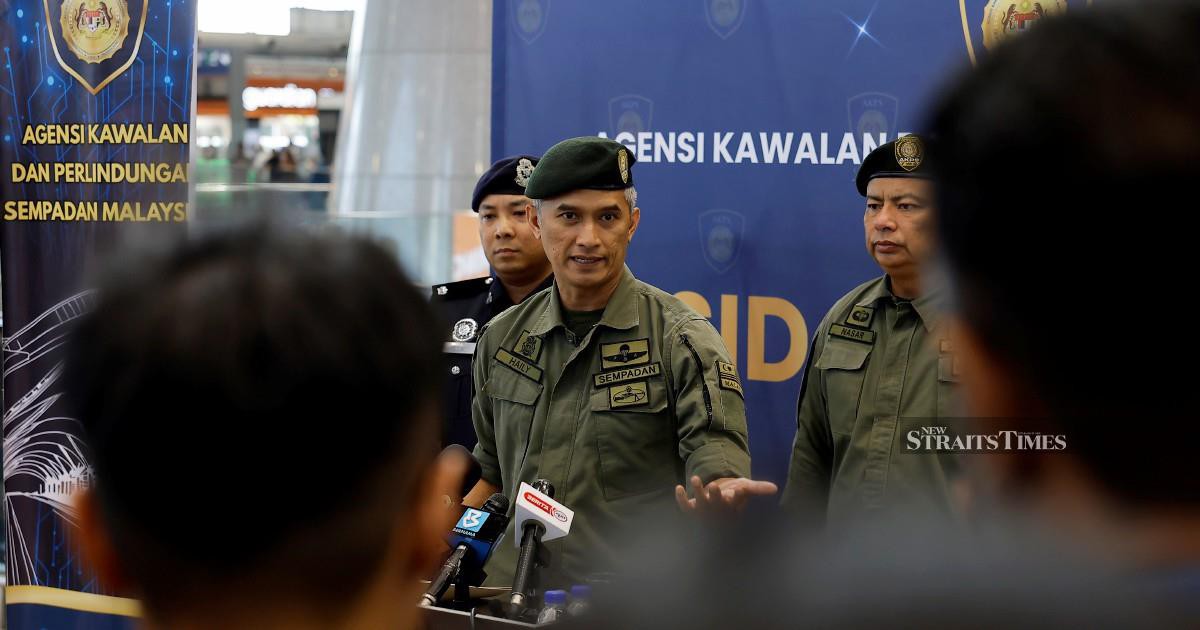
A Malaysia Airlines pilot detained in Indonesia last week with approximately 70,000 ecstasy pills had his baggage cleared through a screening system operated by the Aviation Security (AVSEC) division, according to Shuhaily Salim, chief of the Malaysia Border Control and Protection Agency. The distinction marks an important clarification regarding which authority handled the checkpoint procedures at the point of departure, as the case has drawn attention to Malaysia's airport security protocols and the division of responsibilities among different government agencies.
The arrest of the pilot, whose baggage contained the substantial quantity of illicit drugs, occurred outside Malaysian territory in Indonesia, prompting domestic scrutiny about how such contraband evaded detection at Malaysian airports. Shuhaily's statement explicitly confirms that the MCBA—which represents the country's primary border control authority and typically exercises jurisdiction over immigration and customs matters at entry and exit points—played no direct role in the baggage screening process that preceded the pilot's departure. This delineation is significant because it underscores the compartmentalized nature of airport security operations in Malaysia, where multiple agencies maintain distinct but overlapping responsibilities.
AVSEC operates as a dedicated aviation security body tasked with protecting aircraft, passengers, and cargo from security threats. The organization maintains exclusive authority over security screening procedures specific to aviation operations, including passenger and baggage inspection at departure gates and related checkpoints. By clarifying that AVSEC rather than MCBA managed the screening, Shuhaily has essentially situated the procedural question within the aviation security framework rather than the broader border control apparatus. This distinction carries implications for how authorities will investigate the incident and whether lessons learned will be applied through AVSEC's training and equipment protocols.
The case underscores the complexity of Malaysia's security architecture at international airports, where responsibilities distribute across multiple entities including customs, immigration, aviation security, and police. For Malaysian travellers and those monitoring airport safety, the clarity about which agency oversees specific checkpoints remains poorly understood by the general public. The incident serves as a reminder that even with multiple layers of screening in place, significant quantities of contraband can potentially transit through airport systems.
Indonesian authorities apprehended the pilot upon arrival, indicating the substantial drug cache made it through Malaysian departure procedures without detection. The drugs carried a street value suggesting organized trafficking rather than personal use, which raises questions about how systematic smuggling operations might exploit gaps or weaknesses in existing screening protocols. Industry observers have noted that international drug syndicates continuously adapt methods to circumvent security measures, and individual high-profile cases like this one often prompt reviews of procedures and equipment effectiveness.
The pilot's identity and specific details of the arrest remain part of an ongoing investigation, with Indonesian authorities managing the prosecution under their jurisdiction. However, Malaysian authorities have a vested interest in understanding how such a large drug shipment cleared departure screening, particularly given Malaysia's position as a major aviation hub serving Southeast Asian and global routes. The reputational implications for Malaysia Airlines and for Malaysia's security standards extend beyond the immediate case to broader perceptions of the country's governance capacity.
Shuhaily's public statement appears designed to establish clear lines of accountability and prevent confusion about which agency bore responsibility for the screening in question. By attributing the procedure to AVSEC, the statement may also signal that the matter will be examined through AVSEC's operational review processes rather than through broader MCBA investigations. The technical and procedural aspects of how baggage cleared screening—whether through X-ray systems, physical inspection, or other methods—remain central to understanding where detection mechanisms failed.
For Malaysia's aviation industry and security sector, incidents involving substantial drug shipments at international airports trigger standard reviews of procedures, training effectiveness, and equipment calibration. AVSEC typically uses advanced screening technologies and maintains protocols aligned with international civil aviation standards, yet human error, equipment malfunction, or deliberate insider involvement can compromise these systems. The investigation will likely examine whether procedural failures, technical inadequacies, or security breaches within the screening system allowed the drugs to pass through undetected.
Regionally, Malaysia's handling of such cases reflects on Southeast Asia's broader efforts to combat transnational drug trafficking. Countries across the region have faced persistent challenges with international syndicates exploiting aviation networks to move contraband. The credibility of Malaysian authorities in addressing these vulnerabilities influences international confidence in the country's transportation security standards and may affect bilateral cooperation with neighbouring nations on drug enforcement and aviation safety.
The clarification from MCBA leadership also highlights the importance of institutional transparency when security breaches occur at critical infrastructure points. Public understanding of which agencies oversee which functions enables more informed public discourse about accountability and resource allocation. As Malaysia continues modernizing its airport security infrastructure, incidents like this one provide practical feedback on system performance under real-world conditions and opportunities to strengthen protocols before similar cases recur.

