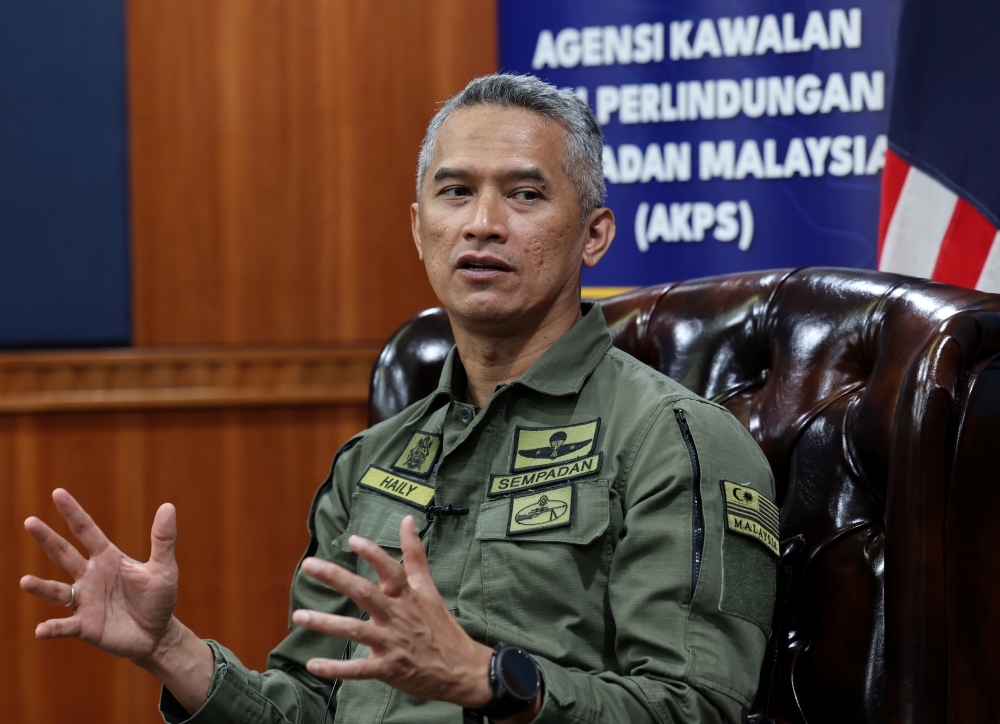
A Malaysia Airlines pilot detained on drug-related charges at an Indonesian airport had his luggage screened without incident at Kuala Lumpur International Airport before departure, according to the head of Malaysia's border control agency. The revelation has triggered an internal review of security protocols and screening effectiveness at the country's primary aviation hub, highlighting potential gaps in detection systems that are drawing scrutiny from both Malaysian and Indonesian authorities.
The pilot's arrest in Jakarta represents a significant security concern for the airline industry across Southeast Asia, where aviation companies maintain strict compliance frameworks and reputational standards. Malaysia Airlines, already navigating recovery efforts following previous crises, faces renewed scrutiny over employee vetting and internal controls. The incident underscores vulnerabilities in the supply chain of international aviation, where personnel move frequently across borders and screening processes must balance efficiency with security thoroughness.
Malaysian authorities acknowledged that the pilot's baggage passed through standard X-ray scanning and physical inspection procedures at KLIA without triggering alerts. This procedural compliance, while meeting baseline requirements, has prompted questions about whether current detection methodologies are sufficiently calibrated to identify contraband items, particularly those concealed using sophisticated methods. The border agency chief's statement indicates that technical and procedural reviews are underway to assess whether equipment sensitivity or inspection protocols require enhancement.
The timing of the discovery in Jakarta rather than Kuala Lumpur raises broader operational questions about the effectiveness of coordinated screening between Malaysia and Indonesia, the two largest aviation markets in Southeast Asia. Both nations are signatories to international air safety and security conventions, yet incidents of this nature suggest that standardised protocols may not be uniformly implemented or that certain cargo handling procedures create blind spots. Investigators are now examining whether particular screening stages—such as the transition between terminal security and aircraft loading—presented vulnerabilities that were exploited.
For Malaysia Airlines specifically, the incident creates additional compliance pressures from regulatory bodies and international aviation authorities. Airlines are held accountable not only for their own operations but increasingly for employee conduct that reflects on their institutional integrity. The carrier's human resources and compliance divisions are likely conducting comprehensive reviews of personnel background checks, security training, and monitoring systems. Such internal audits often result in enhanced protocols that extend beyond regulatory minimums, particularly among carriers competing in premium and regional markets where passenger confidence remains fragile.
The detention has implications extending beyond Malaysia Airlines to the broader aviation ecosystem across Southeast Asia. Regional carriers, ground handling operators, and airport authorities may accelerate their own security audits in response to this case. International bodies such as the International Civil Aviation Organization monitor such incidents as indicators of systemic vulnerabilities. Malaysia's standing as a regional aviation hub depends partly on demonstrating robust security frameworks, and this incident, while isolated, contributes to the operational narrative that authorities must actively manage.
Indonesian authorities have likely initiated parallel investigations to determine whether the contraband entered Indonesia through cargo or luggage channels, or whether acquisition occurred domestically after arrival. Such coordination between KLIA and Jakarta's Soekarno-Hatta International Airport represents standard interstate cooperation in aviation law enforcement. However, the case illustrates that enhanced coordination mechanisms and information-sharing protocols between airport authorities could strengthen interdiction efforts. Southeast Asian airports handle millions of passengers and tonnes of cargo annually, and detection rates remain proportional to both the volume processed and the sophistication of concealment methods employed.
The border agency's public acknowledgement of the baggage clearance represents transparency that is generally viewed positively by security analysts and regulatory observers. Rather than obscuring the screening failure, Malaysian authorities are positioning the incident as an opportunity for systematic improvement. This approach aligns with international best practices in aviation security governance, where continuous improvement frameworks are treated as essential rather than optional. Regulatory bodies in Malaysia and internationally will likely reference this incident when evaluating the adequacy of current screening standards and equipment specifications.
Personnel security in aviation remains a persistent challenge across all global jurisdictions, not merely Southeast Asia. Pilots, flight attendants, ground crew, and maintenance personnel occupy trusted positions within the aviation system, and incidents involving such employees generate disproportionate concern among regulators and public stakeholders. Enhanced vetting procedures, periodic background verification, and monitoring systems have become standard practice at major carriers worldwide. Malaysia Airlines, in response to this situation, may implement additional measures such as enhanced random screening, financial monitoring, or behavioral awareness training among crew members.
The incident also reflects broader regional drug trafficking challenges that affect Malaysia and Indonesia particularly severely. Both nations serve as transit points for narcotics moving through Southeast Asia, and aviation personnel can become targets for recruitment into trafficking networks. Law enforcement agencies in both countries are engaged in sustained efforts to disrupt such operations, and pilot arrests, while relatively uncommon, represent validation that trafficking networks actively exploit the aviation sector. Enhanced awareness and reporting mechanisms among airline staff could strengthen these interdiction efforts.
Looking forward, this case will likely influence policy discussions regarding airport security standards, personnel background checks, and cross-border information sharing among Southeast Asian aviation authorities. Malaysian policymakers may consider whether existing regulations adequately address employee screening intervals, declaration requirements, or reporting obligations. International aviation bodies will monitor Malaysia's response to determine whether systemic improvements emerge from the incident. For Malaysia Airlines, the challenge involves demonstrating institutional accountability while maintaining operational confidence among passengers and regulatory authorities.
The broader significance of this incident extends to how Southeast Asian nations coordinate security responses within the region's increasingly integrated aviation market. As travel demand continues expanding and aircraft movements intensify, security frameworks must simultaneously accommodate operational efficiency and maintain detection effectiveness. Malaysia's role as a regional aviation hub makes it particularly positioned to lead coordinated approaches that balance these competing demands while upholding international aviation standards.

