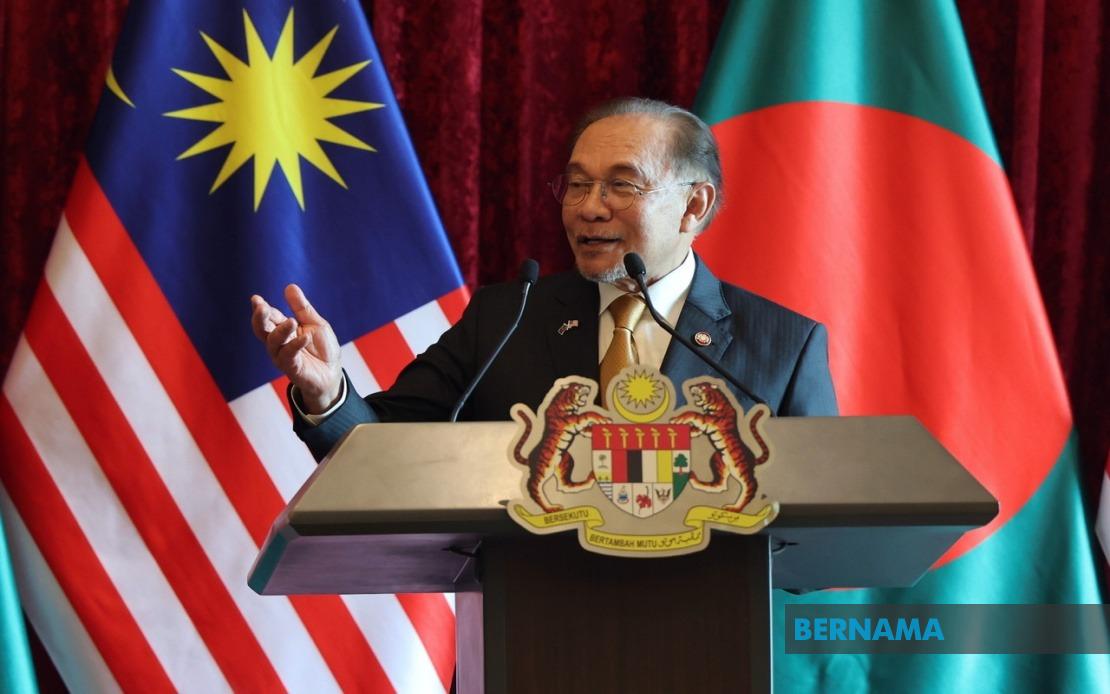
Prime Minister Datuk Seri Anwar Ibrahim and visiting Bangladesh Prime Minister Tarique Rahman have committed to breathing new life into diplomatic channels that have remained inactive, signalling a reset in the relationship between the two South Asian neighbours. During Rahman's two-day official visit to Putrajaya, both leaders endorsed plans to reactivate the Joint Commission Meeting and Bilateral Consultations, representing a significant step towards formalised institutional engagement after an extended period of dormancy. The move underscores recognition on both sides that structured political dialogue serves as a foundation for resolving practical issues and expanding cooperation across multiple sectors.
The decision to resume these mechanisms reflects an understanding that regular high-level exchanges generate momentum across the diplomatic spectrum. Malaysia and Bangladesh have benefited from periodic visits and coordinated positions on regional matters, yet the absence of formal institutionalised meetings has created gaps in addressing emerging challenges. By committing to convene these forums at the earliest feasible moment, both governments signal intent to establish predictable, regular engagement rather than ad hoc bilateral encounters. This structured approach mirrors how successful regional partnerships operate, with scheduled dialogues allowing officials to track progress, resolve bottlenecks, and identify new collaboration opportunities without waiting for crises or major events to prompt contact.
Labour mobility stands as perhaps the most tangible and economically significant dimension of the Malaysia-Bangladesh relationship. Bangladesh has emerged as a crucial source of workers across Malaysia's manufacturing, construction, services, and hospitality sectors, with hundreds of thousands of migrant workers contributing substantially to both Malaysia's economic output and Bangladesh's remittance inflows. The joint statement explicitly recognised the Bangladeshi expatriate community's role not merely as economic contributors but as cultural bridges, fostering people-to-people connections that transcend government-to-government relations. This framing reflects a maturing understanding that migrant workers function as unofficial ambassadors, their experiences and achievements shaping perceptions and reinforcing ties between nations.
However, the labour dimension also harbours complexities that have periodically strained relations. Bangladesh has long sought expanded worker quotas, viewing Malaysia as a high-wage destination offering superior employment prospects compared to other regional destinations. Malaysia, conversely, has grown cautious about foreign labour intake, implementing stricter policies to prioritise local workforce development and address concerns about displacement of domestic workers. The joint statement reflects this tension by acknowledging Bangladesh's quota proposals while firmly anchoring Malaysia's approach in existing policy frameworks. The language emphasising case-by-case assessment, verified employer requirements, and sectoral ceilings demonstrates Malaysia's determination to manage inflows according to labour market conditions rather than political pressure.
Transparency and fair recruitment practices have emerged as a focal point following years of reports documenting exploitation, trafficking, and fee-gouging by unscrupulous agents operating in Bangladesh. Both governments recognised that credible, competitive recruitment processes serve mutual interests: Malaysia gains access to screened, qualified workers while Bangladesh protects citizens from unethical practices that damage the country's reputation and harm vulnerable workers. The commitment to utilise only credible and qualified recruitment agencies represents a hardening of standards, suggesting both nations have concluded that previous frameworks permitted insufficient oversight. For Malaysian employers, this translates to more rigorous vetting and potentially higher recruitment costs; for Bangladeshi workers, it means greater assurance that their employment arrangements meet transparent standards.
The establishment of a Joint Working Group to evaluate and modernise the existing Memorandum of Understanding signals recognition that current bilateral arrangements require updating to reflect contemporary realities. The current MoU, negotiated years earlier, likely contains provisions misaligned with present-day requirements, including digital recruitment platforms, welfare standards, contract specifications, and dispute resolution mechanisms. A fresh agreement presents opportunity to incorporate lessons learned from both countries' migration experiences, address grey areas that have permitted exploitation, and establish clearer expectations for recruitment agencies, employers, and workers. The working group approach allows technical experts from labour ministries, immigration authorities, and worker protection agencies to conduct detailed negotiations insulated from immediate political pressures.
For Malaysia, stable and predictable labour migration frameworks hold strategic importance. The manufacturing and construction sectors, vital to economic growth targets, depend upon foreign workers to fill labour gaps that domestic supply cannot address. Disruptions to worker flows—whether through policy changes in source countries, disputes over terms, or trafficking scandals—create supply-chain vulnerabilities. Bangladesh, meanwhile, benefits from orderly migration frameworks that minimise worker exploitation, ensure wage remittances flow properly, and maintain Malaysia's willingness to absorb labour rather than turning toward alternative suppliers like Myanmar or Indonesia. Both nations thus possess incentives to reach mutually satisfactory arrangements.
The bilateral relationship extends beyond labour into areas including defence cooperation, religious and cultural exchanges, and coordination within multilateral forums such as ASEAN and the Organisation of Islamic Cooperation. Malaysia's strategic position as a developed, Muslim-majority Southeast Asian nation with sophisticated institutions holds appeal for Bangladesh as it seeks partnerships advancing development and governance objectives. Bangladesh, conversely, represents a significant Muslim-majority nation with growing economic weight and demographic heft, offering Malaysia partnership opportunities within the Islamic world and South Asian engagement more broadly. Revitalising bilateral mechanisms thus serves interests that transcend any single sector.
The timing of Rahman's visit carries geopolitical implications. Bangladesh has undergone significant political turbulence in recent years, with transitions affecting governance stability and policy continuity. A strengthened relationship with Malaysia—a regional power with established institutions—offers Bangladesh reassurance and partnership within Southeast Asia. For Malaysia, deepening ties with Bangladesh reflects Anwar Ibrahim's broader foreign policy emphasis on South Asian engagement and outreach beyond traditional ASEAN centricity. The reactivation of dormant bilateral structures therefore signals not merely technical administrative steps but rather political commitment from both capitals to prioritise the relationship.
Looking forward, the success of these initiatives depends upon sustained political will and institutional capacity to follow through. Joint commission meetings require dedicated secretariat support, clear agendas, and mechanisms to implement decisions reached. The working group evaluating and redrafting the labour MoU must balance competing interests while maintaining expert objectivity. Worker protection provisions must address not merely recruitment standards but also employment conditions, remittance transfer security, and dispute resolution. If these mechanisms function effectively, they could model how labour migration between developing nations can proceed with dignity, transparency, and mutual benefit—a template with relevance across Southeast Asia and South Asia more broadly.

