%22%2F%3E%3C%2Fpattern%3E%3C%2Fdefs%3E%3Crect%20width%3D%22100%25%22%20height%3D%22100%25%22%20fill%3D%22url(%23ph4sj74g)%22%2F%3E%3Crect%20width%3D%22100%25%22%20height%3D%22100%25%22%20fill%3D%22url(%23ph4sj74p)%22%2F%3E%3Ctext%20x%3D%2250%25%22%20y%3D%2250%25%22%20text-anchor%3D%22middle%22%20dominant-baseline%3D%22central%22%20fill%3D%22rgba(255%2C255%2C255%2C0.95)%22%20font-family%3D%22Georgia%2C%20'Times%20New%20Roman'%2C%20serif%22%20font-weight%3D%22700%22%20font-size%3D%22170%22%20letter-spacing%3D%22-0.02em%22%3EMalaysia%3C%2Ftext%3E%3C%2Fsvg%3E)
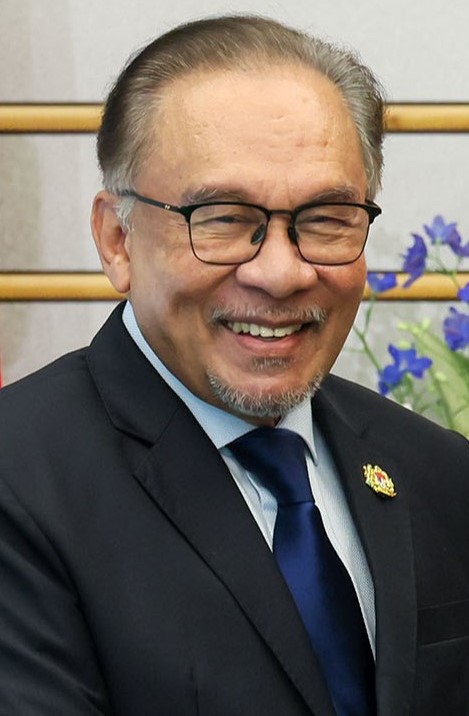
Prime Minister Datuk Seri Anwar Ibrahim and Bangladesh Prime Minister Tarique Rahman have jointly pledged to eliminate the exploitation and mistreatment of migrant workers, signalling a renewed commitment to addressing one of the region's most persistent labour challenges. The agreement, announced at a joint press conference in Putrajaya on June 22, reflects growing international pressure on both nations to reform their labour practices and safeguard vulnerable workers from abuse and systemic failures that have long plagued cross-border employment arrangements.
Anwar acknowledged that while foreign workers remain indispensable to Malaysia's continued economic growth and development, their contributions must not come at the cost of compromised safety, fair treatment, or family security. His remarks underscored a tension that has defined Malaysia's relationship with migrant labour: the nation's economic reliance on foreign workers contrasts sharply with recurring scandals involving wage theft, unsafe working conditions, document confiscation, and physical abuse. The Prime Minister's emphasis on transparency represents a tacit admission that Malaysia's recruitment ecosystem has historically operated in murky conditions, creating opportunities for exploitation by unscrupulous agents and employers.
The proposed overhaul of recruitment mechanisms is particularly significant given the scale of Bangladesh's contribution to Malaysia's labour force. Bangladeshi workers constitute one of the largest migrant communities in Malaysia, employed across manufacturing, construction, plantation agriculture, and domestic service sectors. The current framework, despite multiple reforms over the past decade, continues to generate complaints from worker advocacy groups who document persistent violations and inadequate complaint mechanisms. By committing to greater transparency, both governments are acknowledging that systemic change requires not merely legislative amendments but fundamental restructuring of how workers are recruited, vetted, placed, and monitored throughout their employment periods.
Tarique raised Bangladesh's interest in expanding its workforce presence in Malaysia, requesting that the country consider recruiting additional Bangladeshi workers and reopening labour market access. This request carries political weight domestically, as Bangladesh faces significant unemployment pressures and depends heavily on remittances from overseas workers to sustain household incomes and foreign exchange reserves. For Malaysia, reopening or expanding recruitment from Bangladesh would address persistent labour shortages in sectors struggling to attract sufficient workers, though this expansion must be carefully calibrated to ensure it does not reproduce the conditions that enabled exploitation to flourish previously.
The humanitarian dimension of labour migration has become increasingly difficult for both governments to ignore. Migration pathways, particularly for lower-skilled workers from South Asia, frequently involve substantial upfront costs paid to recruitment agents—fees that workers recover through months or even years of employment. This arrangement creates dependency relationships that unscrupulous employers exploit, withholding wages or threatening deportation to suppress worker complaints. Bangladesh and Malaysia's bilateral statement suggests both nations recognise that protecting workers requires addressing these structural vulnerabilities, not simply imposing penalties after violations occur.
Malaysia's historical approach to migrant worker governance has been fragmented across multiple agencies, with enforcement gaps allowing violations to persist unchecked. The Ministry of Human Resources, immigration authorities, and labour inspectorates have sometimes pursued divergent priorities, with border management concerns occasionally overshadowing worker welfare. A more coordinated bilateral framework between Malaysia and Bangladesh could establish clearer accountability mechanisms, standardised contract provisions, and faster channels for resolving disputes without requiring workers to navigate unfamiliar legal systems or risk employment termination.
The pledge also carries implications for Malaysia's international reputation. As a middle-income country with aspirations toward higher-skilled economic positioning, persistent labour exploitation undermines Malaysia's standing in global forums and complicates bilateral relationships with significant labour-sending nations. Bangladesh, similarly, has faced criticism from international labour organisations and human rights bodies regarding its oversight of overseas recruitment practices. Joint commitments to reform, if implemented with genuine rigour, could help both nations improve their records and demonstrate seriousness about meeting international labour standards.
Implementation will prove the measure of these agreements. Previous bilateral commitments between Malaysia and labour-sending countries have occasionally foundered due to competing bureaucratic interests, resource constraints, or political shifts. The real test will be whether the rhetoric of transparency translates into concrete mechanisms—such as independent auditing of recruitment agents, robust worker grievance procedures accessible without employer involvement, and meaningful penalties for violations. Malaysian employers and recruitment intermediaries, accustomed to operating with considerable discretion, may resist reforms perceived as constraining their operational flexibility or increasing compliance costs.
For Malaysian readers and businesses, the commitment signals potential changes in how foreign worker recruitment will function going forward. Companies may face stricter documentation requirements, enhanced compliance obligations, and greater scrutiny of their employment practices. These measures, while potentially increasing administrative burdens and costs, should ultimately create more stable labour relationships by reducing the conflicts and disputes that arise when workers arrive with unclear contracts, undisclosed fees, or mismatched job descriptions. A more formal, transparent system may also reduce opportunistic behaviour by dishonest agents who profit from information asymmetries.
The regional context matters considerably. Southeast Asia's labour-sending countries—Bangladesh, Myanmar, Laos, Cambodia, and the Philippines—have collectively sent millions of workers throughout the region seeking better economic opportunities. Malaysia, as a major destination, shapes conditions that influence how other Southeast Asian states approach their own labour export policies and governance. Reforms in Malaysia could establish precedents encouraging similar changes elsewhere, gradually raising standards across the region and making exploitation riskier for those who attempt it.
Both governments will need to demonstrate genuine follow-through, establishing timeline-bound actions, measurable targets, and accountability mechanisms. The test of sincerity lies not in joint statements but in visible reforms—licensing changes for recruitment agents, enhanced monitoring of Malaysian employers, expedited mechanisms for wage recovery, and transparent reporting of violation investigations. For Bangladesh, ensuring that its own recruitment oversight meets standards will be equally important, as ineffective screening at the source undermines destination-country reforms.