%22%2F%3E%3C%2Fpattern%3E%3C%2Fdefs%3E%3Crect%20width%3D%22100%25%22%20height%3D%22100%25%22%20fill%3D%22url(%23ph4axobg)%22%2F%3E%3Crect%20width%3D%22100%25%22%20height%3D%22100%25%22%20fill%3D%22url(%23ph4axobp)%22%2F%3E%3Ctext%20x%3D%2250%25%22%20y%3D%2250%25%22%20text-anchor%3D%22middle%22%20dominant-baseline%3D%22central%22%20fill%3D%22rgba(255%2C255%2C255%2C0.95)%22%20font-family%3D%22Georgia%2C%20'Times%20New%20Roman'%2C%20serif%22%20font-weight%3D%22700%22%20font-size%3D%22170%22%20letter-spacing%3D%22-0.02em%22%3EMalaysia%3C%2Ftext%3E%3C%2Fsvg%3E)
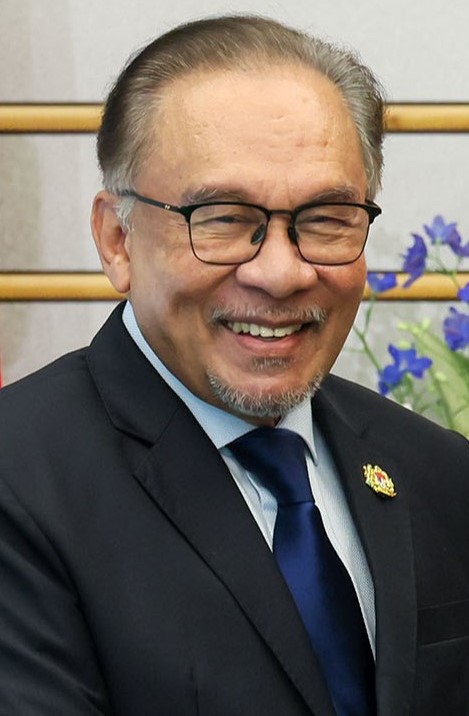
Prime Minister Anwar Ibrahim and his Bangladeshi counterpart Sheikh Hasina Wazed have underscored the shared commitment between Malaysia and Bangladesh to safeguard the rights and dignity of migrant workers, signalling a significant focus on labour protection as a cornerstone of regional cooperation. The two countries have acknowledged that the pervasive problems of worker exploitation and maltreatment demand urgent intervention through coordinated policy measures and institutional reforms. This bilateral agreement reflects growing regional awareness that migrant worker welfare cannot be treated as a peripheral concern but must be integrated into the core architecture of employment relations between labour-sending and labour-receiving nations.
During high-level talks held in Putrajaya, Prime Minister Anwar stressed the Malaysian government's commitment to ensuring migrant workers enjoy fair working conditions, reasonable wages, and protection from abuse. Malaysia hosts over two million migrant workers, predominantly from Bangladesh, Indonesia, and Myanmar, making it one of Southeast Asia's largest recipients of foreign labour. The emphasis on worker welfare addresses longstanding concerns raised by civil society organisations, international labour bodies, and home countries regarding documented cases of wage theft, unsafe conditions, and inadequate housing that have tarnished Malaysia's reputation as an employer. By elevating this issue at the prime ministerial level, Malaysia signals its intention to rebuild trust with source countries and demonstrate genuine commitment to ethical labour practices.
Bangladeshi Prime Minister Sheikh Hasina, for her part, pressed for expanded employment pathways for Bangladeshi nationals, seeking to capitalise on Malaysia's growing sectors and labour shortages across manufacturing, construction, plantations, and domestic work. Bangladesh faces significant emigration pressure driven by population density and limited domestic job creation, making overseas employment a critical economic outlet for millions of families. Sheikh Hasina's advocacy for more opportunities reflects Bangladesh's dual interest in both expanding remittance flows—a vital source of foreign exchange—and reducing domestic unemployment. However, this pursuit of expanded quotas must be tempered by quality considerations, ensuring that additional job placements do not come at the expense of worker protection standards.
Central to both leaders' discussions was the urgent need for reform in recruitment processes across Malaysia. Current hiring mechanisms have been criticised for enabling unethical intermediaries to extract excessive fees from workers, leaving many deeply indebted before they even commence employment. These recruitment debts create leverage that unscrupulous employers exploit to coerce workers into accepting substandard conditions, effectively trapping them in cycles of dependency. Both governments acknowledged that streamlining recruitment through direct employer-to-worker channels and eliminating predatory intermediaries would address a root cause of worker vulnerability. Malaysia's recent efforts to regulate recruitment agencies and enforce fee caps represent progress, though implementation remains inconsistent across states and sectors.
The bilateral agreement also encompasses mechanisms for better monitoring and enforcement of labour standards. Joint working groups can facilitate intelligence-sharing on abusive employers, coordinate on prosecuting cases of trafficking or forced labour, and establish protocols for worker grievance resolution. Bangladesh's government has historically faced criticism for inadequate follow-up on complaints from migrant workers, partly due to resource constraints and geographical distance. Greater coordination with Malaysian authorities can improve accountability and signal to employers that violations will have consequences. Such mechanisms are particularly important given that many cases of abuse go unreported due to workers' fears of deportation or loss of employment.
The issue of fair recruitment extends beyond regulatory frameworks to cultural and institutional change within Malaysia's business community. Employers must recognise that ethical treatment of migrant workers improves productivity, reduces turnover, and enhances corporate reputation. Malaysian businesses competing in global supply chains increasingly face pressure from international buyers to demonstrate labour compliance, making worker welfare a competitive rather than purely humanitarian concern. By framing migrant protection as aligned with business interests, both governments can build broader coalitions supporting reform. Industry associations, certification bodies, and consumer-facing companies have strong incentives to champion standards that differentiate their practices from exploitative competitors.
For Malaysian policymakers, the bilateral engagement with Bangladesh underscores the interconnection between domestic labour practices and regional stability. Migrant workers' grievances, when systematically ignored, fuel social tensions in both origin and destination countries. Bangladesh's government faces domestic political pressure if its citizens abroad are mistreated, potentially straining diplomatic relations and complicating cooperation on shared challenges like maritime security and climate adaptation. Conversely, Malaysia's dependence on migrant labour makes it vulnerable to supply disruptions should source countries restrict emigration or prioritise other destinations offering better protections. These structural realities create mutual incentives for genuine partnership on labour standards.
The broader Southeast Asian context amplifies the significance of Malaysia-Bangladesh cooperation on migrant welfare. Thailand, Singapore, and other regional economies also employ millions of foreign workers, creating competitive dynamics around labour standards. Should Malaysia establish itself as a jurisdiction offering superior protections and fairer recruitment, it could attract higher-quality workers and bolster its reputation as a responsible employer. Conversely, if Malaysia lags behind regional competitors on worker rights, it risks losing labour supply and facing international criticism that constrains its diplomatic influence. This competitive dimension can catalyse genuine reform if policymakers recognise that labour standards are increasingly a marker of national development and institutional quality.
Implementing the Malaysia-Bangladesh agreement will require sustained political will and adequate resources for enforcement. Recruitment agencies must be held accountable for fee overcharging, unsafe transportation, and misrepresentation of job terms. Employers must comply with minimum wage requirements, safe working conditions, and reasonable working hours without fear of labour shortages that discourage reporting. Bangladeshi workers themselves need better access to information about their rights, complaints mechanisms, and legal support in case of disputes. Malaysian civil society organisations, which have documented worker abuses extensively, should be engaged as partners in monitoring and advocacy rather than marginalised as critics. The success of the bilateral agreement will ultimately be measured not by rhetorical commitment but by measurable improvements in workers' lived experiences and documented reductions in exploitation cases.