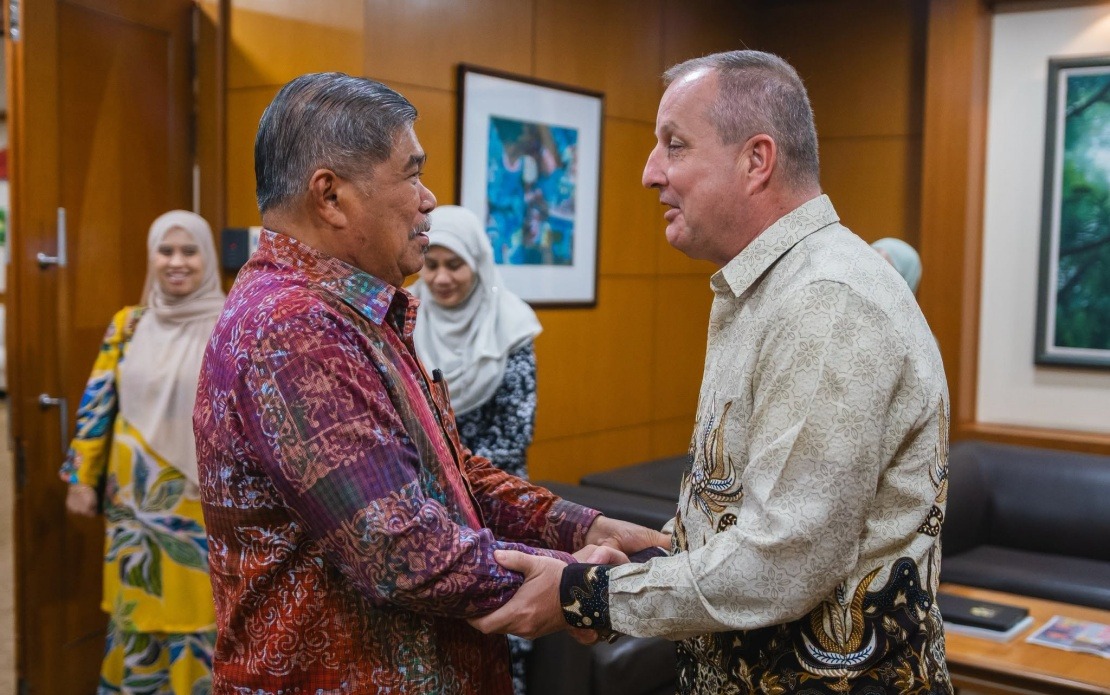
Malaysia and Hungary have embarked on a comprehensive strengthening of their agricultural partnership, with discussions between Agriculture and Food Security Minister Datuk Seri Mohamad Sabu and Hungarian Ambassador Dr. Sándor Sipos underscoring the two nations' commitment to advancing food security and agri-food development. The bilateral engagement reflects a broader strategic alignment on agricultural innovation and market expansion that could reshape regional food supply chains and research collaboration frameworks across Southeast Asia and Central Europe.
During their recent meeting, the two officials explored multiple dimensions of agricultural cooperation, including Hungary's formal participation in the Malaysian Agriculture, Horticulture and Agrotourism Exhibition (MAHA) 2026. This exhibition represents one of the region's largest agricultural showcases and provides Hungary with a significant platform to introduce its farming innovations, livestock breeding expertise, and agro-technological solutions to Southeast Asian markets. For Malaysia, the Hungarian presence signals an opportunity to access European agricultural methodologies and strengthen its position as a regional agricultural hub.
A cornerstone of the partnership involves the inaugural Malaysia-Hungary Joint Working Group (JWG) meeting, which establishes formal mechanisms for sustained dialogue and policy coordination. The establishment of such a structure demonstrates both countries' intent to move beyond ad-hoc cooperation toward institutionalized collaboration that can withstand political transitions and market fluctuations. This framework allows for regular consultation on emerging agricultural challenges, trade regulations, and investment opportunities within the agri-food supply chain.
The scientific dimension of the relationship centers on intensified research collaboration between Malaysia's Agricultural Research and Development Institute (MARDI) and Hungary's University of Agriculture and Life Sciences (MATE). According to Minister Mohamad Sabu, this partnership has already yielded tangible progress through the Erasmus+ Researcher exchange programme, which facilitates knowledge transfer and capacity building among agricultural scientists. The collaborative focus on genetics, breeding technology, and high-quality livestock product development addresses critical priorities for both nations—Malaysian efforts to enhance crop resilience and productivity align naturally with Hungary's decades of expertise in animal husbandry and agricultural biotechnology.
The genetic research and breeding technology initiatives hold particular significance for Malaysia's agricultural sector, which faces mounting pressure from climate variability, pest pressures, and soil degradation. Hungarian expertise in developing climate-resilient crop varieties and efficient livestock breeding practices could accelerate Malaysia's transition toward more sustainable and productive farming systems. Conversely, Malaysia's experience with tropical agriculture and specialized high-value crops such as palm oil, cocoa, and spices offers valuable knowledge for Hungarian researchers seeking to diversify their research portfolios and understand agricultural challenges in different climatic zones.
Beyond research, both nations recognize the commercial potential of expanded trade and investment in agri-food products. The cooperation framework encourages Malaysian agri-food entrepreneurs and farmers to explore Hungarian markets for specialty products, while simultaneously welcoming Hungarian agricultural technology providers and processed food manufacturers to invest in Malaysia's expanding agricultural sector. This two-way flow of goods and capital strengthens economic ties and creates employment opportunities across the value chain, from primary production through processing and export.
The partnership also reflects broader strategic considerations for Malaysia's national food security agenda. By diversifying its agricultural knowledge sources and building resilient supply chains through international cooperation, Malaysia reduces its vulnerability to regional supply disruptions and market volatility. Hungary, as a member of the European Union with strong agricultural traditions and modern farming practices, provides access to global best practices and EU-aligned agricultural standards that can enhance the competitiveness of Malaysian agri-food exports in European and other developed markets.
For farmers, agricultural breeders, and agri-food entrepreneurs in both countries, the strengthened bilateral relationship promises tangible benefits through enhanced access to cutting-edge agricultural technology, improved breeding stock, and expertise sharing platforms. The emphasis on experiential learning and professional exchange creates pathways for agricultural stakeholders to gain international experience and establish business networks that transcend national boundaries. Such professional mobility strengthens innovation ecosystems and accelerates the adoption of best practices across borders.
The timing of this agricultural deepening also positions Malaysia and Hungary within broader regional and global conversations about food security, climate adaptation, and sustainable farming. As Southeast Asian nations increasingly prioritize agricultural modernization and climate-resilient farming practices, partnerships with established agricultural powerhouses like Hungary provide crucial technical and institutional support. Meanwhile, Hungary benefits from access to Southeast Asian markets and research opportunities that complement its own agricultural strategy and export diversification efforts.
Looking forward, Minister Mohamad Sabu's commitment to sustained strengthening of the Malaysia-Hungary agricultural relationship signals official recognition that long-term food security depends on robust international cooperation, knowledge exchange, and market integration. The convergence of Malaysian demand for agricultural innovation with Hungarian capacity for technical expertise creates a natural foundation for deepening ties. As both nations implement the outcomes of their discussions—from MAHA 2026 participation to expanded MARDI-MATE research collaboration—the agricultural partnership may serve as a model for how countries with complementary agricultural profiles can build mutually beneficial relationships that enhance food security, support farmer livelihoods, and advance regional agricultural development.

