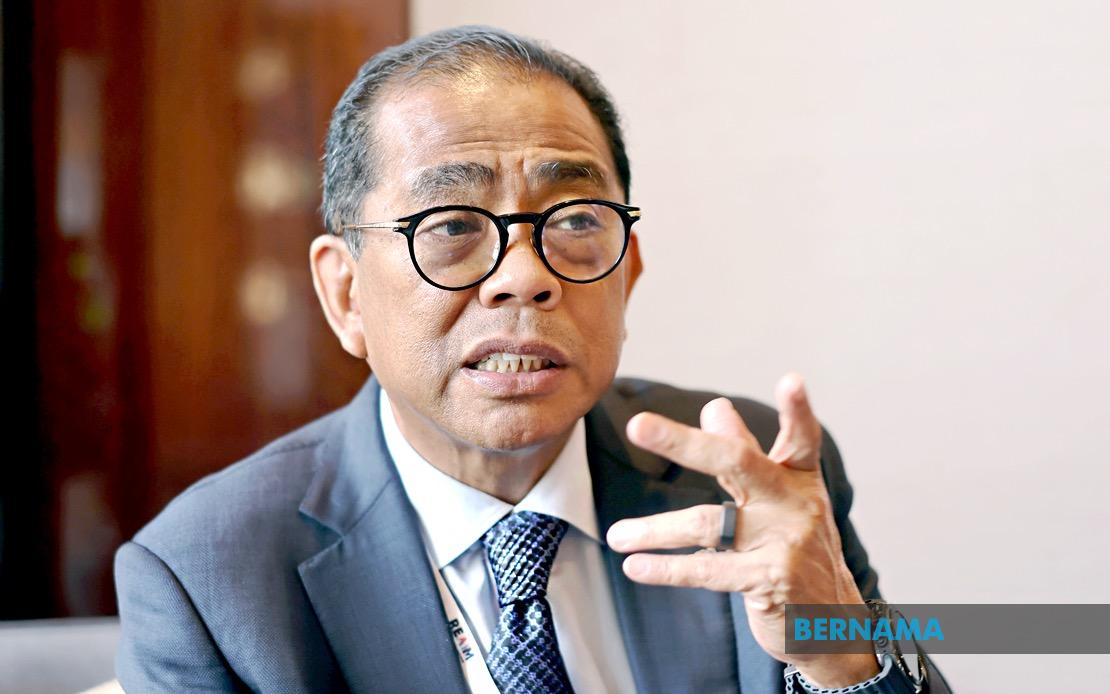
Malaysia and Vietnam are moving to deepen their defence partnership, with both nations pledging to expand cooperation across multiple military and security domains. The commitment emerged during Defence Minister Datuk Seri Mohamed Khaled Nordin's official visit to Vietnam this week, where he held substantive talks with Vietnamese Minister of National Defence Gen Phan Van Giang. The visit signals the ongoing momentum in bilateral defence relations, particularly following the formal signing of a Defence Cooperation Memorandum of Understanding in November 2023, which established the institutional framework for expanded military collaboration between the two Southeast Asian neighbours.
The scope of defence cooperation outlined during the meeting extends well beyond traditional military exchanges. Both sides discussed concrete mechanisms for bilateral military training programmes, reflecting a desire to build operational interoperability and professional development among their respective armed forces. Intelligence sharing arrangements represent another critical dimension, enabling both nations to develop a more coordinated approach to regional security challenges. Maritime domain awareness initiatives are particularly significant given the geographical realities facing both countries, which maintain extensive maritime zones and face overlapping interests in the South China Sea. These discussions also encompassed submarine rescue operations, an increasingly specialised capability that requires sustained coordination and joint training exercises to maintain effectiveness during potential emergencies.
Innovative sectors featured prominently in the bilateral agenda. The inclusion of artificial intelligence in defence cooperation reflects a broader recognition across Southeast Asia that emerging technologies will shape future security architectures. Defence industry collaboration offers both nations opportunities to develop indigenous capabilities and reduce dependency on external suppliers, while creating economic benefits through technology transfer and joint manufacturing ventures. These initiatives underscore how contemporary defence partnerships operate far beyond traditional hardware procurement, extending into the technological and industrial ecosystems underpinning national security.
Mohamed Khaled proposed strengthening the institutional architecture through which Malaysia and Vietnam coordinate defence initiatives. He advocated enhancing the High-Level Committee mechanism to ensure that bilateral projects receive appropriate strategic oversight and are implemented with maximum effectiveness. Such institutional strengthening reflects lessons learned from defence partnerships across the region, where clear governance structures and regular high-level engagement prove essential for translating agreements into tangible operational outcomes. The proposal demonstrates Malaysian recognition that sustaining momentum in defence cooperation requires dedicated organisational capacity.
Regional strategic developments, particularly the contested waters of the South China Sea, provided essential context for the bilateral discussions. Mohamed Khaled emphasised that Malaysia remains committed to resolving maritime disputes through dialogue, diplomatic channels, and adherence to international law rather than coercive measures. Both nations expressed support for finalising an effective and meaningful Code of Conduct that would establish clear rules governing behaviour in contested areas. This positioning reflects the delicate balance Southeast Asian nations must maintain, seeking stability while avoiding direct confrontation with major powers whose interests intersect in regional waters.
The Defence Minister reaffirmed Malaysia's commitment to ASEAN unity, strategic autonomy, and the Association's central role in maintaining regional peace and stability. This emphasis carries particular weight given the complex geopolitical environment surrounding the organisation, where external powers seek to expand influence while internal disagreements occasionally emerge regarding how ASEAN should navigate great power competition. Malaysia's insistence on ASEAN centrality reflects a strategic judgment that collective action through regional institutions serves Malaysian interests better than bilateral arrangements alone, particularly when addressing transnational security challenges that require coordinated responses.
The visit commenced with Mohamed Khaled paying courtesy calls on Vietnamese leadership, beginning with Prime Minister Le Minh Hung. These high-level courtesies establish political weight behind defence discussions and signal to domestic and international audiences that both governments prioritise the relationship. The discussions with Vietnamese leadership focused specifically on technical cooperation mechanisms, including coordination of military training courses for officers from both nations. Such educational exchanges build personal relationships between military professionals, creating networks of understanding and trust that often prove invaluable when crises emerge requiring rapid coordination between defence establishments.
Maritime security enhancement featured as a central theme throughout the bilateral discussions, reflecting shared concerns about piracy, trafficking, and other transnational challenges affecting sea lanes vital to both nations' prosperity. Malaysia and Vietnam recognise that developing coordinated maritime operations capacities and intelligence sharing regarding threats in shared waters represents mutual benefit. This focus on practical maritime cooperation demonstrates how defence partnerships increasingly address non-traditional security challenges alongside conventional military concerns.
Both Malaysia and Vietnam reaffirmed their commitment to the ASEAN Defence Ministers' Meeting and ADMM-Plus frameworks, signalling that bilateral cooperation complements rather than displaces multilateral engagement. These platforms enable smaller Southeast Asian nations to address shared concerns collectively and maintain voice in broader regional strategic discussions. By strengthening bilateral defence relations while maintaining robust participation in multilateral forums, Malaysia and Vietnam model an approach that balances tailored partnerships with inclusive regional mechanisms.
The Defence Ministry linked the visit explicitly to Malaysia's National Defence Strategic Plan 2026-2030, particularly the core focus on strengthening international defence relations to ensure national sovereignty. This connection demonstrates how individual bilateral visits fit within broader strategic planning frameworks. The ministry characterised the defence diplomacy as supporting the Defence White Paper's emphasis on competent partnership, framing enhanced Vietnam cooperation as instrumental to advancing Malaysia's comprehensive national security objectives, bolstering regional stability, and contributing to global peace architecture.
The timing of this engagement reflects Malaysia's recognition that Southeast Asia's security environment demands active, forward-looking diplomacy backed by credible defence capabilities. As regional powers pursue their interests with increasing assertiveness, nations like Malaysia must develop multifaceted defence relationships that provide strategic flexibility while avoiding dangerous alignments. The Vietnam partnership demonstrates this calibrated approach, offering specific operational cooperation that serves tangible national interests while maintaining Malaysia's broader strategic independence and commitment to rules-based regional order.

