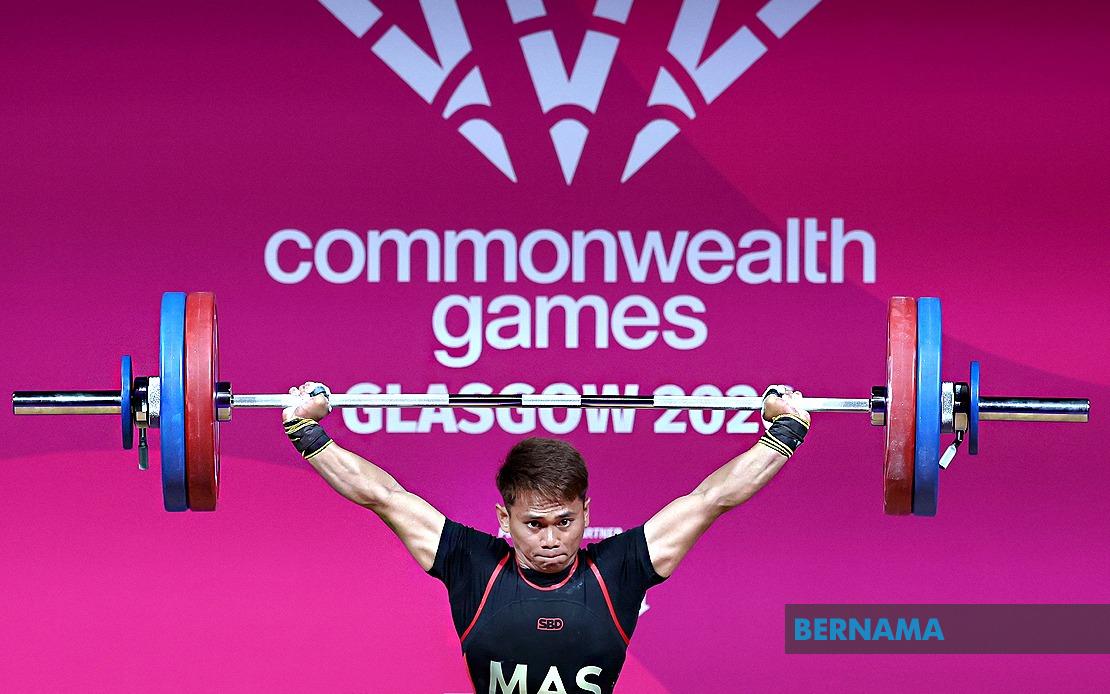
Prime Minister Datuk Seri Anwar Ibrahim has expressed Malaysia's pride following weightlifter Mohamad Aniq Kasdan's capture of the nation's inaugural gold medal at the 2026 Commonwealth Games in Glasgow, Scotland. The 24-year-old's triumph in the men's 60 kilogramme event marks a significant moment for Malaysian sport on the international stage, galvanising national sentiment as the Games continue in the Scottish city.
Aniq's dominant performance at the Scottish Event Campus Armadillo venue saw him amass a combined lift of 273 kilogrammes, comprising 121 kilogrammes in the snatch discipline and 152 kilogrammes in the clean and jerk. This total shattered the existing Commonwealth Games record for the category, underscoring the quality of his technical execution and physical conditioning. The achievement reflects years of dedicated training and the rigorous preparation that underpins Malaysia's weightlifting programme, which has increasingly established itself as a competitive force within the Commonwealth sports framework.
The Malaysian weightlifter's superior performance proved decisive against formidable international opposition. India's Rishikanta Singh Chanambam secured the silver medal with a combined lift of 264 kilogrammes, whilst Kenya's Joshua Amunga Mboya claimed bronze with 260 kilogrammes. The substantial margin of Aniq's victory, particularly his Games record-setting performance, demonstrates technical proficiency and consistency across both the explosive snatch movement and the more complex clean and jerk technique required in weightlifting competition.
Through his social media statement, Prime Minister Anwar emphasised that Mohamad Aniq's success represents not merely an individual achievement but a source of collective national pride. The timing of Malaysia securing its opening gold medal early in the Games calendar carries particular symbolic weight, establishing positive momentum for the broader Malaysian contingent competing across multiple sporting disciplines. Such early success often generates psychological benefits for subsequent competitors, fostering confidence and heightened motivation throughout the Games period.
The Premier's message extended beyond mere congratulation, deliberately positioned to inspire other Malaysian athletes competing at Glasgow. Anwar's invocation of "the entire country's prayers" represents a rhetorical strategy that contextualises individual athletic performance within broader national identity and unity, a characteristic approach within Malaysian political discourse that links sporting achievement to state legitimacy and national well-being. This framing elevates Aniq from the status of isolated champion to representative of Malaysian excellence and capability on the international athletic arena.
Weightlifting occupies a particularly significant niche within Malaysia's Commonwealth Games strategy. Unlike sports commanding broader spectator interest domestically, weightlifting requires sustained institutional investment in athlete development, coaching expertise, and specialised training facilities. The success in this technical discipline signals effective resource allocation and the maturation of Malaysian sporting infrastructure in specialised categories where competitive advantage derives from systematic preparation rather than amateur participation. Aniq's victory validates this investment approach.
The Commonwealth Games framework itself provides Malaysia with opportunities to establish athletic credentials and secure medals across categories where it can field competitive performers without needing to contend with the full spectrum of global superpowers that participate in Olympic competition. For smaller nations within the Commonwealth, the Games represent crucial platforms for international recognition and the cultivation of winning traditions that subsequently attract coaching talent, sponsorship, and athlete recruitment. Malaysia's positioning within this ecosystem benefits from consistent medal acquisition across multiple disciplines.
Mohamad Aniq's performance also carries implications for the broader Southeast Asian sporting context. The region increasingly competes for athletic excellence and international sporting legitimacy, with each national success contributing to regional standing within global sports hierarchies. Malaysian achievement in technical disciplines like weightlifting demonstrates competitive capacity beyond football, badminton, and other sports where the nation has traditionally established dominant positions. This diversification strengthens Malaysia's profile within international sports governance and attracts enhanced investment from global sporting bodies.
Looking forward, Prime Minister Anwar's explicit encouragement for Malaysian athletes to pursue additional medals suggests institutional expectation of further success throughout the Glasgow Games. Such public statements create performance pressure but also signal governmental commitment to supporting athletics and athletes pursuing international competition. The psychological impact of leadership endorsement extends beyond symbolic value, often translating into enhanced funding allocations, media attention, and public recognition that sustain athlete motivation across their competitive careers.
Mohamad Aniq's achievement at age 24 positions him as a potential cornerstone of Malaysia's weightlifting programme for subsequent Olympic cycles and Commonwealth competition. The Games record he established provides a benchmark for future performance whilst establishing his credentials as an international competitor of genuine calibre. As Malaysia continues competing at Glasgow, this opening gold medal provides both immediate credibility and a narrative foundation from which the nation's broader athletic ambitions can develop and build momentum across the remaining competition period.

