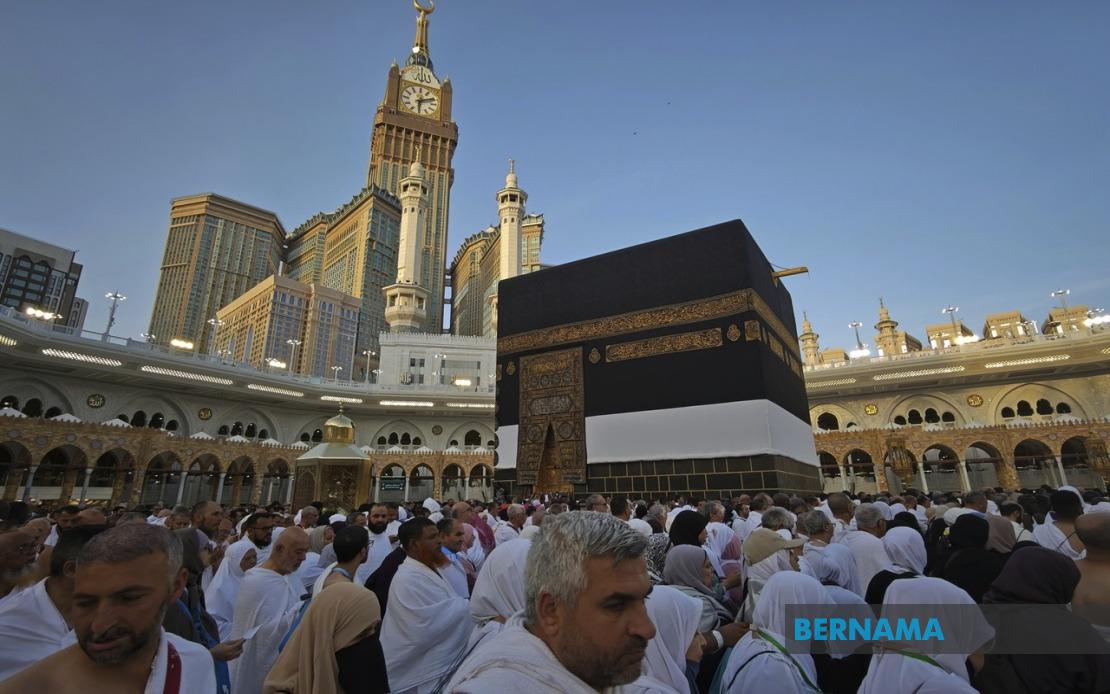
Malaysia's diplomatic mission in Saudi Arabia moved swiftly to counter misleading claims circulating online, with the Consulate General of Malaysia in Jeddah issuing a formal statement on Sunday to clarify that every Malaysian haj pilgrim from the 1447H/2026 season had completed their journey home. The announcement addressed widespread speculation on social media suggesting that some participants remained stranded in the kingdom, potentially facing difficulties or delays in their return.
The consulate's statement carried particular significance given the sensitive nature of haj operations and the natural concern families experience when pilgrims travel to perform the annual Islamic obligation. By explicitly confirming that "there are no Malaysian haj pilgrims remaining in Saudi Arabia under the 1447H/2026 haj operations," the mission provided definitive reassurance to the Malaysian public and the families of those who had undertaken the pilgrimage.
According to the official clarification, all returning pilgrims adhered strictly to the repatriation schedule established by the Pilgrims Fund Board, commonly known as Tabung Haji. This adherence to established timelines reflects the coordination between Malaysian authorities and the fund board, which manages haj logistics for the majority of Malaysian pilgrims. The organization of such large-scale pilgrimages demands meticulous planning, involving flight schedules, health screenings, and documentation processing across multiple countries.
The emergence of unverified claims on social media highlights a broader challenge facing governments and official institutions across Southeast Asia: combating the rapid spread of misinformation during critical periods when public concern runs high. Social media platforms enable instantaneous dissemination of information, but without verification mechanisms, false reports can circulate widely before corrections reach audiences. The consulate's response demonstrates the importance of official bodies maintaining active communication channels to address public anxieties promptly.
Tabung Haji plays a central role in Malaysia's haj management system, serving as both a financial coordinator and administrative overseer for pilgrims. The fund maintains strict protocols for pilgrim welfare, including pre-departure briefings, on-ground support in Saudi Arabia, and carefully orchestrated return procedures. The successful completion of repatriation for the entire 1447H/2026 cohort represents the culmination of months of preparation and coordination among multiple agencies.
The consulate's statement included explicit guidance for the public to rely exclusively on official sources for information regarding haj operations and pilgrim welfare. This recommendation reflects international best practices in crisis communication and public information management. In an environment saturated with unverified reports, directing citizens toward authoritative channels helps establish clear information hierarchies and reduces the amplification of false narratives.
Malaysia's haj operations serve approximately 31,000 pilgrims annually, making it one of the largest organized pilgrim contingents globally. The 1447H/2026 season represents one of many annual cohorts managed through sophisticated logistics systems involving coordination with Saudi Arabian authorities, Malaysian immigration services, health departments, and religious affairs bodies. The scale of these operations means that even minor delays or complications can generate public concern, particularly when family members await confirmation of their loved ones' safe arrival.
The timing of the consulate's denial, issued within days of the alleged social media claims, demonstrates the responsiveness of Malaysia's diplomatic apparatus in managing public perception during sensitive periods. Rapid clarification prevents false narratives from becoming entrenched in public consciousness and protects confidence in official institutions responsible for pilgrim welfare. For Malaysian families awaiting returning pilgrims, official confirmation provides essential peace of mind.
Beyond the immediate clarification, this episode underscores broader themes relevant to Southeast Asian governments managing religious tourism and large-scale citizen movements abroad. As digital literacy varies across populations and social media reaches increasingly diverse demographics, distinguishing authoritative information from speculation becomes progressively more challenging. Malaysian authorities' proactive approach in this instance exemplifies how governments can leverage official channels to maintain transparency and public trust.
The successful return of all 1447H/2026 participants also reflects robust pre-departure preparation and medical screening protocols that Tabung Haji implements to minimize health complications and travel difficulties. Pilgrims undergo comprehensive health assessments, receive briefing materials about journey procedures, and benefit from dedicated ground support throughout their stay in Saudi Arabia. These systematic approaches contribute to the safe completion of pilgrimages for tens of thousands of Malaysians annually.
Going forward, the consulate's emphasis on consulting official sources rather than relying on unverified social media claims carries important lessons for public communication during future haj seasons. Establishing clear communication protocols, designating official spokespersons, and maintaining active social media presence allow authorities to shape public narrative while maintaining credibility. For Malaysian citizens and their families, this incident reinforces the importance of verifying information through recognized government channels before sharing or acting upon claims regarding haj operations.
The 1447H/2026 haj season's successful conclusion, marked by on-time repatriation of all Malaysian participants, validates the management frameworks and coordination mechanisms that Tabung Haji and related government bodies have developed over decades. As Malaysia continues to facilitate hundreds of thousands of pilgrims traveling abroad for religious purposes, maintaining these operational standards while effectively communicating with the public remains essential for sustaining confidence in national institutions.

