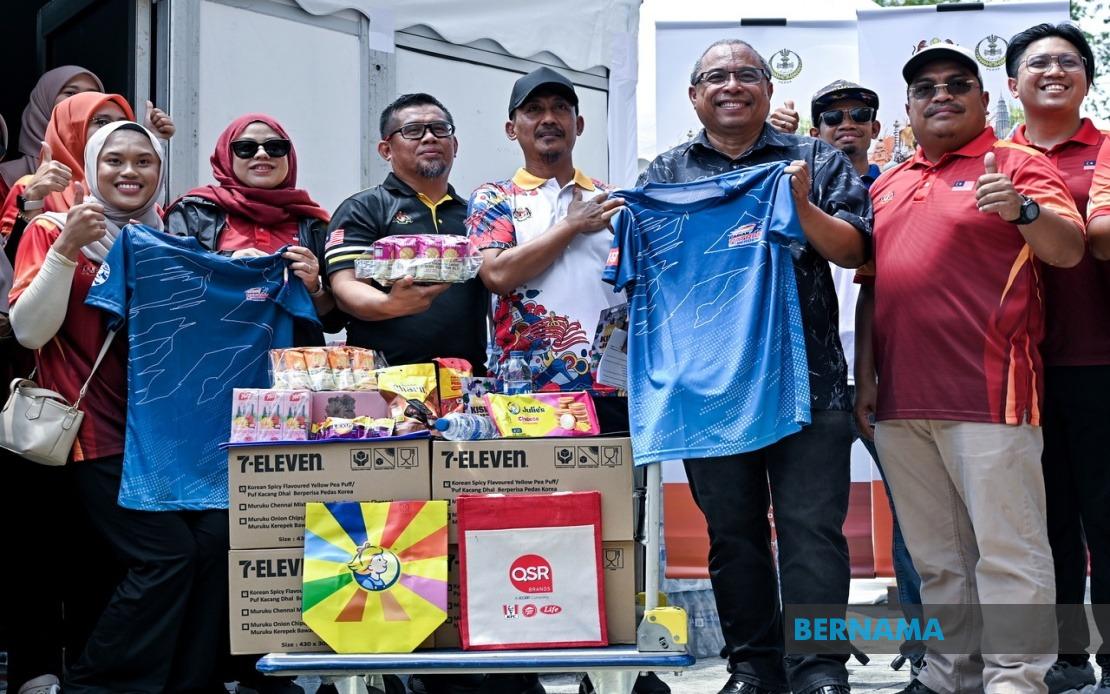
Malaysia's 2026 National Day and Malaysia Day celebrations are poised to deliver an expansive array of patriotic programming, organisers announced following the formal launch of the National Month Celebration and Jalur Gemilang Flag-Waving Campaign at an event in Ipoh today. The initiative, which kicks off tomorrow with Prime Minister Datuk Seri Anwar Ibrahim officiating a major ceremony, aims to harness widespread enthusiasm for independence observances through carefully curated activities designed to deepen national sentiment among Malaysians.
The Communications Ministry's Senior Undersecretary (Management) Datuk Aminurrahim Mohamed, serving as working secretary for the main HKHM 2026 committee, outlined plans for several signature programmes intended to capture public imagination and sustain momentum throughout the celebration period. Among the centrepieces are Kembara Bahasa HKHM 2026 and RIUH Merdeka, both anchoring a countdown initiative that will build anticipation toward the official anniversary dates. These programmes represent a deliberate strategy to extend engagement beyond the traditional single-day commemoration framework, ensuring patriotic messaging permeates Malaysian society across an extended calendar.
While officials have maintained strategic discretion about the full programme scope, hinting at undisclosed elements designed to generate surprise and delight, the Communications Ministry confirmed that the Qur'an Hour programme will continue as an established annual fixture. The decision to withhold certain details reflects a calculated approach to manage public interest and maintain the novelty factor that keeps celebrations fresh and engaging for repeat audiences. This balancing act between predictability and surprise has become increasingly important as Malaysians develop expectations around these recurring national observances.
Officials emphasised that citizens should actively participate in patriotic expression by displaying the Jalur Gemilang and playing national songs during the month-long period. Beyond these tangible demonstrations, Datuk Aminurrahim stressed the spiritual and philosophical dimensions of the celebration, urging Malaysians to unite in prayer for national peace, prosperity, and continued harmony. This multidimensional approach—combining visible symbols, audio-visual content, and religious reflection—seeks to engage Malaysians across diverse backgrounds and belief systems within a shared national framework.
The financing architecture for HKHM 2026 has strengthened substantially through robust private sector participation. Fifteen corporate entities have committed sponsorship support for the Ipoh programme alone, signalling broad business community confidence in the celebrations' cultural and commercial value. Major contributors include logistics provider J&T, convenience retailer 7-Eleven, coffee chain ZUS Coffee, and QSR Brands, which collectively represent retail, hospitality, and logistics sectors fundamental to Malaysia's economy. Such diversified sponsorship coverage ensures the celebrations can maintain the high production standards and scale achieved in previous iterations.
Datuk Aminurrahim disclosed that current sponsorship commitments have either matched or exceeded the previous year's financial support, indicating sustained corporate appetite for association with national commemorations. This positive trajectory addresses potential concerns about funding stability in an economic environment where discretionary spending faces scrutiny. For businesses, alignment with patriotic programming offers branding opportunities and demonstrates corporate citizenship through visible contribution to national identity-building exercises.
The official launch ceremony tomorrow will unfold as a major public spectacle, commencing at 10 am with Prime Minister Datuk Seri Anwar Ibrahim providing ceremonial oversight. The event structure incorporates the Patriot Merdeka Run, a physical activity designed to energise participants and generate grassroots enthusiasm. The centrepiece performance will feature the launch of the official HKHM 2026 theme song, performed by a prominent Malaysian male vocalist before an anticipated audience of approximately 3,000 attendees.
Broad media coverage will amplify the ceremony's reach far beyond the physical venue. Radio Televisyen Malaysia, the Malaysian National News Agency (Bernama), and digital platforms including the Merdeka360 Facebook page, Communications Ministry social media channels, and the Information Department's digital presence will livestream proceedings. This multimedia dissemination strategy ensures accessibility for Malaysians unable to attend in person, while simultaneously creating multiple touchpoints for engagement across traditional broadcast and social media ecosystems.
The celebration framework reflects broader policy objectives around fostering cohesive national identity at a moment when Malaysia navigates complex demographic, religious, and socioeconomic dynamics. By channelling corporate resources, government institutional capacity, and grassroots participation into concentrated programming, authorities seek to reinforce unifying narratives around shared independence heritage and collective national purpose. The 2026 observances thus serve as both commemoration and nation-building exercise, leveraging the emotional resonance of independence anniversaries to advance contemporary social cohesion goals.
For regional observers, Malaysia's approach to National Day and Malaysia Day celebrations offers insights into how Southeast Asian democracies orchestrate patriotic programming in increasingly mediated environments. The integration of corporate sponsorship, multi-platform broadcasting, physical community activities, and religious reflection demonstrates sophisticated understanding of contemporary engagement mechanisms. As other ASEAN nations continue refining their own independence commemoration strategies, Malaysia's 2026 framework—with its emphasis on surprise elements, extended engagement periods, and diversified participation channels—may serve as a model for scaling patriotic observances beyond traditional ceremonial formats.

