Malaysia's Department of Information (JAPEN) is preparing a series of interactive community-based initiatives to energise the 2026 National Month and Malaysia Day celebrations, marking a deliberate shift toward grassroots engagement rather than large-scale spectacle. The programmes, which adopt what officials term a "moderate concept," will be delivered through mobile units positioned at strategic locations across the country, ensuring that patriotic messaging reaches diverse population segments regardless of geographic proximity to major urban centres. This decentralised approach reflects a growing recognition among government communications agencies that national pride is best fostered through direct community participation rather than centralised events alone.
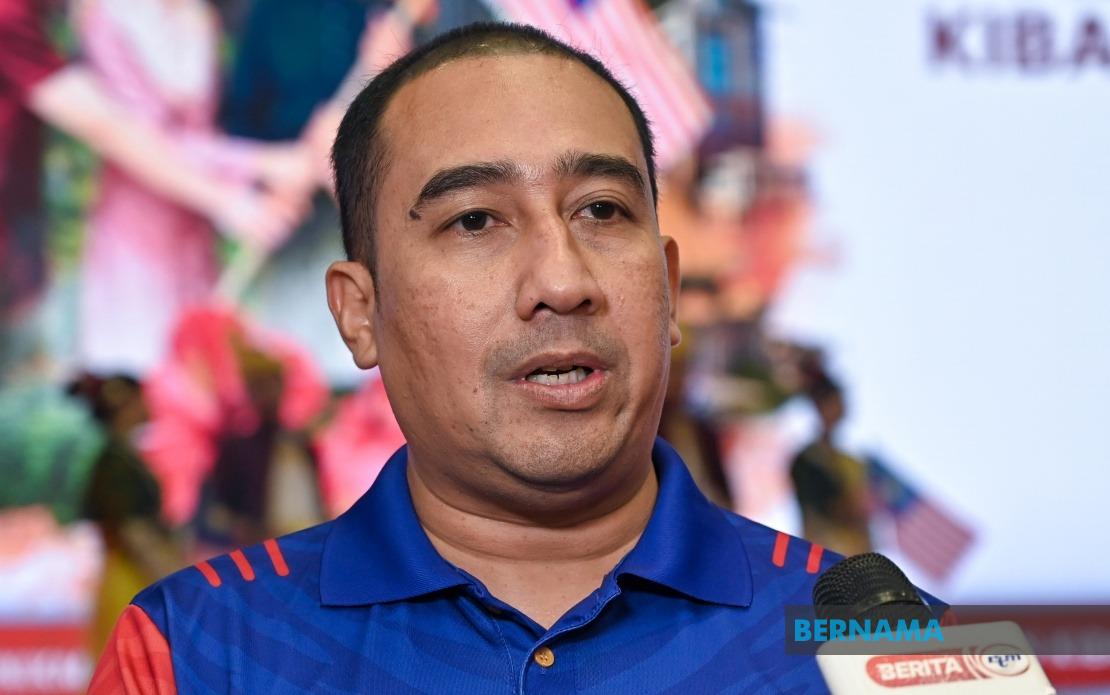
Muhammad Najmi Mustapha, director of JAPEN's Communication Services and Community Development Division, outlined the strategy during an inspection of rehearsals for the 2026 National Day and Malaysia Day launch ceremony in Ipoh. Despite the scaled-back scope compared to previous years' celebrations, he emphasised that the programming will compensate through variety and relevance to local contexts. The mobile units will operate at carefully selected checkpoints, places of worship, and sports facilities, creating multiple touchpoints where citizens can engage with patriotic activities without requiring travel to centralised venues. This distribution strategy carries particular significance for Malaysian citizens in smaller towns and rural areas, where participation barriers often prevent engagement with national celebrations.
A cornerstone of this year's initiatives is the expanded 1 House 1 Jalur Gemilang (1R1JG) campaign, which previously operated across seven distinct clusters encompassing industry, education, security, health, government agencies, higher education, and community organisations. The 2026 iteration adds two new clusters—places of worship and sports premises—fundamentally broadening the campaign's institutional reach. This expansion reflects deliberate targeting of spaces where Malaysians congregate for non-political purposes, potentially allowing the flag-flying initiative to resonate more naturally within existing social structures rather than feeling imposed through top-down governmental channels.
Through the 1R1JG campaign, JAPEN will distribute flag kits to participating communities while simultaneously offering contributions to religious institutions and facilitating joint flag-raising ceremonies. Mohd Haizul Hod, director of JAPEN's Media and Corporate Communication Division, characterised this expansion as ensuring "more comprehensive" flag-flying practices across Malaysian society. The inclusion of places of worship is particularly noteworthy in Malaysia's multi-religious context, signalling governmental intent to position patriotic expression as compatible with, rather than separate from, religious observance. Similarly, incorporating sports venues taps into the grassroots enthusiasm that sporting activities generate, potentially channelling that energy toward national pride.
The formal launch of Malaysia Day 2026 celebrations will occur at Dewan Sri Perdana, Sultan Azlan Shah Ministry of Health Training Institute (ILKKM SAS) in Tanjung Rambutan, with Prime Minister Datuk Seri Anwar Ibrahim scheduled to officiate. This venue selection, in Perak rather than Kuala Lumpur, underscores the decentralised approach characterising this year's celebration strategy. The launch ceremony will feature a morning Merdeka Patriot Run, establishing a participatory element before formal proceedings commence. Notably, the hoisting of the Jalur Gemilang by security forces will resume following a two-year hiatus, suggesting that previous practical or political considerations necessitated the temporary discontinuation of this symbolic practice.
The launch ceremony itself will be staged at 10 am with substantial multimedia presence, broadcasting live across multiple platforms including Radio Televisyen Malaysia (RTM), Bernama, Merdeka360 Facebook Live, the Ministry of Communications, and JAPEN's own channels. This multi-platform approach acknowledges the fragmented media consumption patterns among contemporary Malaysian audiences, ensuring that citizens without access to traditional broadcast television can still participate in the national moment. The simultaneous deployment across diverse digital and traditional platforms also enables greater geographical reach, allowing Malaysians abroad to engage with the ceremony in real-time.
Organisers anticipate approximately 3,000 attendees at the launch event, including members of the MADANI Community drawn from across the country. This figure represents a substantial but deliberately circumscribed gathering, consistent with the "moderate scale" framing articulated by JAPEN officials. The specific inclusion of MADANI Community representatives suggests intentional segmentation of participation, with government agencies appearing to prioritise engagement from pre-identified civic groups rather than seeking the broadest possible public attendance. This selective approach may reflect logistical considerations or a preference for structured audience management, though it potentially limits the spontaneous grassroots participation that mass public events might otherwise generate.
The inclusion of a dedicated theme song for HKHM2026, to be launched during the ceremony, represents an attempt to create memorable cultural touchstones associated with the celebrations. Music functions as a powerful tool for patriotic messaging, operating at emotional rather than purely informational levels. A theme song can be widely distributed through digital platforms, achieving cultural penetration beyond those attending formal ceremonies. This artistic dimension complements the structural and programmatic elements of the celebrations, suggesting a recognition that patriotic sentiment requires multisensory and emotional reinforcement alongside institutional activities.
For Malaysian policymakers and communications professionals, the 2026 approach encapsulates a particular philosophy regarding national celebrations in the contemporary period. Rather than attempting to mobilise mass gatherings in the tradition of earlier decades, JAPEN appears to be betting that distributed, locally-rooted initiatives may more effectively cultivate sustained patriotic engagement. Whether this represents a pragmatic adaptation to contemporary social conditions, a response to resource constraints, or a deliberate ideological choice remains unclear from available statements. Nonetheless, the strategy suggests that Malaysia's governmental communications apparatus views the cultivation of patriotic sentiment as an ongoing, community-embedded process rather than something that can be achieved through sporadic, centralised spectacles. For Southeast Asian observers, this approach may offer instructive lessons regarding how governments can maintain national identity messaging in contexts of geographic dispersal, religious diversity, and increasingly fragmented public spheres.

