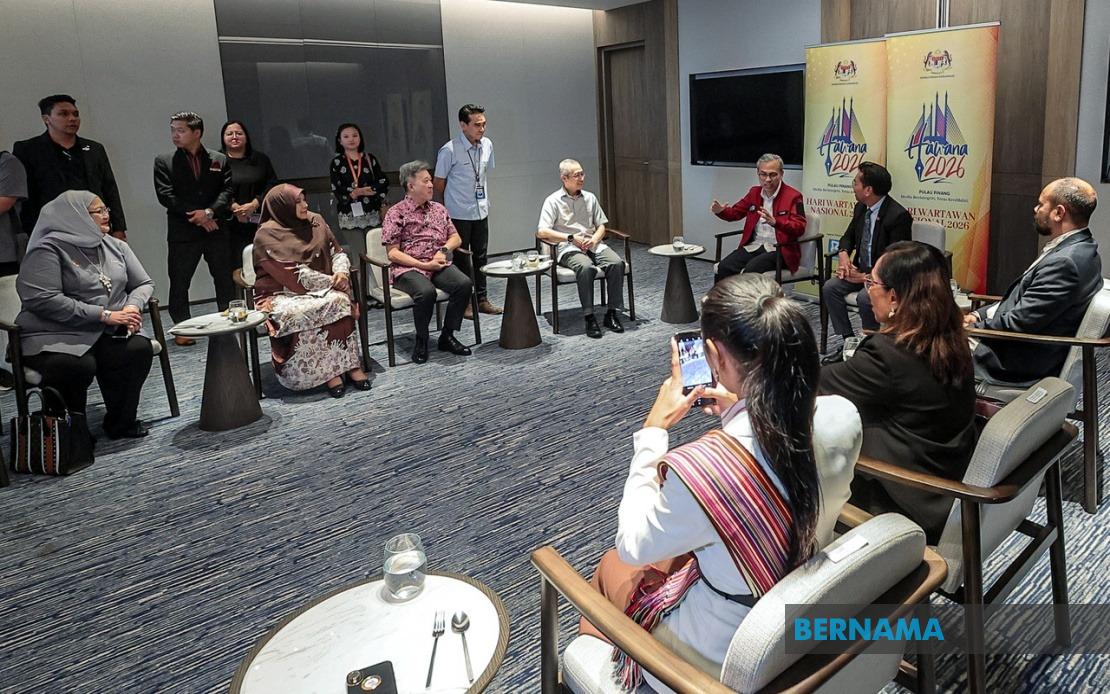
Communications Minister Datuk Fahmi Fadzil has initiated plans to deepen Malaysia's media engagement with Timor-Leste, signalling a regional diplomatic push that extends beyond traditional political channels into the crucial realm of information and press relations. The minister outlined his vision during discussions with a high-level Timor-Leste delegation led by Secretary of State for Social Communication Expedito Loro Dias Ximenes at the HAWANA 2026 media conference in Butterworth on June 20, with the talks underscoring both nations' commitment to strengthening institutional connections in an increasingly complex Southeast Asian media landscape.
The proposed collaboration framework centres on leveraging Malaysia's established media infrastructure and expertise to support Timor-Leste's developing communications sector. Fahmi indicated that Bernama, the Malaysian National News Agency, and Radio Televisyen Malaysia (RTM) would serve as primary institutional partners, facilitating direct cooperation with their Timorese counterparts at Agencia Noticiosa de Timor-Leste (TATOLI). This bilateral channel aims to foster knowledge exchange and operational synergies that could benefit journalists and media practitioners across both nations, particularly in training and technical capacity-building.
Central to the Malaysian initiative is the proposed role of the Tun Abdul Razak Broadcasting and Information Institute (IPPTAR), which Fahmi suggested should host structured training programmes for Timorese journalists. Such exchange programmes represent a tangible dimension of cooperation beyond symbolic diplomatic gestures, offering practical professional development that could enhance reporting standards and journalistic practices in Timor-Leste while simultaneously building regional media networks. The institute's involvement reflects Malaysia's position as an established media hub with institutional experience and technical resources that developing nations in the region can draw upon.
During the ministerial meeting, both leaders engaged in substantive discussion regarding Timor-Leste's remarkable performance in the World Press Freedom Index compiled by Reporters Without Borders (RSF), a global barometer of media autonomy and journalistic independence. Timor-Leste currently ranks first in Southeast Asia and 30th globally out of 180 countries assessed, a distinction that places the emerging nation ahead of more economically developed regional peers. This standing is particularly noteworthy given Timor-Leste's relatively recent emergence as an independent state and the fragility of its institutional frameworks, suggesting effective governance decisions around media freedom have taken root despite developmental challenges.
The press freedom rankings have emerged as an implicit catalyst for Malaysia's diplomatic overture, with Fahmi acknowledging during the meeting that Malaysia currently occupies second place within Southeast Asia on the RSF index, positioned behind Timor-Leste. This comparative positioning carries political weight, as the MADANI Government has made improvements to Malaysia's ranking a measurable objective, seeking to demonstrate tangible progress on democratic governance metrics. The minister characterised the trajectory positively, noting that Malaysia's standing has improved substantially over the preceding three to four years relative to previous administrations, reflecting a deliberate policy shift toward greater media transparency and reduced restrictions.
Fahmi's candour about Malaysia's press freedom ranking signals a notable rhetorical shift in official discourse, wherein government officials directly engage with international assessments rather than dismissing them outright. This pragmatic acknowledgement suggests the MADANI Government views World Press Freedom Index performance as a legitimate indicator of institutional health and democratic maturity. By framing Malaysia's current position as a foundation for continued improvement rather than a final destination, the minister articulates an iterative approach to press freedom enhancement, positioning the government as responsive to international standards while maintaining sovereignty over domestic media policy.
The underlying implication of Malaysia's media cooperation initiative with Timor-Leste extends beyond bilateral relations into the broader Southeast Asian context. By positioning itself as a mentor and partner to Timor-Leste's media institutions, Malaysia projects regional leadership in media development and journalistic standards, particularly valuable given the nation's own navigation of balancing state interests with media autonomy. The partnership framework also reflects recognition that regional media challenges—including disinformation, polarisation, and institutional capacity constraints—transcend borders, making collaborative approaches more effective than isolated national strategies.
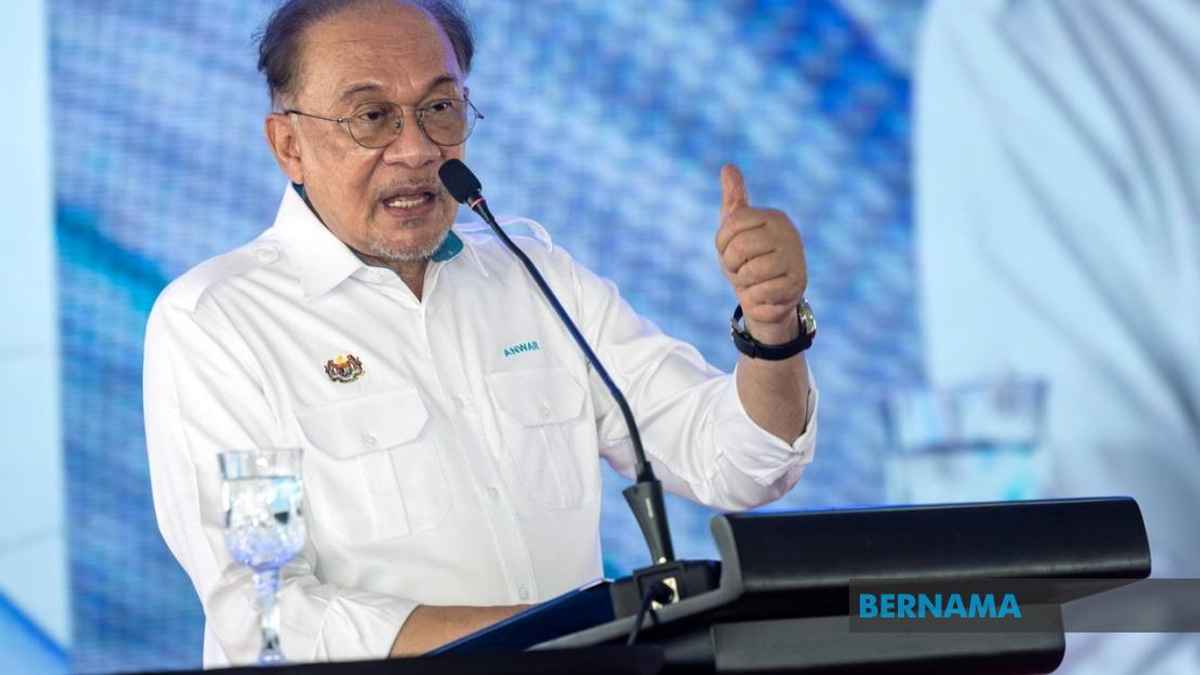
The timing of these discussions at HAWANA 2026, the sixth iteration of a conference convening approximately 1,000 local and international media practitioners, underscores the event's significance as a platform for substantive regional media dialogue. The conference's theme, 'Media Integrity Strengthens Credibility', directly resonates with both nations' apparent priorities, offering intellectual scaffolding for discussions about professional standards, institutional independence, and ethical journalism practice. Prime Minister Datuk Seri Anwar Ibrahim's scheduled address at the conference provides governmental endorsement for media integrity initiatives, signalling that the administration views press freedom enhancement as aligned with broader MADANI development objectives.
The Timor-Leste delegation's presence in Malaysia, including participation by TATOLI leadership under president Noemio Mateus Soares Falcao and deputy president Madalena DE JCP Carlos, reflects institutional-level commitment to exploring partnership opportunities. These are not courtesy visits but substantive engagements involving senior communications officials and media executives positioned to implement cooperative arrangements. The breadth of Malaysian officials participating—including Communications Ministry secretary-general Datuk Abdul Halim Hamzah, Bernama leadership, and broadcasting directors—demonstrates whole-of-government coordination around the initiative.
For Malaysian readers and regional observers, this development carries implications for how Southeast Asian nations are increasingly leveraging media cooperation as a diplomatic and development tool. Rather than viewing press freedom as a contentious Western-imposed standard, the MADANI Government's engagement suggests a reframing wherein improving press freedom metrics becomes compatible with national interest and regional standing. Timor-Leste's stronger ranking, despite lesser economic resources, implies that institutional choices and political will rather than wealth determine media autonomy outcomes, a lesson potentially instructive for Malaysia's own policy deliberations.
The cooperation framework also positions Malaysia to influence emerging media standards and practices in Timor-Leste during a formative period, ensuring that Bernama and RTM models gain regional acceptance and potentially become templates for broader Southeast Asian media development. This soft power dimension, wherein institutional expertise translates into political influence, represents a sophisticated approach to regional leadership that avoids overt pressure while establishing Malaysia as a trusted development partner. The initiative thus serves multiple strategic interests: genuine capacity-building support, improvement of Malaysia's international reputation for press freedom commitment, and institutional advantage in regional media architecture.
Moving forward, the success of Malaysia-Timor-Leste media cooperation will likely depend on sustained institutional commitment, adequate resource allocation, and willingness from both partners to learn across the relationship rather than merely transmit knowledge unidirectionally. The proposed training programmes through IPPTAR and direct Bernama-TATOLI partnerships offer concrete mechanisms through which cooperation can materialise into tangible professional advancement. Whether these initiatives contribute meaningfully to further improvements in Malaysia's World Press Freedom Index ranking—the implicit measure of success—remains to be determined, but the diplomatic framework now exists for testing whether international media cooperation can advance both institutional capacity and democratic governance objectives across Southeast Asia.

%22%2F%3E%3C%2Fpattern%3E%3C%2Fdefs%3E%3Crect%20width%3D%22100%25%22%20height%3D%22100%25%22%20fill%3D%22url(%23phf3lfg)%22%2F%3E%3Crect%20width%3D%22100%25%22%20height%3D%22100%25%22%20fill%3D%22url(%23phf3lfp)%22%2F%3E%3Ctext%20x%3D%2250%25%22%20y%3D%2250%25%22%20text-anchor%3D%22middle%22%20dominant-baseline%3D%22central%22%20fill%3D%22rgba(255%2C255%2C255%2C0.95)%22%20font-family%3D%22Georgia%2C%20'Times%20New%20Roman'%2C%20serif%22%20font-weight%3D%22700%22%20font-size%3D%22272%22%20letter-spacing%3D%22-0.02em%22%3EAnwar%3C%2Ftext%3E%3C%2Fsvg%3E)