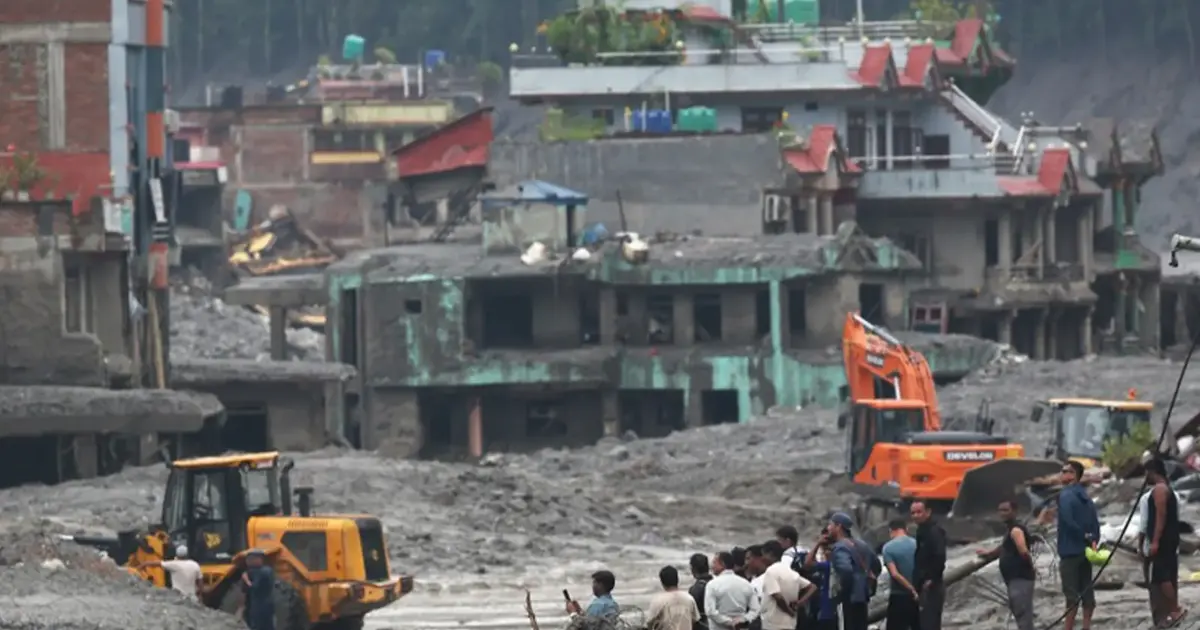
Malaysia is mobilising its specialised disaster response capabilities to assist Nepal in the aftermath of seismic activity, with Prime Minister Anwar Ibrahim announcing that the country's SMART team will be deployed to the affected nation. The commitment reflects Malaysia's humanitarian obligations within the regional community and demonstrates the government's readiness to provide immediate technical assistance during crises that transcend borders.
The decision to activate the Malaysian Emergency Response and Technical (SMART) team represents a significant gesture of regional solidarity at a time when Nepal faces substantial reconstruction challenges. Prime Minister Anwar Ibrahim has personally overseen coordination efforts with the Nepali government to facilitate the swiftest possible deployment, indicating high-level political prioritisation of the mission. This type of rapid mobilisation requires extensive advance planning, diplomatic clearance, and logistical preparation across multiple government agencies.
The SMART team comprises trained personnel equipped with specialised equipment and technical expertise in search and rescue, structural assessment, medical assistance, and humanitarian logistics. Such units are typically comprised of engineers, medical professionals, rescue specialists, and coordination officers who can operate independently in disaster zones where infrastructure may be severely compromised. The team's deployment represents Malaysia's contribution to Nepal's immediate response phase, which is critical for saving lives and preventing secondary crises such as disease outbreaks or infrastructure collapse.
Nepal's geographic vulnerability to earthquakes stems from its location along the Himalayan tectonic system, where major fault lines create recurring seismic hazards. The nation's topography and building standards have historically made earthquake impacts particularly severe, with substantial loss of life and destruction of both residential and commercial structures. Recent tremors have triggered fresh concerns about building resilience across Kathmandu Valley and surrounding districts where population concentrations remain high despite previous devastation.
The coordination process between Malaysian and Nepali authorities underscores the diplomatic mechanisms that facilitate international disaster response. Official channels must confirm the scope of assistance needed, identify specific deployment sites, arrange customs and security clearances, and coordinate with other international responders to ensure efficient resource utilisation. Such preparatory work, though often invisible to observers, determines whether external assistance genuinely alleviates suffering or creates additional burdens for overwhelmed local administrations.
Malaysia's capacity to contribute meaningful disaster relief reflects decades of institutional development following major emergencies within Southeast Asia. The country has accumulated expertise from responding to floods, earthquakes, and other calamities affecting its own territory and that of neighbouring nations. This experience base enables Malaysian teams to operate effectively in unfamiliar environments, coordinate with local authorities, and adapt protocols to specific contextual challenges that differ substantially from domestic scenarios.
The deployment also carries implications for Malaysia's regional standing and soft power positioning. Demonstrating reliable humanitarian assistance during genuine crises strengthens diplomatic relationships and reinforces Malaysia's credibility within South Asian forums. For Nepal, receiving Malaysian technical support diversifies its international assistance network and builds reciprocal relationships that may prove valuable when Malaysia faces its own natural disasters or emergencies requiring external cooperation.
Logistical considerations present substantial hurdles for effective deployment. Teams must transport equipment, secure accommodation in potentially damaged areas, establish communication systems in locations where infrastructure may be non-functional, and coordinate with existing relief efforts already mobilised by Nepali authorities and other international responders. The Prime Minister's personal involvement in expediting deployment signals determination to overcome bureaucratic obstacles and ensure Malaysian assistance arrives while rescue and immediate relief operations remain most critical.
The timing of Malaysia's response reflects evolving norms regarding international humanitarian obligation and regional responsibility. As a middle-income country with established technical capabilities, Malaysia faces expectations to contribute expertise and resources when neighbouring nations face disasters. Conversely, Malaysia benefits from reciprocal arrangements whereby other capable nations have assisted during domestic emergencies such as the 2004 Indian Ocean tsunami or periodic flooding affecting multiple regions.
Government coordination extends beyond the Prime Minister's office to include the Ministry of Foreign Affairs, defence establishment, and emergency management agencies responsible for actual deployment operations. These institutions must work seamlessly to navigate the complex requirements of international disaster response while managing communication with the Nepali government, international organisations coordinating broader relief efforts, and Malaysian stakeholders interested in the mission's progress. The speed of deployment ultimately depends on finalising numerous technical and diplomatic details requiring substantial bureaucratic coordination.
For Malaysian observers, the SMART team deployment illustrates how national resources are mobilised for humanitarian purposes beyond domestic boundaries. It demonstrates that disaster response capacity built through domestic emergency preparedness can serve broader regional objectives. However, it also raises questions about resource allocation and whether Malaysia maintains sufficient disaster response capability for its own territory while supporting international commitments, particularly during seasons when multiple countries face simultaneous natural disasters.
The announcement of Malaysian assistance will likely encourage other regional nations to contribute their own resources, creating a coordinated international response that distributes burdens across multiple capable countries. Such coordination, though sometimes imperfect, generally produces better outcomes than isolated national efforts. Nepal's government, despite facing immediate operational pressures from earthquake response requirements, must simultaneously manage expectations from multiple international donors and coordinate diverse assistance streams into coherent reconstruction strategies.
As deployment preparations advance, the Malaysian team will join a broader constellation of international responders working alongside Nepali authorities and local communities responding to the earthquake's immediate consequences. The success of Malaysia's SMART team in contributing meaningfully to relief efforts will likely influence future regional attitudes toward Malaysian humanitarian initiatives and reinforce perceptions of Malaysia as a dependable partner during genuine crises.

