Malaysia has taken a historic step in professionalising its social welfare sector with parliament's passage of the Social Work Profession Bill 2026. The legislation, debated and approved by the Dewan Rakyat, creates a formal regulatory framework for social work that distinguishes qualified practitioners from unaccredited workers, addressing a long-standing gap in Malaysia's governance of human services. The move reflects growing recognition that social work—involving direct intervention in vulnerable populations' lives—warrants the same professional oversight standards applied to medicine, law, and engineering.
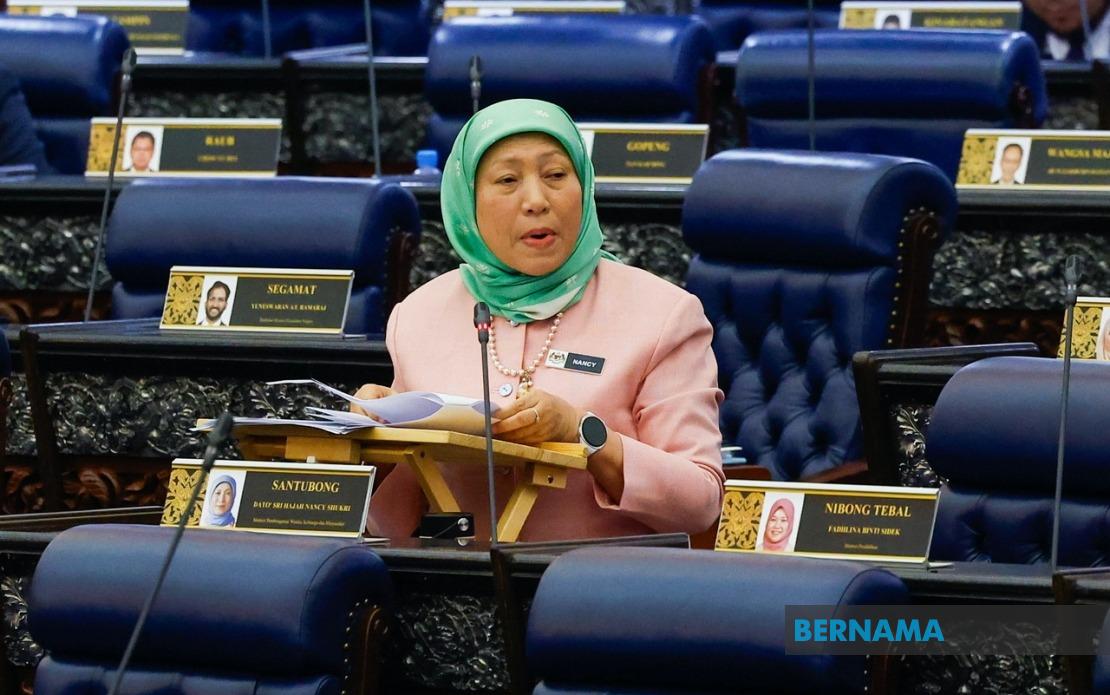
Women, Family and Community Development Minister Datuk Seri Nancy Shukri characterised the Bill's passage as vindication of the MADANI Government's broader push to strengthen institutional accountability and professional integrity across public services. Her comments underscore how the legislation fits within a wider policy agenda aimed at rebuilding public trust in government institutions through transparent competency standards and ethical frameworks. The measure also signals that Malaysia's policymakers view social work not merely as charitable work but as a skilled profession requiring standardised training, demonstrated competence, and ongoing professional development.
The legislative journey itself spanned a decade of engagement with multiple stakeholders, reflecting the complexity of achieving consensus on professional regulation in a diverse, federated system. The ministry conducted extensive consultation with federal and state government bodies, non-governmental organisations, academic institutions offering social work programmes, and practising social workers themselves. This lengthy development process, while potentially frustrating for advocates seeking faster reform, ensured the final bill incorporates diverse perspectives and addresses practical concerns from those implementing social policies at ground level.
At the heart of the new framework sits the Malaysian Social Work Profession Council, a regulatory body tasked with issuing practising certificates to qualified social workers and maintaining professional standards. The council will establish and enforce competency benchmarks, manage ethical conduct standards, and investigate complaints—functions that parallel those of professional bodies like the Malaysian Medical Council. This institutional apparatus transforms social work from an occupational field defined mainly by job titles into a closed profession where practitioners must demonstrate specific credentials before offering services to the public.
The Bill's emphasis on public verification mechanisms addresses a practical concern affecting Malaysia's social service ecosystem: citizens and organisations currently lack reliable means to confirm whether individuals claiming social work expertise possess genuine qualifications. This information asymmetry has enabled unqualified practitioners to operate, potentially harming vulnerable populations. By requiring registration and maintaining a searchable register of certified practitioners, the council creates transparency that allows clients, families, and referral agencies to make informed choices about which social workers to engage.
Demographic and social pressures underlying this legislative reform reveal deeper structural changes reshaping Malaysia's welfare landscape. The nation confronts an ageing population increasingly requiring aged care and support services, rapid urbanisation that has disrupted traditional kinship-based support networks, rising living costs that strain household budgets, and novel social challenges ranging from mental health crises to digital-age vulnerabilities. These converging trends generate heightened demand for skilled social work intervention precisely when traditional informal support systems grow weaker. Formal professionalisation helps ensure that increased service demand meets consistent quality standards rather than overwhelming an ad-hoc workforce.
The Bill's passage achieved rare bipartisan backing, with 23 members of parliament from both government and opposition benches contributing to second-reading debates. This cross-party consensus suggests that social work regulation transcends partisan divides and reflects broad parliamentary recognition of the sector's importance. The government's pledge to consider recommendations arising from parliamentary debate signals openness to refining the legislation during implementation, potentially addressing concerns raised by opposition voices without fundamentally altering the measure's architecture.
Professionalisation of social work carries implications for Malaysia's human capital development and labour market. By elevating social work to regulated professional status, the Bill is expected to attract more university graduates to the field, offer clearer career progression pathways, and enable better compensation structures justified by formal qualifications and credentials. Enhanced career prospects should encourage brighter candidates to pursue social work training, gradually raising the average skill and educational level of practitioners. This talent pipeline development matters enormously for service quality, as social work effectiveness depends heavily on practitioners' communication skills, cultural competency, emotional intelligence, and decision-making capacity.
For the non-governmental sector, which delivers substantial portions of Malaysia's social services, the Bill creates both opportunities and obligations. Regulated professional standards enable NGOs to build stronger partnerships with government agencies by assuring that contracted workers meet standardised criteria. However, implementation may impose compliance costs on smaller organisations lacking specialist human resources departments, potentially widening the gap between well-resourced NGOs and grassroots community organisations. The ministry will need to provide adequate guidance and transition support to ensure smaller service providers can adapt without being squeezed out of the ecosystem.
Regional implications merit consideration as Malaysia's professionalisation move occurs amid broader Southeast Asian trends toward social sector strengthening. Thailand, Indonesia, and Vietnam are similarly grappling with how to regulate expanding social services amid demographic change and urbanisation. Malaysia's legislative approach—establishing a dedicated council with clear authority over registration, standards-setting, and conduct regulation—offers a model that neighbouring countries may study or adapt. If implementation succeeds in raising service quality while avoiding excessive bureaucratisation, Malaysia could position itself as a regional leader in formalising social work profession standards.
Implementation challenges loom even as the Bill receives parliamentary approval. Developing detailed competency standards requires expertise and consensus-building across diverse social work specialisations—school social work, clinical social work, community development, gerontology, and others possess distinct skill requirements. The council must balance thoroughness in standard-setting against implementation timelines, as extended delays in issuing practising certificates would disrupt service delivery. Training and examination systems require careful design to ensure they validly measure competence without imposing unnecessary barriers for experienced practitioners transitioning into the regulated system.
The Bill also intersects with ongoing questions about social work's relationship to medical and mental health professions. In practice, social workers frequently collaborate with psychologists, psychiatrists, and counsellors in treating clients with complex needs. The professional regulation framework must enable smooth inter-professional collaboration while maintaining distinct boundaries and preventing scope creep where social workers assume clinical roles for which they lack training. How the Malaysian Social Work Profession Council manages these professional boundaries will influence whether regulation enhances integrated care delivery or fragments service provision.
Looking ahead, the Bill's success will ultimately be measured not by its passage but by how effectively the Malaysian Social Work Profession Council operationalises the regulatory framework. The council must establish credible, equitable standards that genuinely distinguish competent practitioners; maintain public trust through transparent complaint processes; and provide clear guidance to employers, practitioners, and service users. If executed well, the legislation promises to transform social work from an unregulated occupational field into a recognised profession with defined standards, clear accountability, and enhanced public confidence—a development with far-reaching implications for Malaysia's vulnerable populations and the broader health and welfare sector.

