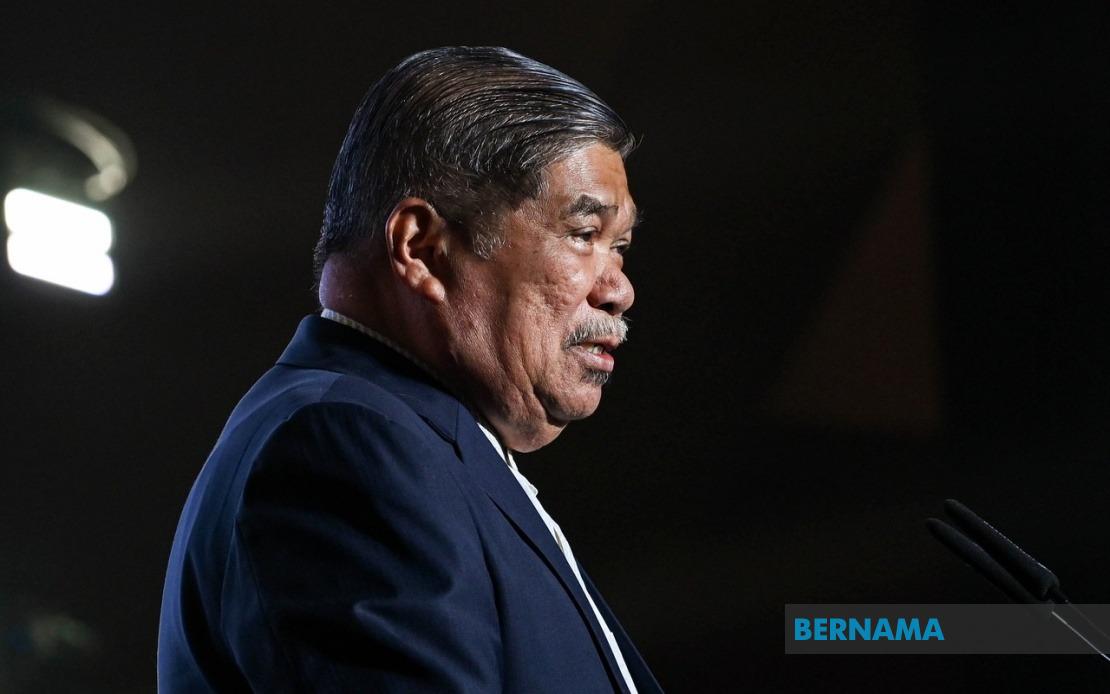
The Malaysian government is poised to reveal the results of its trade negotiations with Thailand before July concludes, according to Agriculture and Food Security Minister Datuk Seri Mohamad Sabu. The announcement will address multiple contentious issues in bilateral commerce, particularly the Thai ban on Malaysian shrimp that has persisted since 2017, as well as Malaysia's stalled bid to secure market access for livestock products across the border. These discussions mark a critical juncture in resolving trade frictions that have constrained both nations' agricultural sectors for years.
Speaking after launching the Global Animal Production and Veterinary Industry Summit (GAVIS) in Putrajaya, Mohamad Sabu indicated that bilateral negotiating teams have now reached the final stages of their deliberations. Recent visits by officials from Thailand's Ministry of Agriculture to Malaysia have accelerated progress, he noted, with planned inspection visits to Thailand forming part of the final verification phase. The minister emphasised that this particular negotiation cycle has moved faster than previous efforts to resolve similar disputes, signalling both governments' commitment to breaking the impasse.
The shrimp export ban represents perhaps the most economically damaging issue on the negotiating table. Imposed by Bangkok in 2017, the restriction has prevented Malaysian producers from accessing one of their largest regional markets at a time when Southeast Asian aquaculture has become increasingly competitive globally. For Malaysia's fishing industry, which employs thousands and contributes substantially to rural livelihoods, the ban has represented a significant economic burden, forcing producers to either redirect shipments to less lucrative markets or operate below capacity.
Beyond shrimp, Malaysia's application for market access covering livestock products remains trapped in bureaucratic limbo since 2024, suggesting that agricultural trade negotiations between the two neighbours operate on extended timelines. This delay reflects the complexity of cross-border agricultural commerce, where each nation maintains rigorous biosecurity and food safety standards that must be harmonised or mutually recognised before market access can be granted. The slow pace of these discussions frustrates exporters and policymakers on both sides who recognise the mutual economic benefits of expanded trade.
Thailand's own export restrictions have complicated the bilateral relationship further. A Thai ban on shrimp imports into Malaysia took effect in June, creating a reciprocal barrier that mirrors the Malaysian experience. Simultaneously, Thai authorities have implemented stricter inspection protocols for Malaysian seabass entering their territory, adding administrative burden and potential delays to product shipments. These overlapping restrictions have created a tit-for-tat dynamic that, while understandable from each nation's food safety perspective, ultimately constrains regional agricultural commerce.
For Malaysian consumers and businesses, resolution of these disputes carries immediate implications. Unblocking Thai agricultural imports could help moderate food price inflation, while securing better market access for Malaysian products would support farmer incomes and export earnings. The agricultural sector remains vital to Malaysia's rural economy, and trade barriers that restrict market opportunities indirectly affect urban prices and supply security. Mohamad Sabu's emphasis on both countries benefiting from a successful resolution reflects the recognition that agricultural trade is ultimately a positive-sum proposition when regulatory standards are aligned.
The timing of the anticipated announcement matters considerably. Coming as Malaysia navigates broader regional trade dynamics and seeks to strengthen economic ties with neighbouring states, a successful breakthrough with Thailand would demonstrate the government's capacity to resolve bilateral commercial disputes through patient negotiation. It would also provide momentum for addressing similar agricultural trade issues with other Southeast Asian partners, potentially establishing templates for faster resolution of future disagreements.
The Global Animal Production and Veterinary Industry Summit itself underscores the region's collaborative approach to agricultural challenges. Hosting 108 presenters including 51 international experts from China, Australia, the United Kingdom, Indonesia and Vietnam, the gathering reflects how modern agricultural sectors depend on knowledge exchange, technological innovation and multinational problem-solving. For Malaysia, such platforms serve both to showcase its capabilities and to absorb best practices from larger competitors and partners.
The convergence of formal bilateral negotiations with international industry summits suggests a holistic approach to agricultural competitiveness. As GAVIS participants discuss emerging challenges in animal production, veterinary health and food security, the Thai trade talks proceed on parallel tracks toward resolution. This multifaceted engagement indicates that Malaysian policymakers recognise agricultural trade cannot be divorced from broader questions of production standards, supply chain resilience and regional integration. Success in negotiations with Thailand would validate this integrated approach while removing constraints that currently limit the sector's growth potential across Southeast Asia.

