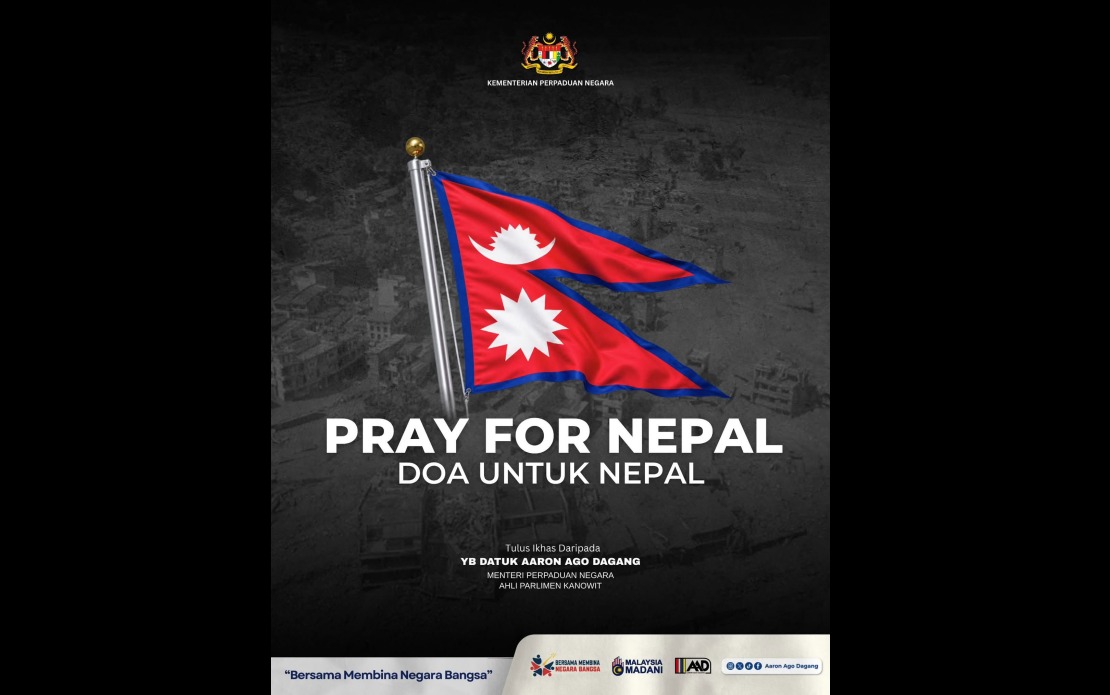
The devastating floods that struck the Rasuwa district in Nepal have prompted Malaysia's political leadership to extend official condolences and mobilise diplomatic resources to assist affected nationals. Minister of National Unity Datuk Aaron Ago Dagang conveyed the country's grief through a public statement on August 28, urging Malaysians to unite in solidarity with Nepal during this humanitarian crisis.
Datuk Aaron's compassionate appeal reflects Malaysia's traditional diplomatic approach to regional disasters, acknowledging both the immediate suffering of the Nepali population and the broader concerns affecting the Malaysian diaspora. His call for prayers and well-wishes represents an attempt to galvanise public sentiment behind government relief efforts, emphasising that Malaysia views Nepal's misfortune as a shared regional responsibility rather than an isolated incident affecting a distant nation.
The scale of Malaysia's concern became evident when authorities revealed that 57 Malaysian nationals remained uncontactable in the aftermath of the flooding. This figure, compiled from communications received by the Foreign Ministry until 11 pm on August 27, underscores the significant number of Malaysians residing in or visiting Nepal at the time of the disaster. The inability to establish contact with these individuals prompted immediate governmental action at the highest levels.
Prime Minister Datuk Seri Anwar Ibrahim swiftly directed all relevant departments to prioritise locating and assisting affected Malaysians. The directive specifically involved the National Security Council and the Ministry of Foreign Affairs, two agencies central to Malaysia's international humanitarian response machinery. This rapid mobilisation signals the seriousness with which authorities are treating the situation and demonstrates a commitment to ensuring that no Malaysian national is overlooked during the crisis.
Minister Ago Dagang's statement specifically articulated hopes that Malaysian nationals affected by the flooding would be identified promptly and able to reconnect with their families and the relevant authorities. This concern reveals an understanding that natural disasters often create communication breakdowns, where survivors may be cut off from normal channels of contact even if physically safe. By highlighting this dimension, the minister acknowledged that the government's role extends beyond disaster relief to encompassing family reunification and psychological reassurance.
The flooding in Rasuwa district represents a significant natural disaster for Nepal, a country already grappling with substantial development challenges and limited infrastructure in many regions. For Malaysia, the incident carries additional weight given the presence of its nationals in the affected areas—a presence reflecting both tourism and the presence of Malaysian workers and expatriates throughout Nepal. The disaster thus creates dual imperatives: standing in solidarity with a neighbouring nation while protecting its own citizens.
Nepal's vulnerability to such natural disasters stems from its geographical position in the Himalayan region, where monsoon seasons bring heavy rainfall that frequently triggers flooding and landslides in low-lying areas. The Rasuwa district, situated in central Nepal north of Kathmandu, is particularly susceptible to such events. For Malaysian readers unfamiliar with Nepal's geography and climate patterns, this context clarifies why such disasters recur with tragic regularity in the region.
The Malaysian government's response exemplifies the kind of coordinated diplomatic action expected when citizens face dangers abroad. The involvement of multiple government agencies ensures that information-gathering, communication with Nepali authorities, and family notification occur simultaneously across different channels. Such coordination reduces the likelihood that affected Malaysians will slip through administrative cracks during the chaotic immediate aftermath of a major disaster.
Minister Ago Dagang's invocation of prayers and solidarity carries particular resonance in Malaysia's multicultural context, where both Muslim and non-Muslim citizens understand the cultural importance of spiritual support during crises. By framing the response in universally comprehensible humanitarian terms rather than solely through religious lenses, the minister sought to unite Malaysians across religious and cultural boundaries in supporting Nepal and their fellow citizens abroad.
The situation also highlights broader regional interconnectedness within Southeast Asia and South Asia, where Malaysians increasingly live, work, and travel for business and leisure. Nepal, while less frequented than Thailand or Indonesia, nevertheless hosts Malaysian tourists, mountaineers attempting Himalayan peaks, and residents engaged in various professional pursuits. These networks of Malaysian presence across the region mean that natural disasters in Nepal have direct ramifications for Malaysian families and communities.
As authorities continued efforts to contact the 57 unaccounted Malaysians, the government faced the delicate task of maintaining public calm while avoiding reassurances that might prove premature. The decision to publicise the figure transparently reflected confidence in the search and rescue operations and an acknowledgment that Malaysian families deserved accurate information about the situation affecting their loved ones.
The response from Malaysia's political leadership demonstrates how regional solidarity and national interest converge during humanitarian emergencies. While expressing genuine sympathy for Nepal's suffering, Malaysia simultaneously mobilised resources to protect its own citizens—a dual approach that characterises responsible government conduct in an interconnected world where natural disasters respect no international boundaries.

