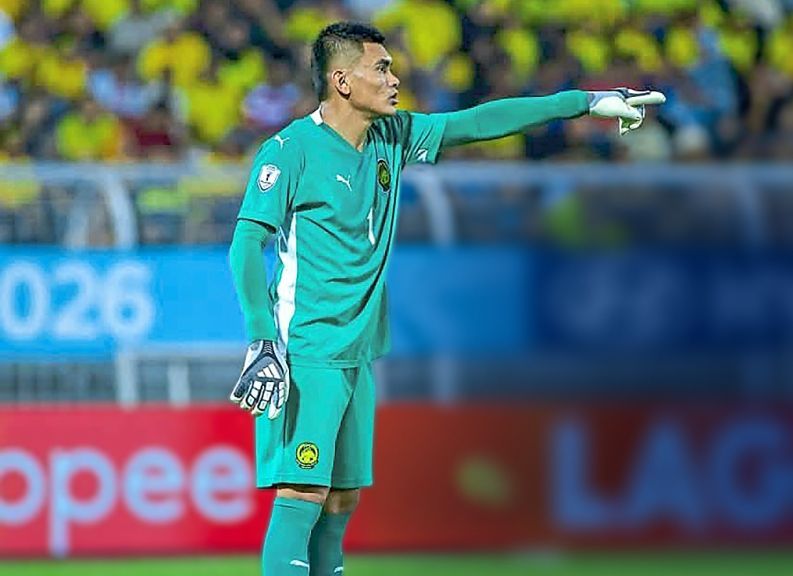
Malaysia's hopes of reclaiming regional football glory suffered a significant setback on Sunday when they were soundly beaten 0-2 by Vietnam in the opening leg of their Hyundai AFF Cup semi-final encounter at the Cheras Football Stadium. The result leaves Tan Cheng Hoe's interim-coached squad with a mountain to climb ahead of the return fixture at the MyDinh Stadium in Hanoi, as they attempt to overturn the deficit against the defending tournament champions.
The match proved problematic for Harimau Malaya from its earliest stages when defensive linchpin Rodney Celvin Akwensivie was forced to exit the field with an injury as early as the 15th minute. His departure necessitated a tactical reshuffle, with young centreback Aysar Hadi Sapri thrust into the unfamiliar pressure of facing Vietnam's attacking threats. This early personnel loss seemingly disrupted Malaysia's defensive shape and contributed to the vulnerability that would ultimately prove costly in the latter stages of the encounter.
Malaysia did create genuine opportunities during the opening forty-five minutes, most notably in the 34th minute when they carved out two clear-cut chances within the space of just three seconds. A precisely delivered low cross from leftback Faris Danish Asrul found captain and lead striker Paulo Josue in a dangerous position, but Vietnam goalkeeper Patrick Le Giang responded with a crucial save to deny the Malaysian forward. The reprieve was short-lived, however, as midfielder Daryl Sham George received the rebound with the goal seemingly at his mercy, only to inexplicably sky his effort over the crossbar and into the stands. Such profligacy in front of goal would haunt Malaysia as the match progressed.
Vietnam's dominance began to translate into tangible reward as the first half drew towards a close. In the 45th minute, Xuan Son capitalised on Malaysian defensive lapses to head home decisively, receiving a pinpoint cross from wingback Truong Tien Anh that left the Harimau Malaya backline fatally exposed. The manner of the goal highlighted a concerning pattern of defensive fragility that would require urgent addressing if Malaysia harboured any realistic hopes of salvaging the tie in Hanoi.
The second half presented a more measured contest, with Malaysia attempting to wrest the initiative through increased possession and more deliberate attacking play. Vietnam, meanwhile, demonstrated the tactical maturity expected of tournament favourites by remaining compact defensively and looking to exploit Malaysian overcommitment through swift counter-attacking movements. This tactical dichotomy—Malaysia pushing forward in search of goals, Vietnam content to absorb pressure and strike on the break—became the defining characteristic of the latter proceedings.
A potential turning point emerged in the 60th minute when referee Rustam Lutfullin appeared to indicate that Vietnam goalkeeper Patrick Le Giang had deliberately handled the ball outside his penalty area, an offense that would have necessitated a straight red card and left the visitors significantly disadvantaged. However, upon consultation with the video assistant referee system, the Uzbekistan official reversed his initial decision after determining that Le Giang had not employed his hands in clearing the ball, thus allowing the goalkeeper to remain on the pitch. The VAR intervention, while technically correct, denied Malaysia what could have been a pivotal opportunity to alter the trajectory of the encounter.
Recognising the need for tactical adjustment and fresh impetus, interim coach Tan Cheng Hoe introduced attacking reinforcements by bringing on winger Haqimi Azim Rosli and midfielder Ibrahim Manusi, the latter making his debut at international level, in place of Mahamadou Sumareh and Syafiq Ahmad respectively. These substitutions were intended to add creativity and dynamism to Malaysia's approach, yet Vietnam's well-drilled defence proved sufficiently disciplined to neutralise the attempted revitalisation.
Vietnam's stranglehold on the match was rendered complete in the 86th minute when the contest took a cruel and unexpected turn. Leftback Faris Danish Asrul, the same player who had delivered the assist for Paulo Josue's missed opportunity earlier in the match, inadvertently deflected a Vietnamese cross into his own net, gifting Vietnam a second goal and effectively extinguishing Malaysia's chances of salvaging the first leg. The own goal represented the cruellest of conclusions for a Malaysian team that, despite periods of competent football and genuine scoring opportunities, ultimately lacked the clinical finishing and defensive solidity required to compete at the highest level of regional competition.
The loss places Malaysia in a precarious position as they prepare for the second leg encounter in Hanoi. Trailing by two goals in a fixture where away performance will be essential, the Harimau Malaya face a formidable test of character and tactical acumen. The defending champions have demonstrated why they command respect in Southeast Asian football through their composed execution and defensive organisation, qualities that Malaysia will need to match and exceed if the tie is to be rescued. The psychological impact of the home defeat, coupled with the challenge of breaching Vietnam's defensive setup in an away fixture, suggests that overturning this deficit will require not merely a strong performance but a near-flawless display of attacking prowess and defensive concentration. For Malaysian football fans, what was anticipated as a promising semi-final encounter has instead become a battle against the odds, with redemption now dependent on a dramatic reversal of fortunes at the MyDinh Stadium.

