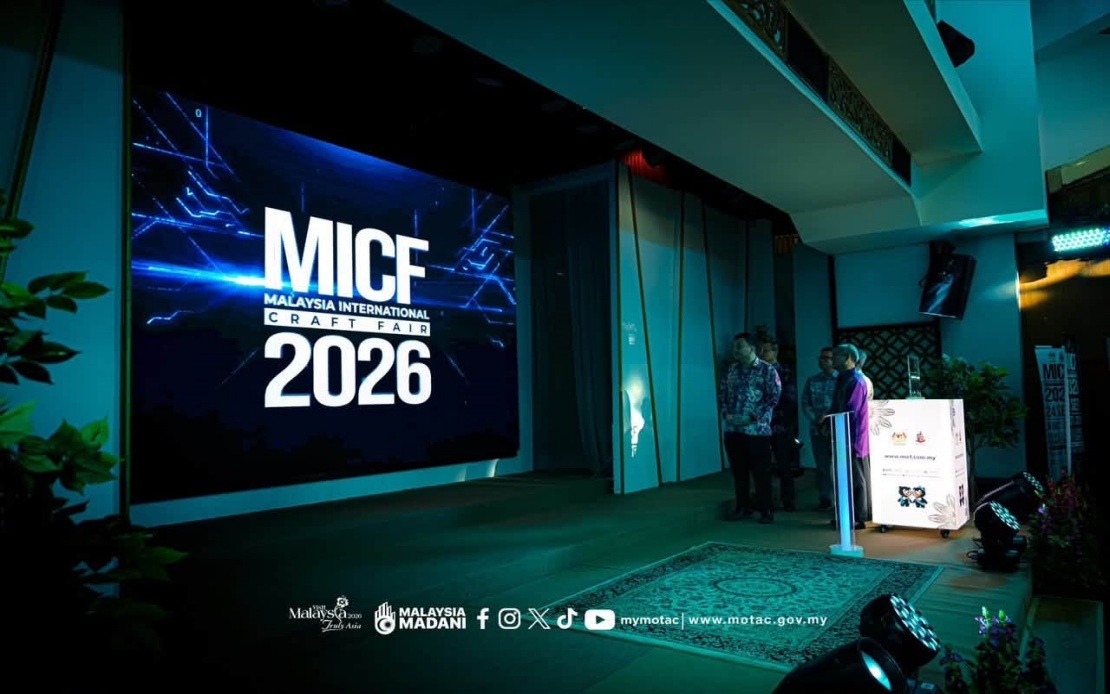
The Malaysia International Craft Fair 2026 will transform the Kuala Lumpur Craft Complex into a vibrant hub of global artistry from September 24 to October 5, welcoming approximately 400 participants across a dozen days of immersive cultural programming. Organiser Kraftangan Malaysia has set an ambitious target of drawing 300 domestic artisans alongside 100 international craftspeople hailing from over 20 nations, positioning the biennial event as a significant platform for cross-cultural creative expression and commercial linkage in Southeast Asia's craft sector.
The scale of the gathering underscores the Malaysian government's commitment to elevating traditional craftsmanship within an increasingly global marketplace. By orchestrating simultaneous exhibitions, demonstrations and interactive engagements across extended daily hours—10 am to 10 pm—organisers are constructing conditions favourable to meaningful encounters between buyers, sellers, collectors and practitioners across geopolitical boundaries. For Malaysian artisans, the influx of international visitors and fellow craftspeople represents tangible opportunity to expand their commercial networks while gaining exposure to evolving international aesthetic standards and consumer preferences.
Six nations will present signature craft demonstrations that collectively illustrate the breadth of global artisanal traditions. China's participation centres on jade carving, a practice refined across millennia and deeply rooted in philosophical symbolism. New Zealand's delegation will showcase Māori carving techniques, embodying indigenous knowledge systems and cultural narratives encoded within wood and bone. Uzbekistan's jewellery artists will display their specialised metalworking heritage, while Sri Lanka's artisans bring the intricate Beeralu lace-making tradition—a textile craft requiring extraordinary precision and patience. Indonesia's leather artisans and India's Tarkashi brass inlay specialists round out the international roster, each contributing distinct aesthetic vocabularies and technical methodologies to the fair's collective showcase.
The inclusion of traditional craft demonstrations carries pedagogical weight alongside commercial function. Visitors gain rare opportunity to observe master craftspeople at work, witnessing firsthand the labour intensity, skill progression and material knowledge embedded within authentic artisanal practice. This experiential dimension—watching hands move through practiced motions, observing problem-solving in real time—creates memorable educational moments that photographs and retail display cannot replicate. For younger generations increasingly removed from handmade production, such encounters may kindle renewed appreciation for heritage crafts and inspire career pathways within creative industries.
Malaysia's contribution will feature ten local craft masters and entrepreneurs demonstrating indigenous Malaysian traditions. This domestic representation balances the international spotlight, affirming that Malaysia possesses equally sophisticated and culturally significant crafting heritage worthy of international recognition. The selection of ten prominent practitioners suggests curatorial attention to quality and authenticity rather than mere quota-filling, with chosen artisans likely representing excellence across diverse Malaysian craft disciplines spanning textiles, metalwork, wood carving and ceramics.
Beyond demonstrations, the fair's programming encompasses craft exhibitions showcasing finished pieces and design innovations, expressions of contemporary artistic vision informed by traditional methods, and explorations of how heritage techniques intersect with modern creative challenges. The International Craft Talk series will facilitate dialogue between practitioners, providing forums where artisans can discuss technical innovation, sustainability concerns within craft production, market trends and cultural preservation strategies. Such conversations generate intellectual capital and peer learning that extends the fair's impact beyond its twelve-day footprint.
The accompanying International Fashion Showcase adds commercial dynamism to the proceedings. Craft techniques—whether embroidery, beadwork, dyeing or weaving—intersect intimately with contemporary fashion design, particularly within Southeast Asian creative industries where artisanal traditions increasingly inform luxury and sustainable fashion segments. By integrating fashion alongside traditional craft, organisers acknowledge how heritage techniques achieve contemporary relevance and commercial viability through creative reinterpretation.
Cultural performances throughout the fair will provide atmospheric enrichment and cultural education. Live music, dance and theatrical presentations rooted in participating nations' traditions create festive ambiance while subtly reinforcing that craft production emerges from living cultures rather than frozen historical moments. This contextualisation matters for Malaysian audiences seeking understanding of how craftspeople remain embedded within dynamic societies rather than representing quaint anachronisms.
Strategic partnerships supporting the fair's logistics indicate institutional confidence in its growth trajectory and cultural significance. Traditional cooking demonstrations, coordinated through partner organisations, extend the fair's scope beyond visual and tactile craft into culinary domains where similar principles of heritage, technique and cultural transmission operate. This holistic approach to cultural celebration acknowledges that artisanal knowledge systems rarely exist in isolation but rather interconnect across multiple creative domains.
For Malaysia's economy and cultural diplomacy, the fair's international dimensions carry meaningful implications. The event generates tourism revenue, occupies accommodation and dining establishments, and produces positive cultural messaging about Malaysia as a sophisticated, cosmopolitan destination valuing artisanal excellence. The networking opportunities Kraftangan Malaysia emphasises—enabling partnerships, market access and collaborative ventures—can catalyse genuine commercial relationships benefiting participating artisans over extended periods beyond the fair's conclusion.
The fair's pre-launch officiation by Deputy Minister of Tourism, Arts and Culture Chiew Choon Man signals government institutional support and suggests MICF 2026 aligns with broader national cultural policies prioritising heritage preservation and creative economy development. This political backing facilitates resource allocation and promotional amplification essential for attracting the targeted participant numbers and visitor volumes.
For Southeast Asian craft practitioners and collectors, the MICF 2026 represents a rare opportunity to encounter concentrated diversity of traditional techniques, connect with international peers and explore commercial possibilities within dynamic regional creative industries. The fair ultimately functions as both marketplace and cultural commons—simultaneously advancing business interests while affirming that shared human creativity transcends borders and generates meaning through patient, skilled engagement with materials.

