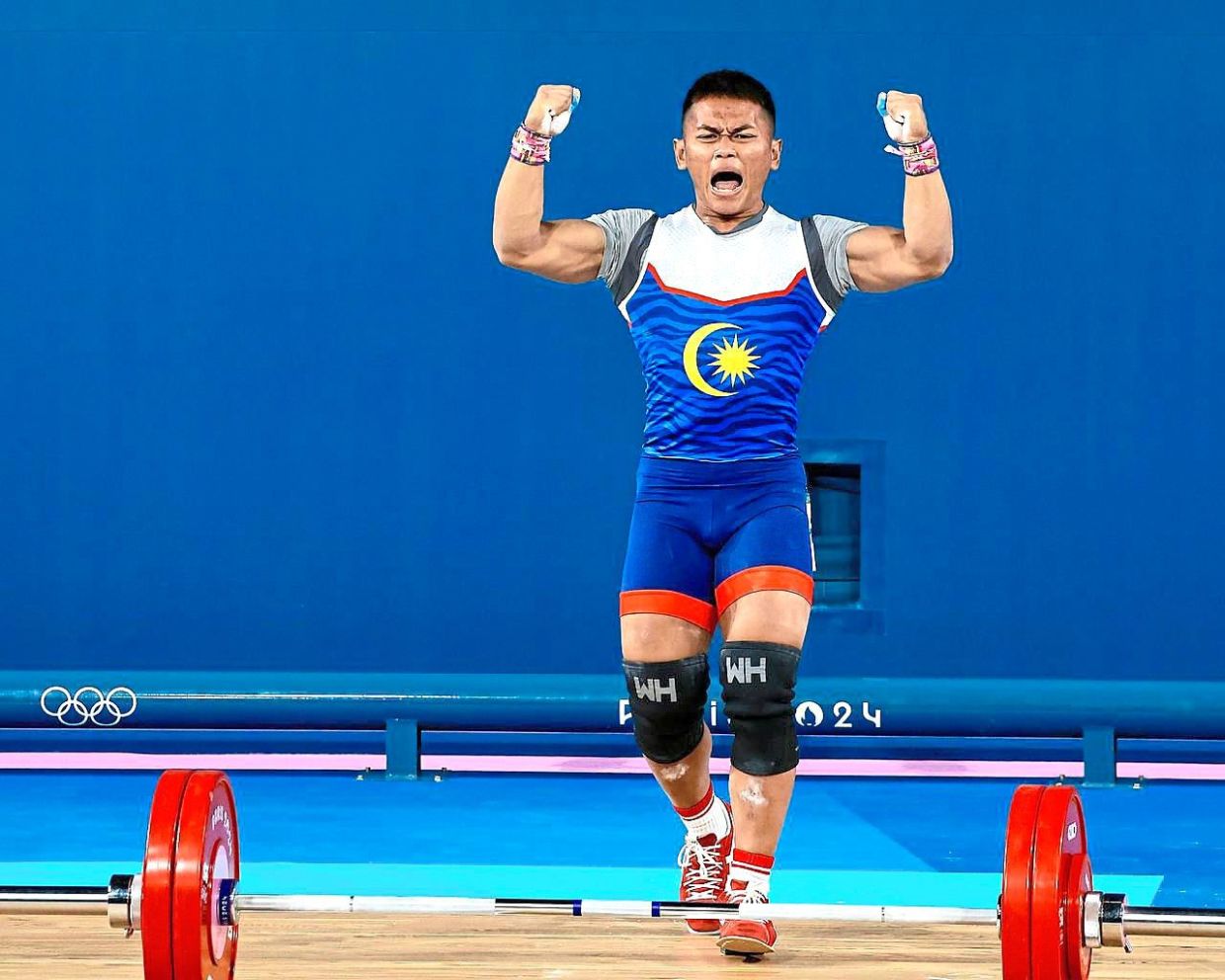
Recognition of Malaysia's weightlifting dominance at the Glasgow Commonwealth Games has translated into concrete financial backing, with the Youth and Sports Ministry committing an additional RM1 million towards the sport's long-term development. The announcement follows an evaluation of the squad's remarkable performance at last month's Games, where weightlifters emerged as the country's most productive medal-winning contingent, underscoring the strategic value of continued investment in a discipline where Malaysian athletes have demonstrated consistent excellence at the international level.
The decision to channel fresh resources into weightlifting came after detailed consultations between Youth and Sports Minister Dr Mohd Taufiq Johari, the Malaysian Weightlifting Federation, and the National Sports Council regarding the most effective pathways for nurturing talent across all levels. This collaborative approach reflects a broader shift towards evidence-based sports funding in Malaysia, where performance metrics and medal potential increasingly drive resource allocation decisions within the ministry's strategic planning.
The Glasgow Games delivered an exceptional haul for Malaysia's weightlifting contingent, who collectively brought home five gold medals alongside one silver and one bronze. This contribution assumed particular significance within Malaysia's overall medal tally of eight golds, three silvers and five bronzes, with weightlifters accounting for more than 60 per cent of the nation's gold medal count. Such dominance in a single sport at a major commonwealth gathering provides policymakers with clear evidence that targeted investment yields measurable returns in the international sporting arena.
Beyond the immediate cash injection, the ministry has endorsed infrastructure improvements at the Rompin weightlifting training centre, positioning the facility for elevation to Sports Centre of Excellence status. This institutional development carries implications extending far beyond equipment upgrades; it signals Malaysia's commitment to establishing a world-class training ecosystem capable of competing with regional and global powerhouses in developing elite weightlifting talent. The Rompin centre, strategically enhanced with better facilities and resources, will serve as a focal point for identifying and nurturing athletes from younger age groups through to senior international competition levels.
A critical component of the ministry's broader strategic vision involves gender representation within the weightlifting programme. Officials have agreed to station a dedicated full-time coach at the Rompin facility with explicit responsibility for developing female athletes, addressing a dimension often neglected in Malaysian sports development. This decision carries particular importance given global trends in weightlifting, where female participation and international medal opportunities have expanded significantly, yet many Southeast Asian nations have been slow to capitalise on this expanding competitive space. By institutionalising female athlete development, Malaysia positions itself to capture emerging opportunities in a category where regional competition remains less entrenched than in men's divisions.
The National Sports Council has furthermore undertaken to expand quota allocations for weightlifters accepted into its development programme, a shift scheduled to take effect following the conclusion of the ongoing Malaysia Games (Sukma). This expansion will not occur indiscriminately; the council has committed to applying rigorous selection criteria that prioritise athletes demonstrating both strong competitive potential and the technical foundation necessary to progress toward elite international standards. Such selectivity ensures that expanded opportunities translate into meaningful advancement rather than dilution of programme quality through inclusion of unsuitable candidates.
The timing of these announcements reflects the ministry's responsiveness to demonstrated success, a pattern that carries broader implications for Malaysia's sports funding architecture. When national teams deliver internationally credible performances, the political window for securing additional government resources widens considerably, enabling administrators to pursue longer-term strategic objectives. The weightlifting sector has effectively leveraged its Glasgow success into substantive institutional and financial gains that extend well beyond the immediate post-Games period.
Dr Taufiq's public statements emphasise that these investments represent not merely acknowledgment of past achievement but rather foundational steps toward sustaining and amplifying Malaysia's weightlifting competitiveness over coming years and decades. The framing of financial support as long-term ecosystem development rather than one-off reward reflects mature sports administration, acknowledging that Commonwealth Games medals result from sustained training infrastructure, coaching quality, and talent pipeline development rather than isolated funding events. This perspective suggests the ministry has absorbed lessons from other Malaysian sports that achieved periodic success but lacked institutional continuity to maintain momentum.
For Malaysian athletes and administrators, the RM1 million allocation and accompanying facility enhancements validate weightlifting as a priority discipline within the national sports hierarchy. This status elevation has cascading effects throughout the sport, influencing recruitment of young talent, attracting corporate sponsorship, and enhancing the profession's prestige among potential coaches and support staff. Regional competitors observing Malaysia's post-Games weightlifting investment will recognise the country's serious intentions in competing for future Commonwealth Games medals and Olympic qualification spots in what remains a relatively underdeveloped sport across much of Southeast Asia.
The concentration of resources into a single sport capable of generating substantial medal returns reflects pragmatic policy-making in an era when government sports budgets face persistent constraints. Rather than dispersing limited funds thinly across numerous disciplines with uncertain international prospects, the ministry's willingness to concentrate support on high-performing sports maximises return on investment while simultaneously motivating other sporting federations to demonstrate competitive viability. This competitive dynamic within Malaysia's sports ecosystem creates incentives for continuous improvement and excellence across multiple disciplines.

