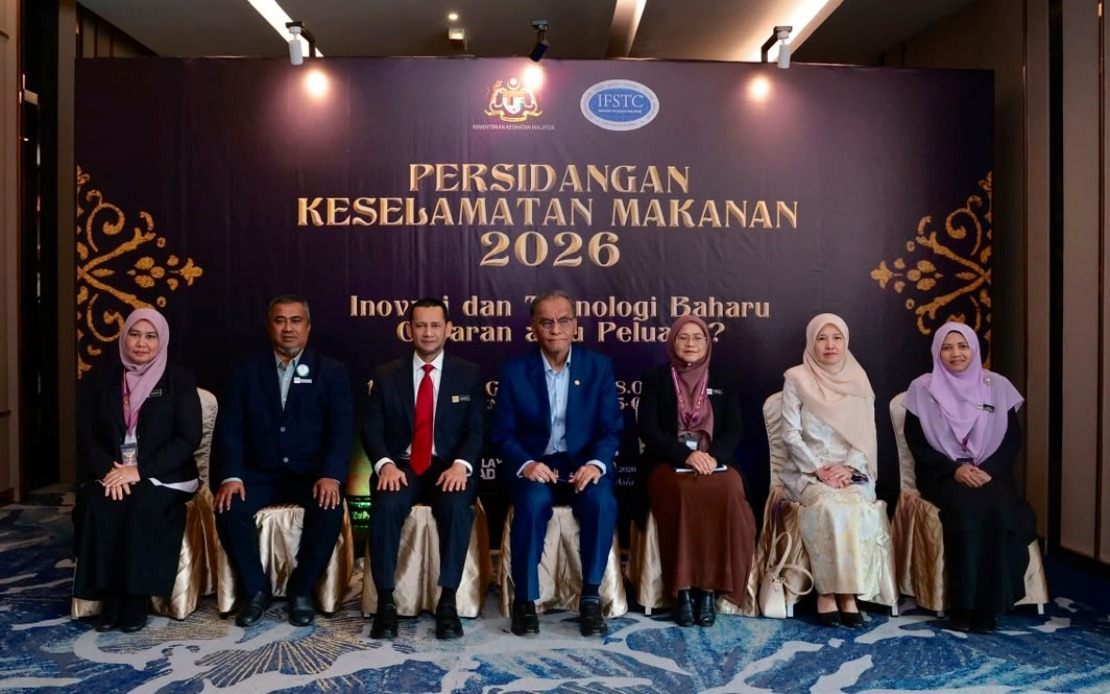
Malaysia has taken a significant step towards enhancing its food safety infrastructure by formally joining the Asia-Pacific Food Regulatory Authority Summit, a move that positions the country as a key player in regional food governance. Health Minister Datuk Seri Dr Dzulkefly Ahmad announced the Cabinet's approval of Malaysia's membership at a membership signing ceremony held in conjunction with the 2026 Food Safety Conference in Putrajaya on August 11, emphasising the strategic importance of this alignment with the nation's broader food security objectives.
The decision to join APFRAS represents a crucial shift in how Malaysia approaches food regulation at both the domestic and regional levels. Dr Dzulkefly articulated that this membership would position Malaysia as a "Smart Gatekeeper" within the Asia-Pacific region, a designation that reflects the country's commitment to implementing cutting-edge governance frameworks and digital systems. The participation signals Malaysia's readiness to lead the charge in transforming how food safety is managed across Southeast Asia, moving away from traditional regulatory approaches toward technology-enabled solutions that can respond more swiftly to emerging food safety risks.
One of the primary drivers behind this strategic decision is the dramatic expansion of Malaysia's reliance on imported food products. Over the past decade, food imports have surged by 85 per cent, climbing from RM42.6 billion in 2013 to RM78.9 billion in 2023. This exponential growth underscores a critical vulnerability in the nation's food supply chain, as a substantial portion of what Malaysians consume daily now traverses lengthy and intricate global supply networks that cross multiple international borders. The complexity of these supply chains presents both regulatory and safety challenges that require sophisticated monitoring and control mechanisms.
The financial scale of Malaysia's food import dependency cannot be understated. At nearly RM79 billion annually, imported foodstuffs represent a substantial portion of the nation's consumption basket, making Malaysia particularly susceptible to food safety incidents originating from suppliers across the region and beyond. This exposure necessitates stronger regional cooperation and harmonised standards to ensure that food products meeting the safety requirements of one nation are not compromised before reaching Malaysian consumers. APFRAS membership provides the institutional framework through which such cooperation can be formalised and strengthened.
Dr Dzulkefly outlined several concrete initiatives that Malaysia intends to pursue through its APFRAS participation. These include leading the digital transformation of food safety governance across the region, establishing frameworks for regulating biodegradable packaging materials, and harmonising legislative approaches to accommodate new food innovations. Each of these objectives reflects a recognition that modern food safety cannot rely solely on traditional inspection and certification methods. Instead, it demands integration with contemporary technological capabilities and forward-looking regulatory structures that can adapt as the industry evolves.
The deployment of artificial intelligence and predictive analytics represents a cornerstone of Malaysia's modernisation strategy. The Health Ministry is actively exploring these technologies with the explicit goal of enhancing monitoring and control efficiency at the nation's entry points. Rather than relying on reactive testing after products have arrived, AI-powered systems can identify potential risks earlier in the supply chain, flagging suspicious batches or suppliers before food reaches Malaysian shores. Predictive analytics can model outbreak patterns and identify vulnerable segments of the supply chain, allowing regulators to allocate resources more strategically.
This commitment to technological advancement directly supports both the National Food Safety Policy and the National Food Security Policy, two pillars of the government's approach to ensuring Malaysians have access to safe, abundant food supplies. By integrating digital tools into the regulatory apparatus, Malaysia can better manage the paradox of wanting to maximise food choices and availability through imports while minimising the associated safety risks. This balance is essential for a trading nation like Malaysia, which cannot be entirely self-sufficient in food production.
The two-day 2026 Food Safety Conference, themed "New Innovations and Technologies – Challenges or Opportunities?", attracted over 300 participants and served as the platform for Malaysia's formal commitment to APFRAS. The conference agenda itself reflects the central tension facing modern food regulators: innovations and technologies offer unprecedented tools for ensuring safety, yet they also introduce new unknowns and potential risks that require careful management. Discussions at such gatherings help regulators across the region share experiences and develop coordinated responses to emerging challenges.
Regional cooperation through APFRAS is particularly valuable for Southeast Asian nations that share similar supply chain vulnerabilities and consumer demographics. Many of Malaysia's neighbouring countries face analogous challenges in managing rapid import growth and integrating digital systems into legacy regulatory frameworks. By coordinating through APFRAS, these nations can avoid duplicative efforts, share best practices, and establish mutually recognised standards that reduce friction in regional food trade while elevating safety standards overall.
The implications of Malaysia's APFRAS membership extend beyond immediate food safety concerns. It signals the country's positioning as a regulatory innovator within Asia-Pacific, potentially attracting investment from food technology companies seeking to pilot advanced solutions in the Malaysian market. It also enhances Malaysia's diplomatic influence on food-related matters, allowing the nation to shape regional standards rather than merely adapting to them. For Malaysian consumers and businesses alike, this membership promises a food system that is simultaneously more open to international trade and more robust in protecting public health.
Implementing this vision will require substantial investment in digital infrastructure, training of regulatory personnel, and coordination with industry stakeholders who must adapt to new standards and reporting requirements. The success of Malaysia's APFRAS participation will ultimately be measured by whether food safety incidents decline, consumer confidence strengthens, and the nation's food import and export sectors become more resilient and efficient. These outcomes will take time to materialise, but the formal commitment made in August represents a meaningful commitment to addressing a challenge that touches every Malaysian household.

