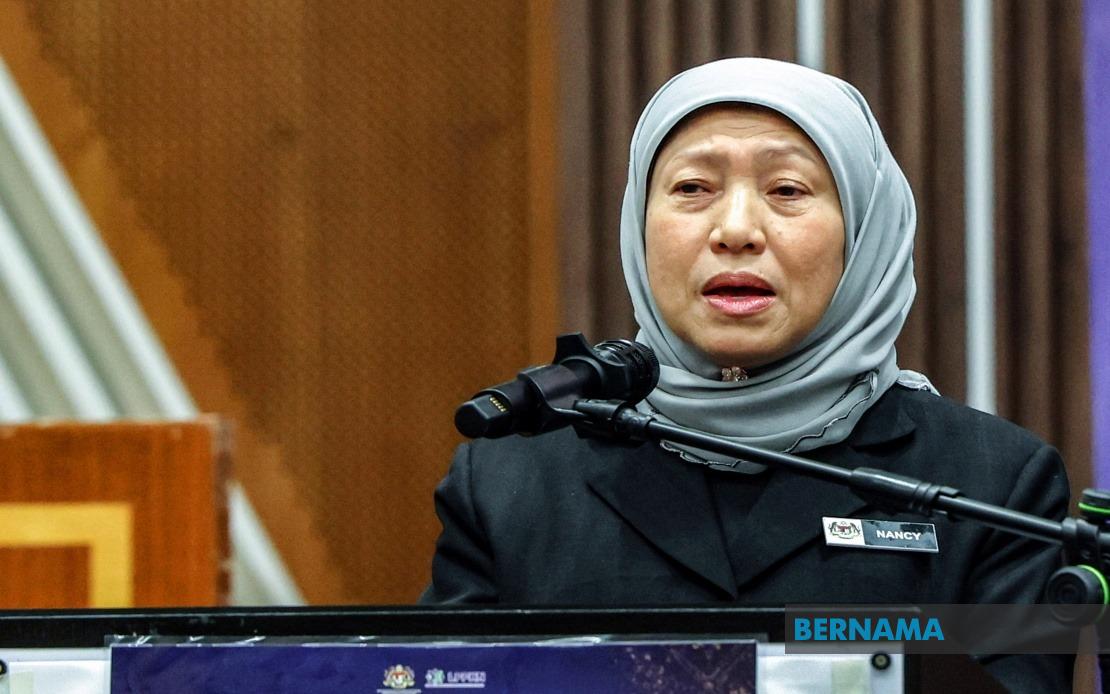
The Ministry of Women, Family and Community Development (KPWKM) is commencing an 18-month national study designed to reshape how Malaysia approaches men's development and social responsibility. The initiative, unveiled by Minister Datuk Seri Nancy Shukri at a consultative forum in Putrajaya, represents a shift in how policymakers understand male empowerment—moving beyond conventional metrics of economic success and leadership roles to encompass psychological resilience, emotional intelligence and the capacity to build stronger families and communities.
At its core, the National Gentleman Initiative reflects recognition that Malaysian men confront mounting pressures across multiple dimensions of modern life. The government's framework explicitly redefines what it means to empower men, positioning gentlemanly conduct not as weakness or subordination but as a form of strength rooted in wisdom, shared responsibility and authentic respect for women as equal partners. This conceptual reframing matters significantly for a society navigating rapid economic change and evolving gender relations.
The empirical backdrop for this study is sobering. Male suicide rates in Malaysia stand nearly three times higher than female rates, a disparity that signals deep distress within the male population. The 2023 National Health and Morbidity Survey documented that 4.6 per cent of Malaysians aged 16 and above struggle with depression, though gender-specific breakdowns suggest men may underreport mental health challenges due to stigma and social conditioning that equates vulnerability with failure. These statistics underscore why a dedicated policy focus on men's mental well-being has become unavoidable.
Economic strain represents another critical dimension. Household debt in Malaysia has climbed to 84.3 per cent of gross domestic product according to Bank Negara Malaysia, creating relentless financial pressure on breadwinners and destabilising family structures. This economic precarity correlates directly with family breakdown: divorce cases surged 4.1 per cent to 60,457 in 2024, with financial stress, inability to meet maintenance obligations and sustained domestic conflict cited as primary causes. For many Malaysian men, the burden of economic responsibility without adequate support systems creates a spiral of stress, shame and relationship deterioration.
The domestic violence dimension adds another layer of complexity. Royal Malaysia Police data reveals that 95 per cent of recorded domestic violence perpetrators between January and December 2025 were men—a statistic that demands honest engagement rather than defensiveness. Minister Shukri's inclusion of this figure demonstrates willingness to confront uncomfortable truths: men's empowerment cannot mean exemption from accountability, but rather channelling male agency toward constructive rather than destructive ends. The study will need to examine how economic desperation, untreated mental health conditions and absence of constructive outlets translate into violence within homes.
The research methodology encompasses a Public-Private-People Partnership (4P) approach, meaning findings will draw from government agencies, business and community organisations, and ordinary Malaysians. This inclusive design is essential for credibility and practical applicability. Policymakers cannot effectively address men's challenges without understanding lived experiences across different socioeconomic strata, ethnic communities and family structures. The consultative forum serves as a preliminary gathering point for such perspectives before the formal 18-month research phase commences.
For Malaysian readers and policymakers, this initiative carries implications extending beyond men's development alone. Stronger, more emotionally resilient men contribute to family stability, which reduces pressure on healthcare and social services systems. Decreased divorce rates and family conflict reduce demand for legal services and child welfare interventions. Men who manage stress constructively rather than through violence or self-harm reduce healthcare expenditure related to trauma, injury and mental health crisis response. Investment in male empowerment thus represents economically rational public health policy, not merely social philosophy.
Regionally, Malaysia's approach distinguishes itself by explicitly centering psychological and relational dimensions rather than pursuing aggressive masculinity reinforcement programmes common in some neighbouring contexts. The emphasis on men as caregivers, emotional partners and community contributors aligns with evidence-based approaches emerging from public health research globally. The study may generate insights applicable across Southeast Asia, where rapid urbanisation and economic transformation have similarly strained male psychological well-being and family cohesion.
The findings and policy recommendations emerging from this 18-month investigation will likely shape everything from school curricula and workplace wellness programmes to family counselling services and mental health interventions. Whether recommendations gain adequate funding and implementation will determine whether this study becomes transformative or merely adds to Malaysia's considerable archive of well-intentioned but underresourced initiatives. The research phase must translate into concrete, adequately financed programmes reaching working-class men, rural populations and those most isolated from existing support systems.
Minister Shukri's framing of the gentleman ideal—as someone who leads with wisdom rather than dominance, shares rather than hoards responsibility, respects rather than diminishes women—represents a deliberate counter-narrative to toxic masculinity narratives that have gained cultural purchase in recent years. Successfully embedding this alternative model requires more than top-down policy pronouncements; it demands sustained cultural work through education, media representation and community engagement. The national study provides research foundation, but implementation will require commitment from families, schools, workplaces and religious institutions.
Looking ahead, the critical test involves whether this initiative becomes genuinely centred on men's wellbeing or devolves into defensive positioning against gender equality progress. Authentic men's empowerment and gender equality are compatible objectives when properly conceived—both reject rigid gender roles, both acknowledge human complexity and vulnerability, both recognise that rigid masculinity harms everyone. Malaysia's willingness to invest resources and political capital in this study suggests genuine commitment to moving beyond zero-sum framings of gender relations toward approaches benefiting men, women and families simultaneously.

