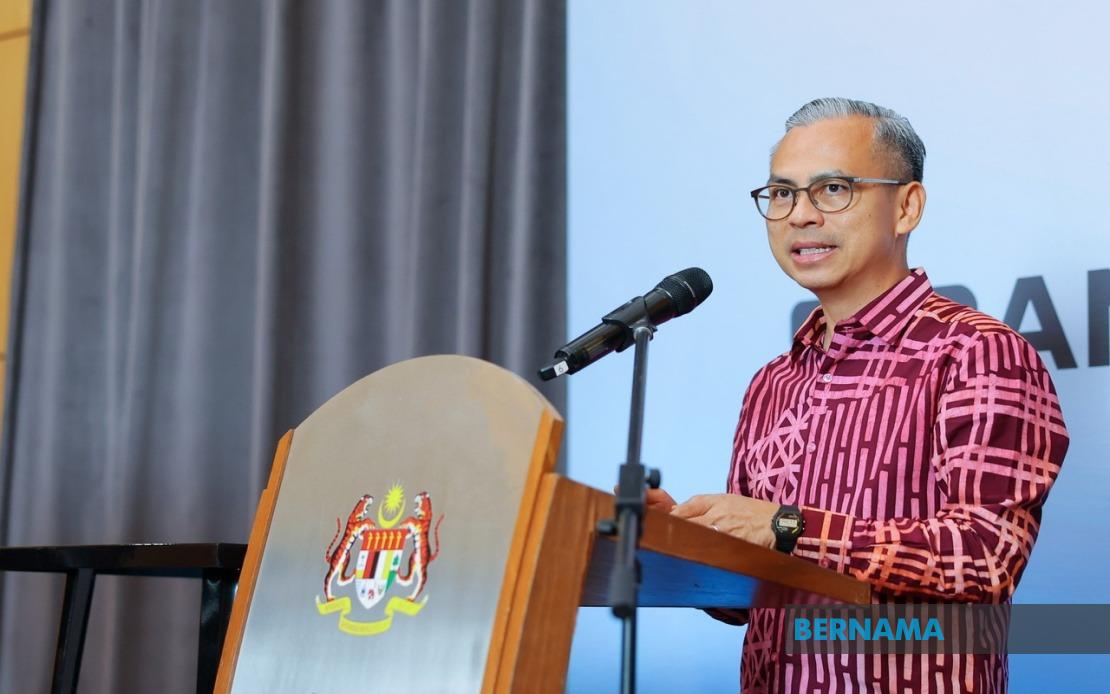
Malaysia has moved decisively to confront a growing threat to its digital economy by establishing a specialized inter-agency task force designed to combat online fraud and scam-related crimes. Communications Minister Datuk Fahmi Fadzil announced the formation of the committee and its supporting technical group on June 18, following high-level discussions during a Cabinet retreat that highlighted the alarming surge in digital fraud incidents affecting Malaysian citizens and businesses. The initiative represents a significant escalation in the government's response to what has become a persistent challenge undermining confidence in Malaysia's digital platforms and financial systems.
The structural design of this committee reflects a comprehensive understanding of the systemic nature of online fraud in Malaysia's increasingly connected economy. By bringing together representatives from multiple government ministries, law enforcement agencies, and regulatory departments, the framework ensures that enforcement actions, legislative gaps, and investigative protocols can be addressed through coordinated channels rather than fragmented departmental responses. This holistic approach acknowledges that online scams operate across jurisdictional boundaries and exploit vulnerabilities that span financial institutions, telecommunications networks, and digital platforms simultaneously. The inaugural meeting of the working committee will convene shortly, marking the formal commencement of what officials expect to be a more aggressive and synchronized campaign against perpetrators.
What distinguishes this initiative from previous anti-fraud efforts is the explicit inclusion of private sector stakeholders in the formal governance structure. For the first time, Malaysia's banking sector, telecommunications companies, and major digital platforms including social media networks will participate directly in the committee's work alongside government bodies. This private-sector engagement reflects a pragmatic recognition that effective fraud prevention requires real-time intelligence sharing, rapid response mechanisms, and technological capabilities that often reside within commercial entities rather than government agencies. Banks and telecommunications providers possess detailed transaction data and user information that can help identify fraudulent patterns, while social media platforms control the digital spaces where many scams are orchestrated and promoted.
The government has identified three primary dimensions where coordinated action will generate impact: enforcement capacity, legal frameworks, and investigative capabilities. Enhanced enforcement implies accelerated prosecution of known offenders and disruption of active scam networks operating within Malaysia's borders or targeting Malaysian victims abroad. The legislative component suggests that existing laws governing cybercrime, fraud, and financial crimes may require amendment to address novel scam methodologies that exploit regulatory gaps. The investigative focus encompasses developing specialized skills within law enforcement to trace digital money flows, identify perpetrator networks, and build prosecutable cases against sophisticated criminal organizations that increasingly operate across multiple countries.
Fahmi emphasized that the committee's establishment represents a proactive governmental posture aimed at identifying emerging fraud threats before they metastasize into widespread criminal epidemics. Rather than responding reactively to each reported scam case, the committee will function as an early warning system capable of detecting novel fraud schemes, analyzing their modus operandi, and implementing preventive measures across the financial and digital ecosystems. This forward-looking approach contrasts with traditional law enforcement models that typically activate only after significant numbers of victims have already suffered losses. The initiative signals Malaysia's determination to position itself as a relatively safer destination for digital commerce and financial transactions compared to regional peers experiencing similar or greater fraud challenges.
The government has deliberately withheld disclosure of specific anti-fraud strategies under development within the committee, citing security concerns about alerting criminal networks to planned operations or investigative methodologies. This tactical opacity, while limiting public understanding of specific interventions, reflects mature crisis management recognizing that transparency about enforcement approaches could allow sophistical scammers to adapt tactics and evade detection. Fahmi acknowledged this tension explicitly, noting that full disclosure of strategy would inadvertently provide operational intelligence to the very criminal elements the committee seeks to apprehend. Malaysian citizens will likely see results through improved prosecution rates and disrupted scam networks rather than detailed public briefings about investigative techniques.
The government has drawn upon its previous experience with cross-agency task forces assembled to combat child sexual exploitation crimes, citing the demonstrated effectiveness of this collaborative model in achieving significant operational successes through special focused operations. The institutional knowledge gained from that initiative informed the structural design of the anti-scam committee, suggesting that government officials believed coordination mechanisms that worked against one type of organized crime could be adapted successfully for digital fraud. This precedent provides some empirical basis for confidence that the new committee might achieve faster, more comprehensive, and more forceful action against scammers compared to the fragmented responses that characterized previous periods.
From a Malaysian perspective, this committee formation carries substantial implications for consumer confidence and economic competitiveness. Online scams have inflicted significant financial losses on Malaysian households and businesses while damaging the reputation of Malaysia's digital platforms internationally. Multinational corporations considering whether to locate regional operations in Malaysia factor digital security and fraud prevalence into site-selection decisions. A demonstrable decline in scam victimization rates would strengthen Malaysia's positioning as a regional hub for digital commerce and financial technology services. Conversely, continued high fraud rates risk pushing business and consumer activity toward more secure jurisdictions, with long-term consequences for Malaysia's digital economy aspirations.
The task force's effectiveness will ultimately depend on sustained commitment of resources, political backing, and interagency coordination over an extended period. Combating entrenched criminal networks requires patience and persistence beyond typical government committee lifespans. The committee must also navigate tensions between security agencies prioritizing national security considerations and consumer protection agencies focused on individual victim restitution. International cooperation will prove essential given that many scam networks operate transnationally, requiring coordination with law enforcement in other countries and international organizations specializing in cybercrime. Malaysia's success in addressing online fraud will provide a model for other Southeast Asian nations facing similar challenges while simultaneously demonstrating the government's capacity to manage complex multi-stakeholder initiatives involving both public and private sector participation.

