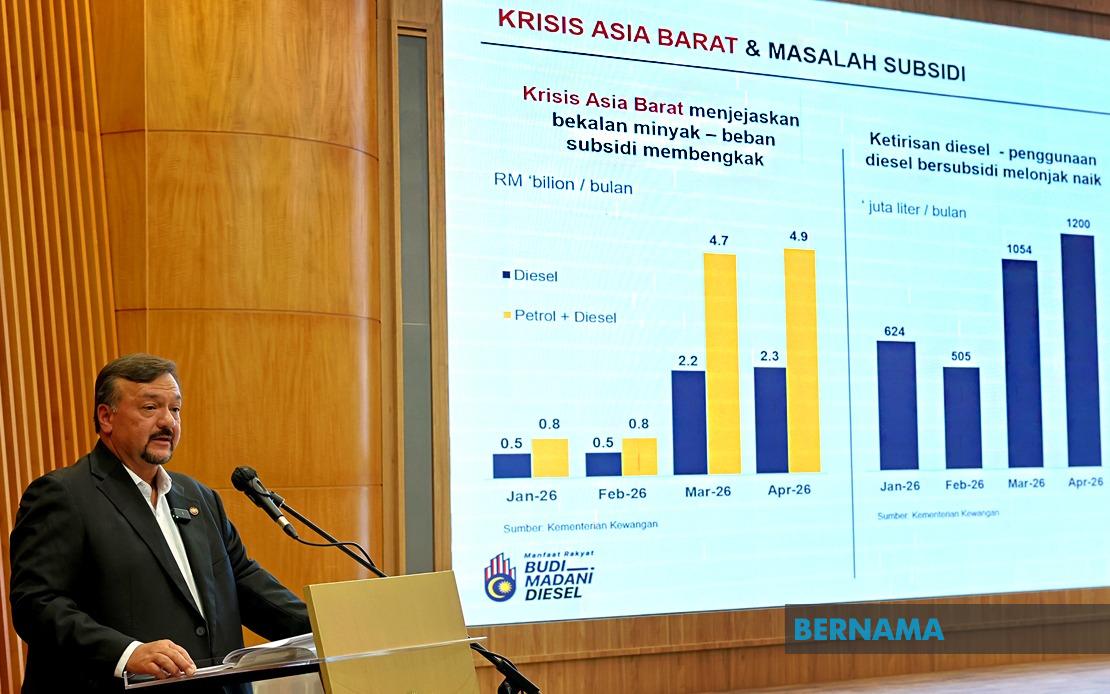
The Malaysian government has decided to maintain its BUDI95 petrol subsidy quota at the current 200-litre monthly cap, with officials signalling they will reassess the situation only after observing how ongoing peace negotiations between the United States and Iran affect global crude oil markets. Finance Minister II Datuk Seri Amir Hamzah Azizan made the announcement in Putrajaya, stressing that geopolitical stability in West Asia remains too uncertain to justify reversing the subsidy reduction that took effect earlier this year.
The decision reflects Kuala Lumpur's cautious approach to managing fuel expenditures amid volatile international oil dynamics. The government had previously set the BUDI95 quota at 300 litres per month, but reduced it to 200 litres in response to budgetary pressures and market conditions. Amir Hamzah indicated that the administration wants more concrete evidence that the recent ceasefire agreement between Washington and Tehran will hold before committing to expanded subsidies that could strain the federal budget if oil prices spike unexpectedly.
The preliminary understanding between United States President Donald Trump and Iranian President Masoud Pezeshkian, featuring a 14-point framework, was signed last Friday and establishes a 60-day window for both nations to negotiate a comprehensive agreement. This timeline uncertainty represents the core reason Malaysian policymakers are hesitant to make immediate changes. The finance minister emphasised that officials must observe whether this diplomatic initiative produces lasting results and assess its downstream impact on crude oil valuations before reconsidering subsidy parameters.
Amir Hamzah stressed that protecting ordinary Malaysians from fuel price volatility remains the government's paramount objective, even at the reduced 200-litre threshold. He noted that the current subsidy structure manages its fiscal burden adequately, as data analysis reveals nearly 80 per cent of BUDI95 recipients consume fewer than 200 litres monthly anyway. This distribution pattern suggests that the quota reduction may have minimal real-world impact on a significant majority of beneficiaries, since they were not approaching the previous limit.
Beyond the immediate subsidy question, the government is encouraging behavioural changes to dampen fuel demand organically. Initiatives such as expanded work-from-home arrangements and public messaging about prudent fuel consumption aim to reduce pressure on the subsidy system without imposing additional restrictions. Officials view these complementary measures as pressure-relief valves that help accommodate varying consumption patterns while keeping budgetary exposure manageable.
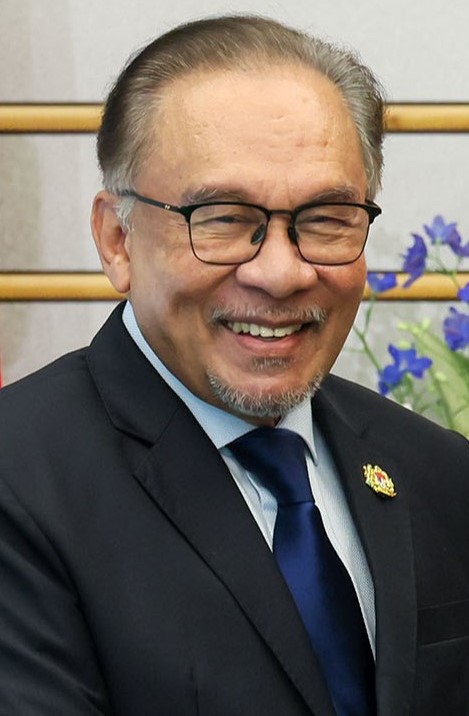
Prime Minister Datuk Seri Anwar Ibrahim had previously expressed optimism about the US-Iran negotiations, believing the agreement could facilitate broader regional peace and stability. His cautious optimism aligns with the finance ministry's wait-and-see posture, reflecting acknowledgment that diplomatic breakthroughs in Middle Eastern conflicts do not automatically translate into immediate commodity price relief. Historical precedent shows that geopolitical improvements often take months to filter through to energy markets.
For Malaysian consumers and businesses, the decision means continued planning based on the 200-litre monthly allowance. The move protects government revenues by avoiding premature subsidy expansion, yet it also signals that leadership recognises the precarious nature of international relations and resource pricing. By tying future policy adjustments to concrete outcomes from US-Iran talks, authorities create accountability mechanisms that link domestic fiscal decisions to verifiable external developments.
The BUDI95 programme itself represents a targeted approach to fuel subsidies, focusing support on Malaysian citizens rather than blanket price controls. This structure allows the government to measure uptake patterns, identify potential abuse, and adjust parameters based on demographic data. The finding that most recipients use less than 200 litres monthly validates the programme's efficiency and suggests that further cuts would likely hurt only a small proportion of intended beneficiaries.
Regional implications extend beyond Malaysia's borders, as Southeast Asian economies collectively remain vulnerable to oil price fluctuations. If the US-Iran agreement fails or collapses after the 60-day negotiation window, crude markets could experience renewed turbulence that would pressure fuel-importing nations throughout the region. Malaysia's cautious stance implicitly signals to neighbouring governments that careful monitoring of geopolitical developments should inform energy and fiscal planning across ASEAN.
The government's position also reflects domestic political realities, where fuel prices carry symbolic weight for voters and consumers. Premature subsidy expansion followed by price hikes would generate backlash, whereas maintaining current levels while promising reassessment demonstrates fiscal prudence and responsiveness to changed circumstances. This approach balances competing pressures from budget hawks seeking lower expenditures and consumers seeking expanded support.