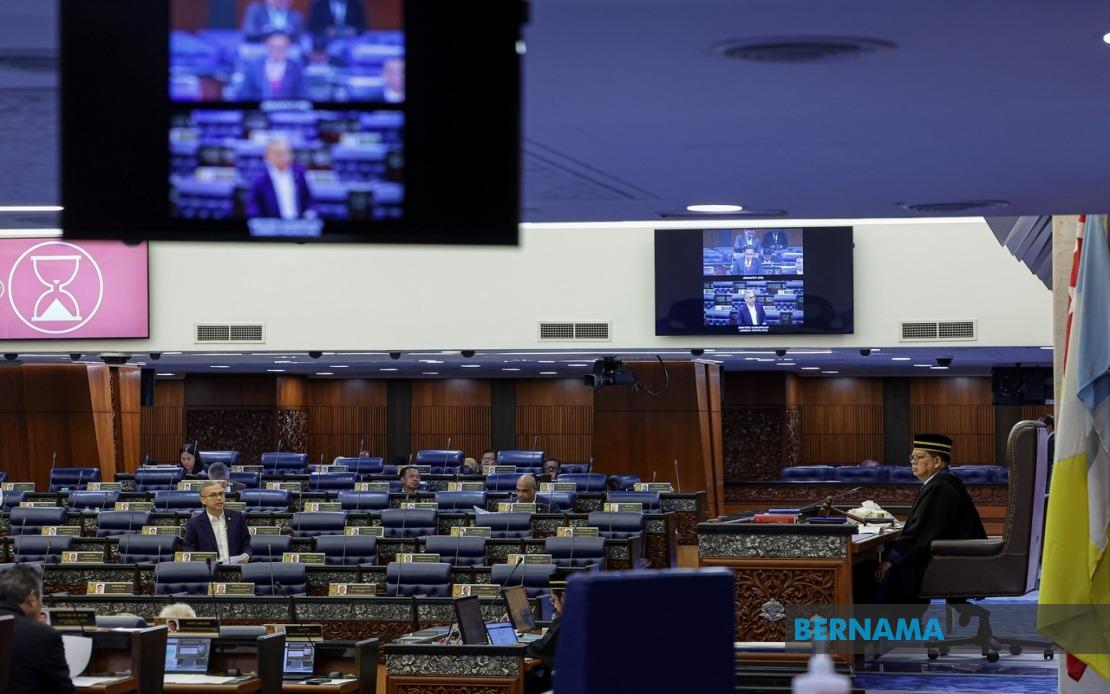
Malaysia has introduced a comprehensive framework to safeguard children's online experiences through mandatory age-verification requirements on social media platforms. Communications Minister Datuk Fahmi Fadzil outlined the provisions of the Child Protection Code (CPC) in parliament on June 24, revealing how the country intends to balance digital access with child safety in an increasingly connected region where youth internet penetration remains among the highest globally.
The CPC, jointly issued with the Risk Mitigation Code (RMC) by the Malaysian Communications and Multimedia Commission (MCMC), took effect on June 1 following its announcement on May 22. Both instruments operate under the umbrella of the Online Safety Act 2025 (Act 866), marking a significant regulatory milestone in Malaysia's approach to digital governance. This legislative pairing demonstrates the government's recognition that protecting vulnerable users requires both preventive mechanisms and responsive safeguards, addressing a gap that had existed in Malaysia's regulatory landscape as social media adoption accelerated across all age groups.
The cornerstone of the new framework establishes that users must be at least 16 years old to establish social media accounts. Licensed service providers are obligated to deploy age-verification mechanisms—distinct from identity verification—to confirm user eligibility before account creation. This distinction matters significantly, as age verification focuses narrowly on confirming date of birth rather than collecting comprehensive identity documentation, thereby reducing the data footprint retained by platforms. The approach reflects international best practices seen in European jurisdictions implementing similar age-appropriate digital frameworks, though Malaysia's implementation carries particular relevance given the region's younger demographic profile and high social media engagement rates among adolescents.
The mechanism operates through a tiered validation system centred on official Malaysian government-issued credentials. MyKad cards, passports, birth certificates, and other recognised documents serve as acceptable verification sources, deliberately excluding self-declaration methods that platforms might otherwise employ to streamline user signup processes. This requirement prevents manipulation and establishes a verifiable paper trail, though the government has acknowledged that not all Malaysian residents—particularly migrant communities—possess such documentation. Recognising this limitation, the CPC permits equivalent documents issued by competent authorities in other countries, ensuring that children regardless of citizenship or documentation status can access protections afforded by the framework.
Privacy safeguards form an equally critical dimension of the initiative. Service providers must comply with Malaysia's personal data protection legislation, adhering strictly to data minimisation and purpose limitation principles. Organisations cannot retain age-verification information beyond what proves necessary for the verification process itself, and must dispose of collected data according to prescribed timelines and methods. This represents a significant constraint on platform business models that typically monetise user data or retain comprehensive records for algorithmic personalisation purposes, effectively forcing international platforms operating in Malaysia to compartmentalise data handling practices by jurisdiction.
The regulatory approach acknowledges that age restrictions do not permanently exclude children from social media engagement. Rather, the policy—colloquially termed "Tunggu 16" or "Wait Until 16"—delays account ownership until an age when developmental psychology suggests greater capacity for autonomous decision-making and digital literacy. This framing distinguishes the Malaysian approach from outright bans seen in some jurisdictions; instead, it positions age 16 as a developmental threshold where individuals possess greater maturity to navigate online risks responsibly. For Malaysian parents and educators, this creates a defined period for developing digital competency before children independently manage social accounts.
The timing of Malaysia's regulatory intervention reflects broader regional and global trends. Countries including Australia and the United Kingdom have pursued similar age-floor policies in recent years, prompted by accumulating evidence linking early social media exposure to mental health concerns, sleep disruption, and problematic usage patterns among adolescents. Southeast Asia, with its young, digitally native population, faces acute versions of these challenges. Indonesia, Thailand, and the Philippines all report high youth social media penetration, yet lack comparable age-verification mandates, potentially positioning Malaysia as a policy leader within the region and creating competitive pressure on neighbouring jurisdictions to implement equivalent protections.
Implementation challenges, however, loom considerably. Verifying age at scale across millions of transactions demands robust identity infrastructure and cybersecurity protocols that some smaller platforms may struggle to deploy. The requirement to interface with government credential databases raises questions about technical standards, interoperability, and whether MCMC possesses sufficient enforcement capacity to audit compliance comprehensively. Platforms must also balance user friction—verification requirements that prove cumbersome encourage workarounds—with genuine age-gating effectiveness. International precedent suggests that verification success rates vary significantly based on implementation sophistication and user motivation to circumvent controls.
The framework's data protection requirements create additional complexity. Platforms must establish secure verification pipelines that collect personal information, confirm age, and then purge identifying details without retaining auxiliary information useful for marketing or algorithmic purposes. This architectural constraint diverges sharply from current platform practices and may necessitate significant backend redesign, particularly for services accustomed to comprehensive user profiling. Smaller platforms may face disproportionate compliance costs, potentially consolidating market power among larger technology companies capable of absorbing implementation expenses.
For Malaysian consumers and families, the initiative signals governmental recognition of online safety concerns that have gained prominence in public discourse. Parents increasingly report anxiety about children's social media usage, yet have lacked structural protections beyond individual device management. The CPC provides a systemwide baseline protecting all children, regardless of parental digital literacy or vigilance. This universalised approach contrasts with reliance on parental controls, which studies suggest prove inadequate when children possess sophisticated technical knowledge or possess strong motivations to circumvent restrictions.
Regionally, Malaysia's move may stimulate similar regulatory responses in Southeast Asia. The success or failure of the Malaysian implementation—whether platforms genuinely comply, whether age verification proves effective, whether data protection safeguards hold—will inform policy deliberations in neighbouring jurisdictions. If Malaysia achieves meaningful compliance without severely degrading user experience or platform functionality, the framework becomes replicable across the region. Conversely, if implementation reveals significant loopholes or enforcement difficulties, scepticism toward age-verification mandates may strengthen among policymakers elsewhere in Southeast Asia prioritising regulatory pragmatism over precautionary approaches.
The Online Safety Act 2025 and its subordinate codes represent Malaysia's comprehensive response to digital governance challenges that have emerged over the past decade. Age verification constitutes one lever among many—risk mitigation requirements, platform accountability mechanisms, and user empowerment provisions all feature within the broader regulatory ecosystem. The coming months and years will determine whether this framework achieves its intended protective effects while maintaining the benefits of digital connectivity that have transformed education, commerce, and social participation across Malaysian society.