Malaysia's government has launched a coordinated search and rescue operation to locate 54 of its citizens who have lost contact following catastrophic flash floods that struck the Rasuwa district in Nepal on August 26. Prime Minister Datuk Seri Anwar Ibrahim expressed deep concern about the missing Malaysians, emphasising that their safety and welfare remain the government's uppermost priority as rescue efforts intensify across the affected border region.
The Malaysian Embassy in Kathmandu has become the focal point for the country's response, working in tandem with Nepalese civil authorities and rescue services to trace the unaccounted Malaysians. Recognising the scale of the challenge posed by damaged infrastructure and severed communication lines, the government has taken the additional step of deploying officers from the Malaysian High Commission in Dhaka, Bangladesh, to bolster coordination capabilities on the ground and facilitate information flows across the region.
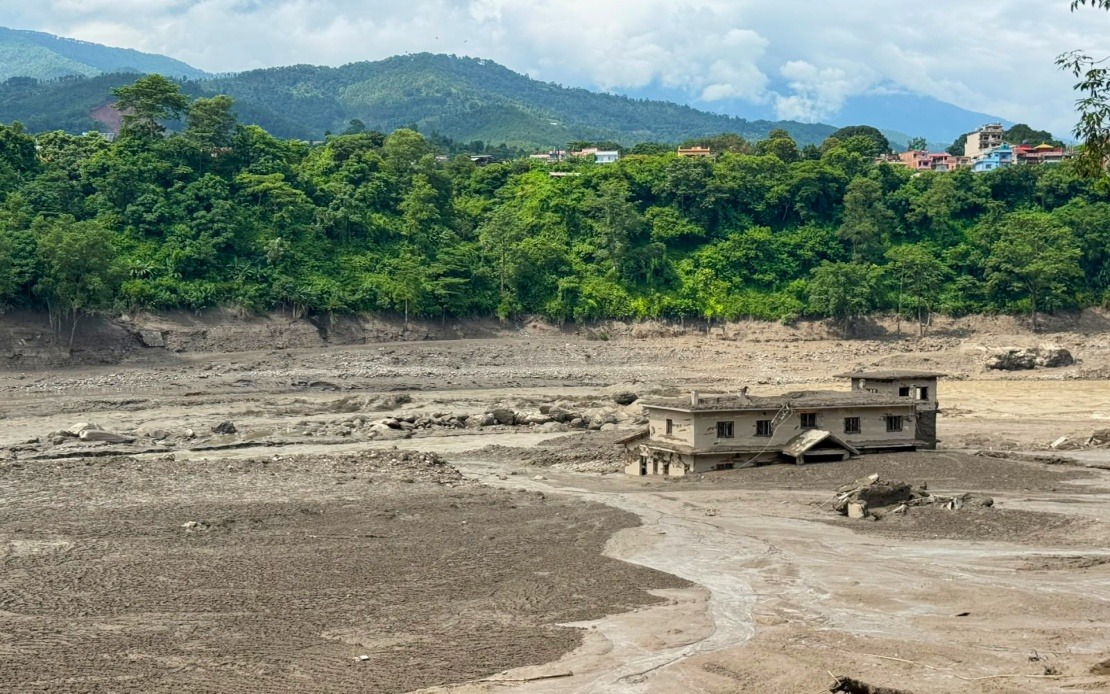
The disaster itself was triggered by a confluence of severe weather and geological factors. Intense rainfall combined with glacier landslides along the Bhote Koshi River to produce a cascade of destructive water that overwhelmed the Nepal-Tibet border area. The flooding severed the main highway connecting Rasuwa district to the national capital Kathmandu, creating a communication blackout that has complicated efforts to establish the status of those caught in the disaster zone. The rupture of telecommunications infrastructure has posed particular difficulty for Malaysian officials attempting to verify the whereabouts and condition of the missing citizens.
Prime Minister Anwar's statement via social media underscored the emotional toll of the crisis and the government's determination to pursue every available avenue to reunite affected families with their loved ones. He framed the situation as one demanding unified national resolve and invoked religious sentiment in urging Malaysians to sustain their prayers for the safe recovery of the missing. His reference to the MADANI Government's commitment signalled that this humanitarian response would continue to receive high-level political attention and resources.
The Foreign Ministry has assumed lead responsibility for coordinating the multi-agency response, maintaining continuous dialogue with Nepalese counterparts to access newly cleared areas within the disaster zone and obtain updated casualty and missing person information. This diplomatic approach reflects Malaysia's broader regional engagement strategy, leveraging established embassy networks and bilateral relationships to advance humanitarian objectives when citizens face emergencies abroad.
The deployment of High Commission personnel from Dhaka represents a practical acknowledgment that relief operations in Nepal's mountainous, infrastructure-damaged terrain require logistical support from adjacent jurisdictions. Bangladesh's geographic position and existing diplomatic presence provided a natural staging point for mobilising additional Malaysian government resources. This interconnected regional response demonstrates how Southeast Asian nations coordinate crisis management across borders when nationals require assistance.
For Malaysian citizens and their families, the unfolding situation underscores both the perils of travel to remote mountainous regions and the capacity of government institutions to mobilise resources during emergencies. The fact that 54 individuals remain uncontactable in the immediate aftermath suggests either that they were dispersed across the disaster zone at the moment of impact, or that the scale of infrastructure damage has prevented them from initiating contact. As communication networks are restored and rescue teams penetrate further into affected areas, the number of unaccounted citizens is likely to decrease as individuals are located and their status confirmed.
Nepal itself faces an enormous humanitarian challenge, with domestic rescue services already stretched thin managing the disaster's broader impact on local populations. The cooperation of Nepalese authorities with Malaysian officials reflects the international dimension of such crises, where multiple nations with affected citizens must coordinate their relief efforts while respecting the host nation's sovereignty and capacity constraints. This collaborative framework has become standard practice in the Asian region following previous major disasters.
The incident carries broader implications for Malaysians considering travel to Nepal, a popular destination for trekking, mountain tourism, and cultural tourism. While such disasters remain statistically rare, their occurrence highlights the importance of travel insurance, registration with embassies, and awareness of seasonal weather patterns in high-altitude regions. For tour operators and travel agencies, the situation may prompt renewed attention to safety protocols and communication contingencies for group expeditions in remote areas.
As the immediate crisis unfolds over the coming hours and days, the focus remains on expanding the search radius, restoring communication links, and verifying the status of each unaccounted Malaysian. The government has signalled its commitment to maintaining momentum in these efforts and providing regular updates to anxious family members awaiting news. Prime Minister Anwar's public acknowledgment of the crisis and reassurance that all necessary resources are being deployed aims to provide reassurance during an inherently uncertain and distressing period for those affected.

