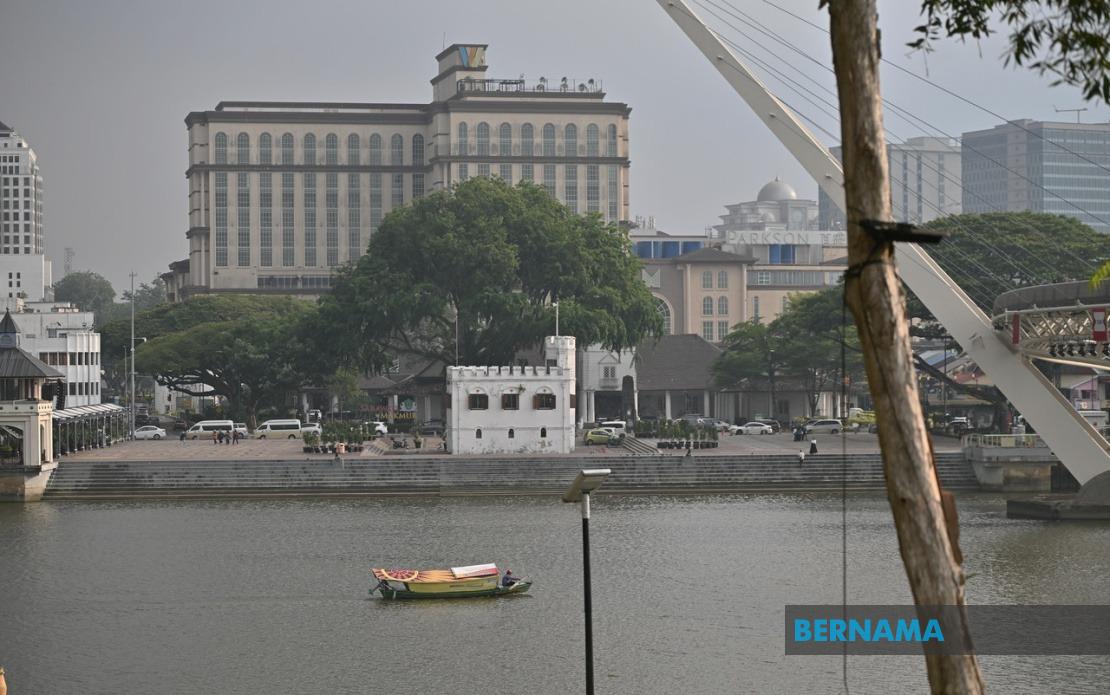
The resurgence of unhealthy air quality across parts of Sarawak and Peninsular Malaysia has reignited calls for a fundamental shift in how the country manages transboundary haze pollution. Alliance for a Safe Community chairman Tan Sri Lee Lam Thye contends that Malaysia has fallen into a predictable cycle of complacency, allowing the same environmental crisis to repeat annually without adequate preparation. The recent closure of six schools in Tebedu, Sarawak after the Air Pollutant Index exceeded 200 exemplifies the cascading disruptions that accompany haze episodes, yet these incidents continue to catch authorities off guard despite decades of experience.
The core issue, according to Lee, centres on governance philosophy. Rather than responding to haze crises as they develop, Malaysia's institutional framework should operate under continuous vigilance during vulnerable seasons. He emphasises that the deteriorating air quality now visible across multiple regions constitutes an early warning system that the government has repeatedly ignored. The window for preventive action narrows considerably once fires ignite and smoke begins crossing international borders, making it substantially more difficult and costly to contain the damage.
Sarawak's current situation warrants particular concern because the geographical and meteorological conditions there are inherently conducive to rapid fire propagation. Prolonged hot and dry weather creates the tinder-dry landscape in which fires spread with alarming speed, and prevailing wind patterns ensure that smoke drifts across borders into neighbouring jurisdictions. This vulnerability distinguishes Sarawak from other Malaysian regions and demands tailored monitoring and early intervention protocols designed specifically for its climate and terrain.
To address these systemic gaps, Lee has proposed a comprehensive five-point strategy beginning with the automatic activation of the National Haze Action Plan whenever early warning indicators reach predetermined thresholds. Rather than waiting for API readings to breach dangerous levels, this proactive framework would mobilise resources and coordination mechanisms while the situation remains manageable. The strategy also demands substantially enhanced monitoring of fire hotspots, fire-prone terrain, wind direction patterns, and real-time air quality measurements to enable decision-makers to initiate corrective action before conditions deteriorate irreversibly.
Regional cooperation represents the second pillar of Lee's framework. The ASEAN Agreement on Transboundary Haze Pollution, ratified by all member states in 2015, establishes the formal architecture for coordinated action, yet implementation remains inconsistent and sluggish. Lee argues that the existence of this agreement is insufficient without robust mechanisms ensuring timely ground-level action and meaningful enforcement. Malaysia must intensify its engagement with Indonesia and other regional neighbours, transforming the current framework from a symbolic commitment into an operational partnership characterised by rapid response and mutual accountability.
Domestic accountability constitutes an equally crucial dimension that Malaysian authorities frequently overlook. While transboundary contributions from Indonesian forest fires dominate headlines, domestic sources including illegal open burning, peat fires, agricultural land clearing, and inadequately supervised land clearing operations within Malaysia contribute meaningfully to air quality degradation. Lee insists that Malaysia must prioritise putting its own house in order, addressing these internal sources through stronger enforcement and regulatory compliance, whilst simultaneously pressing neighbouring countries to adopt similar standards. This balanced approach demonstrates commitment to environmental stewardship whilst building credibility for regional diplomatic efforts.
The economic and public health dimensions of transboundary haze extend far beyond temporary air quality inconvenience. The phenomenon triggers documented increases in respiratory illnesses, forces school disruptions that undermine educational continuity, and imposes substantial healthcare expenditure burdens on public and private systems alike. These cascading effects justify treating haze not merely as an environmental issue but as a holistic crisis affecting public health infrastructure, economic productivity, and social stability. Recognition of these interconnected impacts should elevate haze management from administrative bureaucracy to strategic priority status within government decision-making structures.
Enhancing public preparedness forms another critical component of Malaysia's defensive posture. Schools, hospitals, and workplaces require clearly articulated protocols specifying how operations should adapt during various air quality thresholds, enabling organisations to protect vulnerable populations including children and elderly residents. Equally important, the public must receive timely and accurate information regarding air quality conditions, enabling individuals to make informed decisions about outdoor activities and health precautions. Current information dissemination channels frequently suffer from delays and inconsistency, leaving communities uncertain about actual risk levels.
Lee advocates for a fundamental reframing of how Malaysian society conceptualises transboundary haze. Rather than treating it as an annual seasonal inconvenience to be endured, policymakers and the general public must recognise haze as a recurring regional disaster risk requiring year-round institutional attention and prevention investment. This cognitive shift would justify allocating dedicated budgetary resources, maintaining specialised technical expertise, and sustaining diplomatic engagement even during periods of clear skies. The principle that prevention costs substantially less than disaster response should guide budgetary allocation and priority-setting decisions across government ministries.
Optimising ASEAN's early-warning systems represents a practical mechanism for operationalising prevention philosophy. These systems aggregate meteorological data, fire detection information, and air quality measurements across the region, enabling coordinated analysis and rapid dissemination of actionable intelligence. However, their effectiveness depends entirely on whether recipient governments commit to immediate action upon receiving warning signals. Lee stresses that institutional protocols must mandate swift implementation of response measures when early-warning indicators flash, rather than allowing bureaucratic delays to erode the window for effective intervention.
The financial logic underlying prevention investment proves compelling when examined systematically. Haze-related healthcare costs, educational disruptions, lost worker productivity, and economic activity reductions accumulate into substantial regional expenses. Investing in prevention infrastructure, enhanced monitoring systems, and regional coordination mechanisms costs substantially less than absorbing these aggregate economic and social damages. However, this rational calculation only translates into policy action when government decision-makers genuinely internalise the cost-benefit analysis and demonstrate willingness to prioritise prevention despite competing budgetary pressures.
Implementing Lee's framework would require sustained political commitment transcending multiple government administrations and electoral cycles. The transboundary nature of haze pollution means that individual national actions prove insufficient without complementary efforts across Indonesia and other neighbours. Malaysia's diplomatic posture should emphasise that regional cooperation benefits all parties equally, reducing respiratory illness burdens, protecting agricultural productivity, and minimising economic disruption across Southeast Asia. Framing haze prevention as a shared regional challenge rather than a bilateral dispute with Indonesia creates political space for constructive engagement and collaborative problem-solving.

