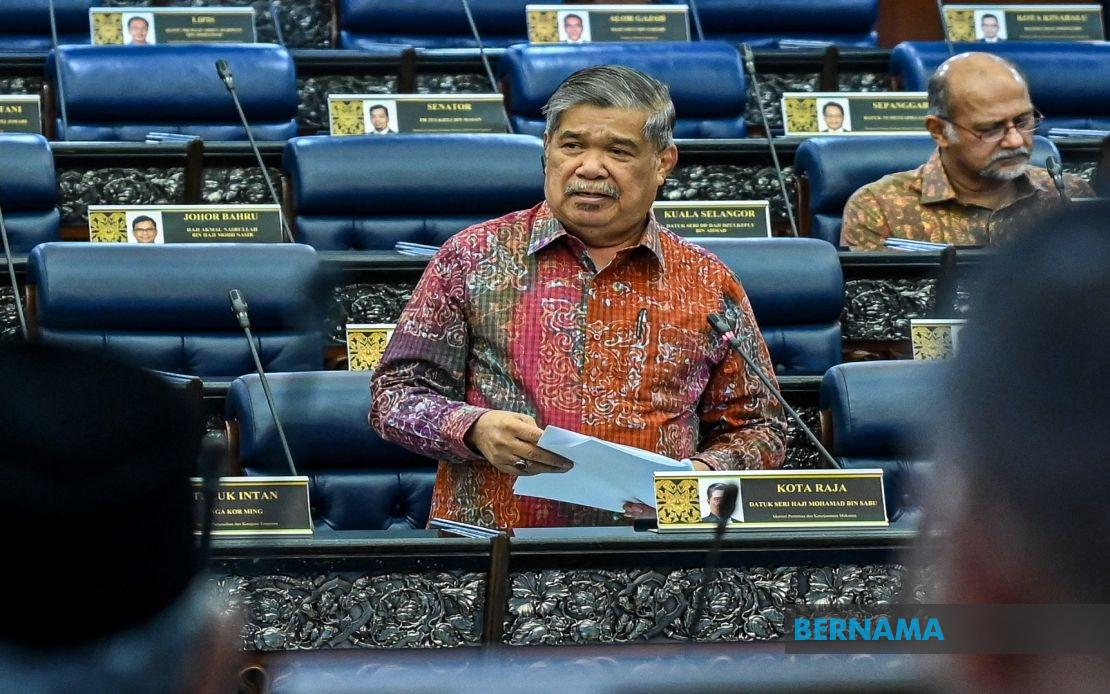
The Malaysian government is moving to bring unlicensed fishermen into the formal regulatory framework through a regularisation programme that periodically reopens licence applications to fill gaps created by cancelled permits. Agriculture and Food Security Minister Datuk Seri Mohamad Sabu announced the initiative in parliament, framing it as a pathway for coastal operators to transition from informal to legal status and access government support schemes.
The regularisation approach represents a pragmatic response to the persistent challenge of unlicensed fishing activity in Malaysian waters. Rather than relying solely on enforcement action against illegal operators, the government is offering a structured mechanism through which fishermen without proper documentation can apply for legitimate licences. This dual approach—combining compliance incentives with regulatory clarity—reflects lessons learned from fisheries management in other Southeast Asian nations where informal fishing sectors have proven difficult to regulate through prohibition alone.
Fishermen seeking special boat licences for Zone A operations, which cover coastal boat fishing, can now submit applications through their District Fisheries Office. The Fisheries Department has established specific eligibility criteria designed to ensure licences reach genuine working fishermen rather than speculators or individuals for whom fishing is secondary income. Minister Mohamad outlined that applicants must be at least 18 years old, in good health, and genuinely engaged in fishing as their primary livelihood. Notably, the scheme includes a pension income cap of RM2,200 monthly for retired applicants, ensuring that limited licence allocations benefit those most dependent on fishing revenues.
Applicants face substantial residency and operational requirements that serve as gatekeeping mechanisms. A 10-year residency confirmation from the fishing village headman establishes long-term community ties and local legitimacy. The requirement to demonstrate at least 120 days of annual sea-going activity annually serves dual purposes: it verifies genuine fishing engagement while setting a minimum operational threshold consistent with commercial fishing practice. Securing endorsement from the State Fisheries Office adds another layer of vetting, creating multiple checkpoints to verify eligibility before licences are issued.
Licence approval numbers reveal the careful, graduated pace of the regularisation process. Nationwide, the government approved 800 licences last year compared to 915 the previous year, indicating modest annual additions rather than wholesale opening of the sector. This measured approach reflects concerns about overfishing and resource depletion that animate modern fisheries policy across Southeast Asia. Malaysia's fishing grounds have faced mounting pressure from commercial operations, illegal fishing, and foreign vessels, making controlled licence expansion essential to sustainability objectives.
The regularisation programme directly addresses a longstanding tension between government enforcement priorities and community livelihood concerns. Traditional fishermen, particularly those operating under customary practices in specific communities, have sometimes found themselves at odds with licensing requirements designed for modern commercial operations. By creating a special pathway with criteria sensitive to traditional fishing patterns and community standing, the government acknowledges that one-size-fits-all licensing cannot effectively integrate diverse fishing populations into formal compliance frameworks.
Minister Mohamad emphasized that the scheme enables participating fishermen to access targeted government assistance programmes unavailable to unlicensed operators. These benefits likely include subsidised fuel, insurance support, training initiatives, and preference in seafood purchasing cooperatives. For fishing communities operating at subsistence or near-subsistence levels, such assistance can be transformative, improving operational viability while reducing the economic desperation that sometimes drives illegal fishing practices.
The government has committed to periodically reviewing the criteria governing licence issuance, signalling flexibility in adapting requirements to changing circumstances and demonstrated needs. This willingness to revisit eligibility standards represents implicit acknowledgment that fishing realities—technological change, climate impacts, shifting migration patterns—may require periodic calibration of regulatory frameworks. However, Minister Mohamad also stressed that fundamental conditions ensuring genuine eligibility would remain in place, resisting pressure for blanket relaxation that might undermine the scheme's credibility.
Transparency concerns emerged during parliamentary questioning, with opposition raised regarding the clarity of selection criteria and potential for opaque decision-making. Minister Mohamad responded by inviting written complaints and direct engagement with Fisheries Department officers, establishing accountability mechanisms intended to catch inappropriate licence issuance. He explicitly welcomed reports of non-fishermen obtaining licences and promised corrective action, recognizing that public confidence in the scheme depends on perceptions of fair administration.
For Malaysia's fishing sector broadly, the regularisation programme carries implications extending beyond immediate licence issuance. It signals government priority on formalising economic activity, improving revenue compliance, and strengthening data collection on fishing capacity and operations. Better registration of actual fishing effort helps regulatory agencies enforce sustainability measures more effectively and negotiate international fishing rights with greater precision regarding domestic fleet composition and catch patterns.
The initiative also reflects Malaysia's broader commitment to sustainable fisheries management aligned with regional standards and international best practices. Southeast Asian nations face collective pressure to address illegal, unreported, and unregulated fishing that threatens shared maritime resources. By bringing more fishermen into formal licensing systems, Malaysia demonstrates commitment to these frameworks while providing livelihood security to communities historically marginalised from formal markets.
Regionalisation of fishing pressure adds urgency to Malaysia's regularisation efforts. As commercial fishing intensifies across Southeast Asia and foreign vessels test maritime boundaries, having a comprehensive, legitimate domestic fishing registry becomes increasingly valuable for resource protection and sovereignty demonstration. The programme thus serves multiple objectives simultaneously: livelihood support, sustainability management, economic formalisation, and strategic maritime interests.

