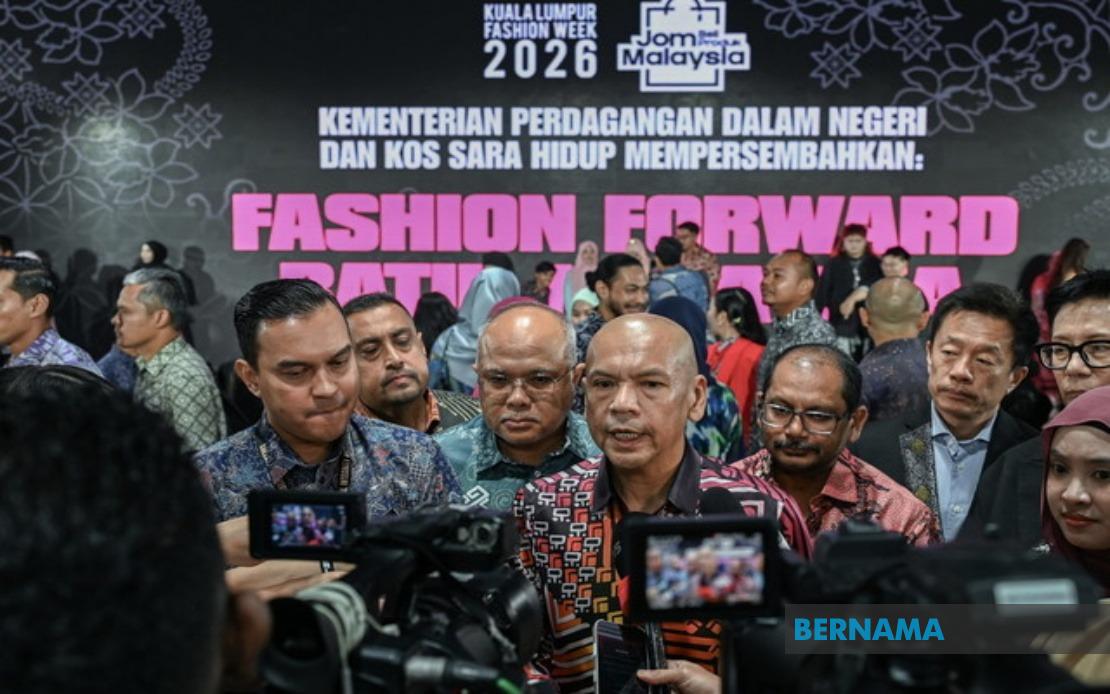
The Malaysian government has launched a structured consultation process to gather recommendations from stakeholders on enhancing the nation's approach to promoting domestic products and supporting local businesses. Domestic Trade and Cost of Living Minister Datuk Armizan Mohd Ali announced the initiative at the Kuala Lumpur Fashion Week 2026, emphasising that feedback can be submitted directly to the ministry or relevant government agencies. These inputs will subsequently be presented to a newly established Cabinet Committee dedicated to strengthening the use and purchase of local products, which is expected to convene its inaugural meeting in the coming weeks.
This consultation framework represents a deliberate shift towards more integrated policymaking across government. Armizan highlighted that the traditional approach of ministries and agencies operating independently has limited the effectiveness of efforts to promote local industries. By creating a centralised mechanism for stakeholder input, the government hopes to develop coherent strategies that genuinely reflect the needs and concerns of businesses, entrepreneurs, and industry players rather than imposing top-down solutions disconnected from market realities.
The Cabinet Committee tasked with this responsibility was formally established in July and operates under the stewardship of Deputy Prime Minister Datuk Seri Fadillah Yusof. The KPDN serves as the secretariat, coordinating contributions from an extensive network of government bodies including the Ministry of Economy, the Ministry of Investment, Trade and Industry, the Ministry of Tourism, Arts and Culture, the Ministry of Entrepreneur Development and Cooperatives, and the Finance Ministry. This multi-agency structure underscores the government's recognition that promoting local products requires a comprehensive, cross-sectoral approach rather than isolated departmental initiatives.
The committee's strategic objectives extend beyond simple nationalism or protectionism. Officials frame the initiative as addressing several interconnected economic challenges, including excessive reliance on imported goods, the need to boost domestic products' contribution to economic growth, and providing meaningful support to local entrepreneurs navigating an increasingly competitive marketplace. The proliferation of foreign products entering Malaysia through conventional retail channels and online platforms has intensified pressure on domestic businesses, creating a sense of urgency around the government's intervention.
Armizan's remarks at the fashion week event demonstrate the government's intent to leverage existing platforms and events as vehicles for promoting local products globally. The Kuala Lumpur Fashion Week, which generated USD32 million in media value during its previous iteration, exemplifies how strategic collaborations between government and private sector events can amplify the international visibility of Malaysian products. The KPDN's partnership with KLFW forms part of the broader Jom Beli Produk Malaysia movement, which uses collaborative engagement with industry players to strengthen local brand positioning.
The batik segment featured at this year's fashion week holds particular significance within Malaysia's cultural and creative economy. Batik production represents a traditional craft with deep cultural roots and considerable commercial potential, especially as international consumer interest in authentic, artisanal products continues to grow. By positioning batik and other local cultural products at major international fashion events, Malaysia can access premium market segments and establish stronger brand identity for its creative industries.
Recent economic data supports the government's focus on the cultural and creative sectors as engines for growth. According to the 2024 Cultural and Creative Satellite Account Report, these industries contributed RM130.7 billion to gross domestic product, representing 6.8 per cent of total GDP. This substantial contribution demonstrates that investments in promoting local creative products yield returns that extend far beyond the participating businesses themselves, generating employment, foreign exchange, and positioning Malaysia as a culturally significant player in regional and global markets.
For Malaysian entrepreneurs and small-to-medium enterprises, this consultation process offers a critical opportunity to voice concerns and shape the policy environment that will govern their operations over the coming years. The emphasis on gathering stakeholder feedback suggests the government recognises that frontline businesses possess invaluable insights about market dynamics, competitive pressures, and regulatory obstacles that policymakers may not fully appreciate. Entrepreneurs should view the open invitation to submit proposals as an opportunity to influence decisions affecting access to government support, trade promotion resources, and domestic market protection measures.
The initiative also carries implications for regional trade dynamics. As Malaysia strengthens coordination around local product promotion, neighbouring countries across Southeast Asia are implementing comparable strategies. Thailand's ongoing emphasis on promoting Thai silk and handicrafts, Vietnam's focus on traditional products, and Indonesia's support for batik and other indigenous crafts represent parallel efforts across the region to compete in global markets while supporting domestic producers. Malaysia's structured approach through a Cabinet Committee provides a framework that could enhance regional collaboration and potentially lead to coordinated promotion of Southeast Asian products internationally.
For Malaysian consumers, the government's emphasis on local product quality and availability suggests an emerging shift in retail landscapes. Increased visibility and accessibility of domestically produced goods, particularly through online platforms where foreign competition has been most acute, may provide more convenient alternatives to imported products. However, the policy's success ultimately depends on whether local producers can deliver products that match consumer expectations regarding quality, price, and variety.
The open consultation process announced by KPDN represents a pragmatic recognition that effective economic policy requires genuine dialogue between government and the business community. By explicitly inviting stakeholders to submit feedback, the government acknowledges that sustainable support for local industries must be grounded in understanding market realities and entrepreneurial constraints. This approach contrasts with earlier eras of heavy-handed protectionism and suggests Malaysia's policymakers are seeking to develop smarter, more flexible mechanisms for supporting domestic industries in an increasingly complex global marketplace.

