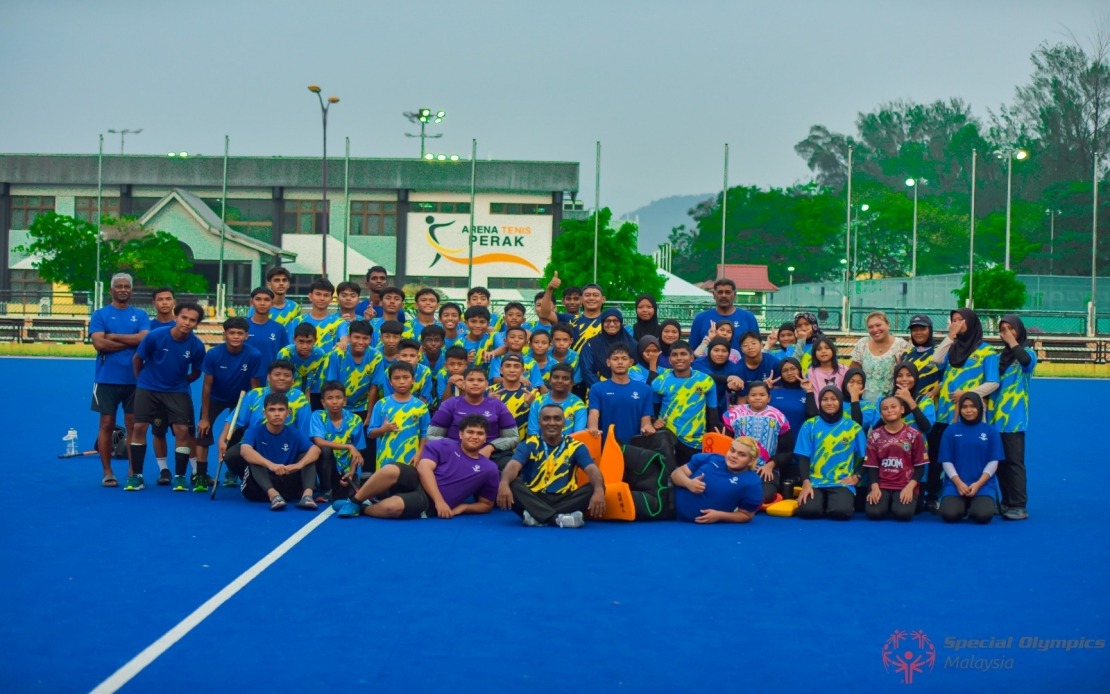
Malaysia is poised to make its mark on the global para hockey stage next month when a specially selected 10-member squad travels to Belgium and the Netherlands for the inaugural FIH Para Hockey ID World Cup. The tournament, scheduled for August 20 to 25, represents a watershed moment for para sports in Malaysia, offering local athletes an opportunity to demonstrate their capabilities in the intellectual disability category on the world's premier platform. The squad composition of six men and four women reflects a balanced approach to mixed-gender competition, with each athlete selected following a rigorous evaluation process that began in December 2025.
The selection criteria employed by Malaysian sports officials prioritised more than raw talent alone. Shanker Retinam, assistant head of the national delegation, emphasised that the evaluation framework incorporated performance metrics, dedication to structured training regimens, and demonstrated discipline both on and off the field. This multifaceted approach suggests that Malaysian para hockey authorities have adopted international best practices in team development, recognising that success at world cups extends beyond individual skill to encompass the collective cohesion and professionalism of the entire squad. The emphasis on these broader qualities indicates a strategic maturity in how Malaysia is approaching its participation in this inaugural event.
Preparation for the competition has been comprehensive and methodical. Since their formal selection, the squad members have participated in monthly centralised training sessions held in Ipoh, the capital of Perak state. This concentrated training approach ensures that despite Malaysia's geographic spread, the team develops unified tactical understanding, builds interpersonal chemistry, and maintains competitive fitness levels throughout the selection period. Such dedicated preparation demonstrates institutional commitment to para hockey development and signals Malaysian ambitions to establish a sustained presence in international para sports rather than treating the World Cup as a one-off appearance.
The prestige of competing at the FIH Para Hockey ID World Cup is amplified by the tournament's unique positioning within the global hockey calendar. Rather than existing in isolation, the para hockey competition will share venues and timing with the prestigious Men's and Women's Hockey World Cups simultaneously across Belgium and the Netherlands. This co-location creates unprecedented visibility for para hockey on the international stage and provides Malaysian players with the psychological boost of competing in the same facilities and within the same timeframe as elite able-bodied hockey nations. The arrangement also signals the International Hockey Federation's commitment to elevating para hockey's status within the sport's hierarchy.
Malaysia's competitive challenge will be significant but measured. The tournament format brings together 16 of the world's strongest para hockey teams, providing a genuinely elite competitive environment. The Malaysian squad has been placed in Pool B alongside established hockey nations including the Netherlands, Argentina, England, and Spain, alongside other competitive sides from India, Chile, and Bulgaria. This grouping ensures that Malaysian players will face diverse tactical approaches and playing styles, offering invaluable exposure to international competition. The squad's inaugural match against Bulgaria in the Netherlands will serve as a critical early test of their preparation and competitive readiness.
The logistical planning for this expedition reflects the scale of commitment from Malaysian sports administration. The national team is scheduled to depart for Europe on August 17, providing several days for acclimatisation, training adjustment to local conditions, and psychological preparation before competition commences. This lead-in period, though brief, demonstrates consideration for the challenges posed by the significant time zone differential and environmental adjustments required when Malaysian athletes travel to Northern Europe during summer conditions.
The symbolic importance of this World Cup appearance extends beyond the athletes themselves. Sultan Nazrin Shah, the Sultan of Perak, will officiate at a flag-handover ceremony at the Royal Perak Golf Club, lending ceremonial weight to the occasion. This high-level patronage reflects how Malaysian political leadership recognises the importance of para sports development and the role that international competition plays in advancing inclusivity within the national sports ecosystem. The ceremonial send-off underscores that this team represents not merely individual athletes but carries broader national aspirations.
For Malaysian para sports advocates, this World Cup represents a crucial inflection point. Historically, para sports have commanded less institutional attention and media coverage compared to able-bodied athletics, despite the exceptional talent within the para sports community. The FIH Para Hockey ID World Cup provides an opportunity to elevate the profile of para athletes and demonstrate to policymakers and the public the competitive excellence achievable through dedicated development pathways. A strong showing in Belgium and the Netherlands could catalyse increased investment in para sports infrastructure and talent identification programmes domestically.
The tournament also carries strategic implications for Southeast Asian para sports development more broadly. Malaysia's participation in a world-class para hockey competition could inspire regional neighbours to invest in para sports development and potentially establish a Southeast Asian para hockey conference or series of competitions. Regional cooperation in para sports remains underdeveloped compared to able-bodied athletics, yet the infrastructure, expertise, and athlete talent pools exist across multiple Southeast Asian nations. Malaysia's World Cup participation might serve as a catalyst for greater regional coordination and mutual development.
The intellectual disability classification under which Malaysian athletes will compete represents a specific para sports category that requires particular technical and strategic adaptation. Para hockey rules and playing conditions differ from conventional hockey in ways that require distinct skill development and tactical understanding. Malaysian players' preparation in Ipoh has necessarily incorporated coaching expertise in these specific adaptations, suggesting that the Malaysian para hockey coaching staff has accessed international knowledge and expertise to ensure technical alignment with world standards. This knowledge transfer component of participation extends beyond the athletes themselves to broader capacity building within Malaysian coaching and administrative ranks.
Looking ahead, the performance metrics from the World Cup will likely inform Malaysian sports policy decisions regarding para hockey funding, facility development, and talent pathway investment for subsequent Olympic and Paralympic cycles. International competition results often function as evidence within the advocacy frameworks that para sports leaders employ when seeking domestic funding increases and policy support. Strong performances in Belgium and the Netherlands could provide Malaysian para hockey advocates with credible data to support expansion arguments within government budget allocation discussions.
The inaugural nature of the FIH Para Hockey ID World Cup itself carries historical significance. As the first tournament of this scale specifically for para hockey athletes with intellectual disabilities, it establishes benchmarks and baseline competitions that will inform the sport's future development. Malaysia's participation in this foundational event positions the nation within the emerging para hockey landscape at an early stage, potentially allowing Malaysian expertise to influence how the sport's international governance structures develop and expand in subsequent years. This inaugural participation thus carries implications extending well beyond the immediate competition results.

