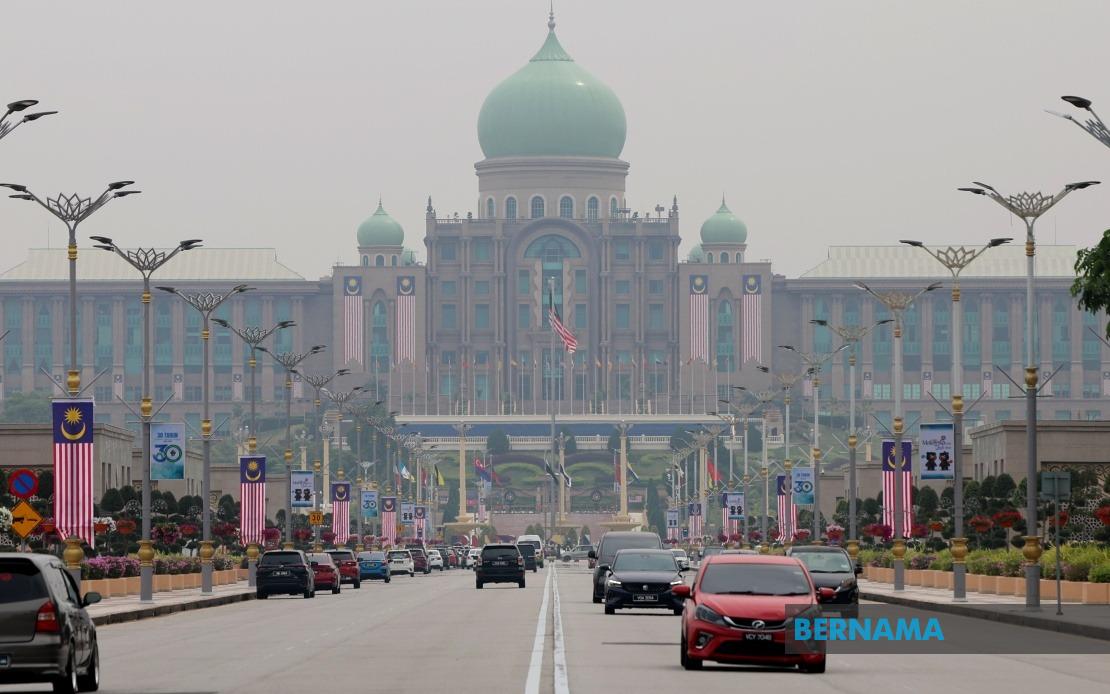
Malaysia is pressing for a coordinated regional response to the mounting threat of transboundary haze, calling on all ASEAN member states to bolster their defences through enhanced monitoring, stricter enforcement, and seamless information sharing. The urgency of this appeal reflects growing concern over fire activity patterns across Southeast Asia, where weather conditions are creating favourable circumstances for the spread of smoke and pollution across borders. Natural Resources and Environmental Sustainability Minister Datuk Seri Arthur Joseph Kurup conveyed Malaysia's formal position to ASEAN Secretary-General Dr Kao Kim Hourn, emphasising that the region cannot afford complacency even as fire incidents remain contained within individual countries.
The minister's call underscores a fundamental reality of regional environmental governance: smoke and ash respect no borders. While fire incidents are currently being managed within the respective territories of ASEAN nations, the atmospheric consequences of large-scale burning inevitably drift across maritime and land boundaries, affecting neighbouring populations far from the original source. This transnational dimension of the haze problem demands responses that transcend national silos and require genuine cooperative frameworks rather than unilateral action alone.
Central to Malaysia's appeal is a multi-layered approach grounded in the ASEAN Agreement on Transboundary Haze Pollution. The framework calls for strengthened control mechanisms, enhanced surveillance of high-risk zones, rigorous enforcement of open burning prohibitions, and maintaining combat-ready firefighting capabilities throughout the region. These measures are not new propositions but represent proven interventions that, when implemented consistently and simultaneously across member states, can significantly reduce the probability of haze events reaching crisis proportions. The emphasis on "heightened vigilance" at the regional level signals Malaysia's recognition that individual preparedness, though necessary, is insufficient without complementary action elsewhere.
Meteorological developments have sharpened the urgency of this moment. Data on current weather patterns reveals that the southern sections of ASEAN have experienced prolonged dry conditions, circumstances that directly correlate with increased hotspot activity. These hotspots—areas of fire and burning—are not random occurrences but follow predictable patterns related to land clearing practices, agricultural cycles, and climatic fluctuations. The extended dryness documented across the region has created conditions where fires, once ignited, spread more rapidly and extensively than during normal seasons, multiplying the challenge for local firefighting services.
The El Niño phenomenon compounds these immediate concerns. Climate scientists project that this natural climate cycle will gradually intensify over the coming months, potentially extending the dry season and amplifying heat stress across the region. El Niño's strengthening typically corresponds with reduced rainfall and elevated temperatures, both of which elevate fire risk and make haze events more severe and prolonged when they occur. For Malaysia and other ASEAN nations with vulnerable sectors including agriculture, tourism, and public health, the convergence of current dry conditions with an anticipated El Niño intensification represents a potentially dangerous window requiring preemptive rather than reactive policy responses.
Malaysia's diplomatic overture simultaneously acknowledges and reinforces the institutional mechanisms already in place for regional cooperation. The ASEAN Secretariat's role as the Interim ASEAN Coordinating Centre for Transboundary Haze Pollution Control represents a meaningful institutional commitment to information dissemination and coordinated preparedness. By commending the Secretariat's proactive engagement, Malaysia signals confidence in existing structures while subtly encouraging all member states to utilise these platforms more actively. This diplomatic framing avoids the appearance of blame-shifting while maintaining gentle pressure on lagging countries to contribute more robustly to collective efforts.
Accurate and timely information exchange forms a critical pillar of the proposed response. When fires break out in one nation, neighbouring countries require prompt, detailed notification to initiate preventive measures and prepare populations for potential air quality deterioration. Communication gaps or delays can leave communities exposed and render mitigation efforts ineffective. Similarly, technical data on fire locations, intensity, and projected smoke trajectories enable more efficient resource deployment and more targeted public health advisories. Malaysia's emphasis on "early interventions" and "accurate information exchange" reflects accumulated experience from previous haze events where delays in communication compounded impacts.
The interconnectedness of ASEAN economies and societies means that haze events carry consequences far beyond air quality metrics. Tourism industries dependent on clear skies and outdoor activities suffer significant revenue losses. Agricultural output declines due to reduced sunlight and altered growing conditions. Public health systems face surges in respiratory illness presentations. Educational institutions may close schools, disrupting student progress. Supply chains for regional manufacturers become unstable as visibility-dependent operations halt. These cascading economic and social consequences explain why haze management represents not merely an environmental issue but a matter of regional prosperity and stability.
Malaysia's framing of transboundary haze as a climate challenge reflects the reality that fire management cannot be decoupled from broader climate adaptation strategies. As global temperatures rise and weather patterns become more volatile, the frequency and severity of drought conditions that precipitate haze events may increase over coming decades. This long-term perspective justifies investment in resilience-building measures even during periods of relative calm, when political attention naturally drifts toward other priorities. Countries that strengthen their monitoring and enforcement infrastructure today position themselves better to withstand future environmental stresses.
The minister's statement emphasises that collective action can enhance "regional resilience," a concept gaining prominence in ASEAN policy discourse. Resilience here encompasses not merely the capacity to endure haze events but to minimise their probability through prevention and to respond effectively when they occur. Building regional resilience requires commitments that transcend electoral cycles and fiscal constraints in individual nations, reflecting recognition that environmental security ultimately underpins economic and social stability for all member states.
Malaysia's diplomatic initiative arrives at a critical juncture when early intervention remains possible. The dry conditions and hotspot activity documented now provide opportunity for intensified prevention efforts before conditions deteriorate further. Should the El Niño phenomenon strengthen as projected, a period of heightened haze risk may extend months into the future, underscoring the value of mobilising ASEAN machinery now rather than attempting crisis response amid peak fire season. The statement's emphasis on prevention, preparedness, and monitoring reflects this temporal calculus.
The appeal also carries implicit recognition that transboundary haze cannot be solved through technological solutions alone. Fire prevention requires human behavioural change, enforcement of regulations at local levels, and incentives that encourage agricultural and industrial practices incompatible with open burning. These behavioural and institutional dimensions of haze control demand persistent policy pressure and political commitment across multiple countries simultaneously. Malaysia's push for collective ASEAN action thus addresses not merely technical coordination but the deeper challenge of sustaining political will for haze prevention across the entire region for the months ahead.

