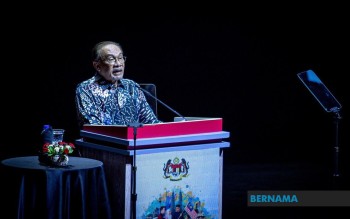
Malaysia has significantly eased compliance requirements for its vast base of micro, small and medium enterprises by doubling the e-invoicing implementation threshold to RM3 million in annual revenue. The decision, announced by Prime Minister Datuk Seri Anwar Ibrahim during the 2026 National Day Prime Minister's Address, represents a substantial policy shift aimed at reducing administrative burdens on smaller business operators struggling with digitalisation costs. The Inland Revenue Board (LHDN) confirmed the new threshold takes effect on September 1, broadening the exemption to encompass more than 1.1 million businesses that previously faced mandatory compliance deadlines.
The elevation of the threshold from the original RM1 million level reflects the government's acknowledgment that premature digitalisation mandates can stifle business growth rather than facilitate it. Many MSMEs in Malaysia, particularly those operating in retail, hospitality, manufacturing and service sectors, have cited the technical requirements and investment costs associated with e-invoicing systems as significant obstacles to compliance. By extending relief to businesses earning below RM3 million annually, the MADANI administration has effectively quarantined a substantial segment of the economy from immediate digital transformation requirements, allowing enterprises more time to build capacity and financial resilience before adoption becomes compulsory.
The LHDN framed the policy adjustment as demonstrating the government's commitment to alleviating financial and operational strain on smaller enterprises. Rather than imposing rigid compliance timelines, officials emphasised that the decision provides businesses with expanded opportunity to concentrate resources on core operations, revenue growth and market expansion. This approach aligns with broader economic policy objectives of strengthening the MSME sector, which collectively generates significant employment and contributes substantially to Malaysia's gross domestic product despite operating with tighter profit margins and fewer administrative resources than larger corporations.
Despite granting exemptions to the majority of small operators, LHDN simultaneously encouraged voluntary participation in e-invoicing among exempted businesses. This dual approach maintains momentum towards the government's digitisation aspirations while respecting resource constraints faced by smaller enterprises. The board emphasised that early adopters among MSMEs would position themselves advantageously for future regulatory changes and gain operational efficiencies associated with automated invoicing systems. Voluntary participation also allows LHDN to gather data on implementation challenges and refine support mechanisms before any future expansion of mandatory requirements.
The government has committed substantial resources to supporting businesses already subject to e-invoicing obligations and those voluntarily adopting the system. LHDN operates comprehensive education programmes, hand-holding initiatives and continuous engagement sessions designed to demystify the technical requirements and reduce adoption friction. These support mechanisms address a critical implementation challenge: many Malaysian business owners, particularly in rural areas and among older entrepreneurs, lack familiarity with digital systems and require patient, accessible guidance to successfully transition to new compliance frameworks. Without such support infrastructure, even well-intentioned regulatory changes risk creating confusion and non-compliance rather than achieving their intended objectives.
The tax authority has developed multiple resources to facilitate understanding and implementation of e-invoicing requirements among participating businesses. These include detailed guides and instructional videos covering the MyInvois Portal, the dedicated MyInvois mobile application and the MyInvois e-POS system designed for point-of-sale operations. By providing comprehensive instructional materials across multiple platforms and formats, LHDN has attempted to accommodate varying levels of digital literacy and business infrastructure. The MyInvois Live Chat function offers real-time technical support, while the dedicated helpline and email channels ensure businesses can access assistance through communication methods they find most comfortable, from telephone calls to written correspondence.
Since mandatory e-invoicing implementation commenced on August 1, 2024, LHDN reported that 265,379 taxpayers have submitted electronic invoices, collectively processing more than 1.84 billion transactions through the system. This substantial volume demonstrates significant market adoption and reveals that businesses have developed working familiarity with the technical requirements within the first year of implementation. The impressive submission numbers suggest that early concerns about widespread non-compliance may have been overstated, indicating that businesses can absorb digital transformation requirements when provided adequate support, realistic timelines and compliance flexibility.
The successful early adoption among mandatory participants provides valuable evidence supporting the government's confidence in phased, threshold-based rollout strategies. Rather than pursuing system-wide digitisation across all enterprises simultaneously, Malaysia's incremental approach allows regulatory authorities to refine implementation procedures, identify systemic problems and adjust support mechanisms based on real-world experience. This methodology contrasts with more aggressive digitalisation mandates implemented in other jurisdictions, which have frequently generated significant business disruption and non-compliance without delivering proportionate benefits.
For the broader Southeast Asian region, Malaysia's approach to balancing digitisation objectives against practical compliance challenges offers instructive lessons. Many economies across ASEAN face similar demographic and infrastructure realities: millions of small enterprises operated by entrepreneurs with limited digital exposure, dispersed geographic distribution making in-person support difficult, and constrained government budgets for implementation infrastructure. Malaysia's emphasis on voluntary participation, accessible support mechanisms and threshold-based mandatory requirements provides a model that other nations might adapt to their specific contexts and capabilities.
The LHDN has established multiple channels through which businesses can access support or submit inquiries regarding e-invoicing obligations and procedures. Beyond the dedicated helpline at 03-8682 8000, taxpayers can visit LHDN offices for in-person assistance or utilise the MyInvois Live Chat feature on the official microsite. Email inquiries can be directed to [email protected], while the MyInvois Customer Feedback Form provides a structured mechanism for businesses to report problems, suggest improvements or seek clarification on specific implementation questions. This multi-channel approach recognises that different businesses prefer different communication modalities and that accessibility across various platforms increases the likelihood that enterprises will seek necessary support rather than struggle independently.
The policy announcement and implementation framework reflect evolving recognition that regulatory compliance objectives must account for the structural realities and constraints facing targeted business populations. While government authorities worldwide increasingly emphasise digitalisation and data transparency for tax administration and financial oversight, the practical implementation of such requirements must accommodate diverse business capabilities, technological infrastructure and resource availability. Malaysia's adjustment of the e-invoicing threshold demonstrates that effective regulation balances ambitious policy objectives against pragmatic acknowledgment of implementation challenges, creating pathways toward long-term digital transformation without undermining the viability of the enterprises expected to participate.

