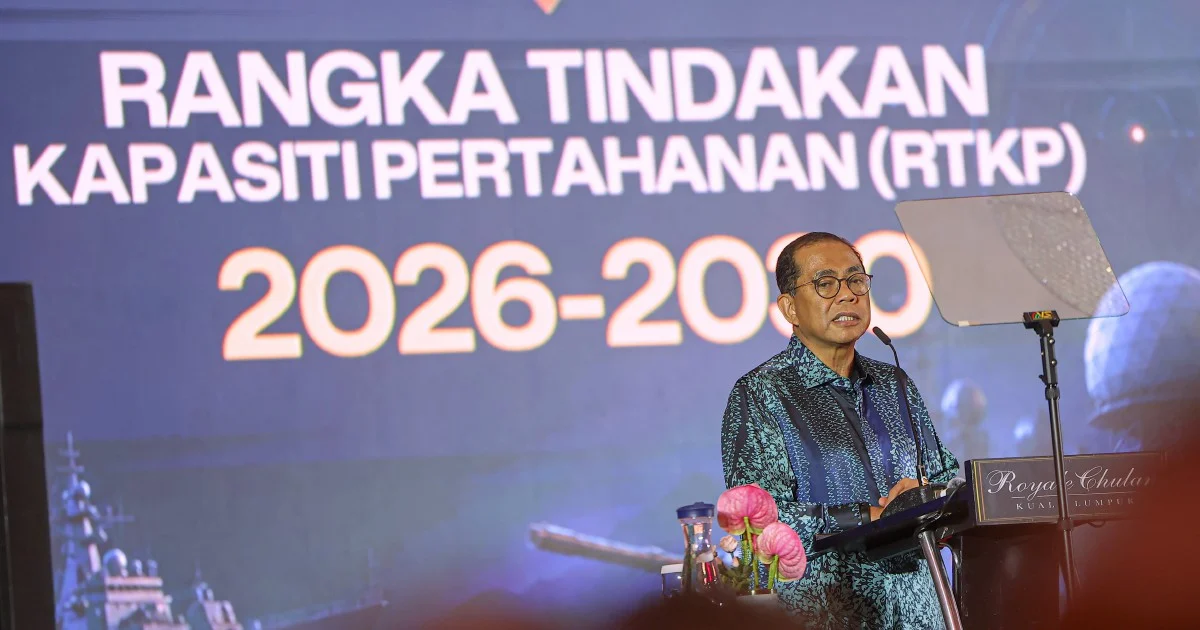
Malaysia's defence establishment has indicated its readiness to navigate the diplomatic and contractual fallout from Norway's decision to withdraw from a missile supply arrangement affecting the country's amphibious naval capability. Defence Minister Datuk Seri Mohamed Khaled Nordin made the statement as the government grapples with the implications of the Scandinavian nation's termination of an agreement that was central to equipping the six Littoral Combat Ships now under construction for the Royal Malaysian Navy.
The cancellation represents a significant complication for one of Malaysia's most substantial defence procurement initiatives in recent years. The LCS vessels, which form the backbone of the navy's modernisation strategy, were designed to carry an array of advanced weaponry including the Norwegian missile systems that are now no longer available. The withdrawal creates both technical and financial challenges as the navy must now either identify alternative suppliers or explore modifications to the existing vessels to accommodate different weapons platforms.
Norway's decision to revoke the missile supply agreement touches on broader geopolitical sensitivities regarding defence partnerships and arms transfers in Southeast Asia. Malaysia's strategic position as a major trading nation and the region's largest economy makes such procurement decisions consequential not only for military readiness but also for maintaining the network of technological partnerships that underpin modern defence capabilities. The issue has become urgent precisely because several of the LCS vessels are already at advanced stages of construction, meaning design changes now would likely incur additional costs and potentially delay commissioning timelines.
The nature of international defence contracts means that resolving such disputes typically requires multi-level engagement spanning military liaisons, diplomatic channels, and sometimes trade negotiations. Khaled's signal of government willingness to engage suggests that Malaysia is pursuing a solution-oriented approach rather than escalating the dispute. This pragmatic stance reflects awareness that defence partnerships, particularly with developed nations that possess advanced military technologies, require careful management and relationship-building over the long term.
For Malaysia's naval planners, the cancellation forces a recalculation of strategic priorities and spending allocations. The LCS programme itself has faced scrutiny over costs and timelines, with construction taking longer than initially projected. Adding to this burden the need to source alternative missile systems or redesign portions of the vessels places additional pressure on defence budgets already stretched across multiple modernisation requirements. The programme's total value represents a substantial commitment of national resources, making any disruption to its planned progression a matter of serious concern for policymakers.
The underlying reasons for Norway's withdrawal remain central to understanding how Malaysia might proceed. International arms transfer decisions are frequently influenced by geopolitical considerations, trade relationships, and domestic political factors in the supplying nation. Whether the cancellation reflects shifts in Norway's foreign policy priorities, commercial pressures, or specific concerns about end-use applications will shape the contours of any negotiated settlement. Malaysia's approach will likely need to address these underlying drivers rather than simply appealing for contract reinstatement.
From a regional perspective, Malaysia's experience here resonates with challenges faced by other Southeast Asian nations seeking to upgrade their military capabilities. Many countries in the region depend on Western suppliers for advanced defence systems, creating vulnerabilities when supply arrangements encounter complications. The situation underscores the importance of maintaining robust defence relationships and ensuring contracts include sufficient flexibility to accommodate potential changes or disruptions. It also highlights the value of developing backup options and diversifying supplier networks across different weapons platforms and technologies.
The government's willingness to engage constructively appears grounded in recognition that the LCS programme cannot succeed without resolving the weapons integration question. The vessels were purpose-built with specific technical specifications related to the Norwegian missile systems, and reverting to entirely different weapons platforms would require substantial redesign work. This structural constraint means that Malaysia essentially needs to find a workable solution, whether through renegotiating with Norway or securing equivalent systems from alternative sources that can integrate effectively with the existing ship designs.
These discussions will likely involve technical assessments of alternative missile systems that could perform equivalent roles, alongside commercial negotiations about costs and timelines. If alternative suppliers are identified, the transition itself requires planning to ensure that weapon integration proceeds smoothly and that crew training protocols account for the new systems. The overall timeline for the LCS programme, already extending well beyond original schedules, will be another factor influencing how quickly any resolution can be implemented.
Looking ahead, resolving this dispute could establish useful precedents for how Malaysia manages complex defence partnerships. The approach Khaled has outlined—emphasising dialogue and collaborative problem-solving—suggests the government recognises that defence cooperation, even when contracts encounter difficulties, benefits from maintaining professional relationships and seeking mutually acceptable outcomes. Such an approach may also serve Malaysia's interests in future defence partnerships as international confidence in the country's willingness to work through challenges constructively influences supplier confidence and competitive bidding.
The broader defence and security landscape of Southeast Asia will be watching how Malaysia navigates this situation. Successful resolution could reinforce confidence in Malaysian defence planning capabilities and demonstrate the country's capacity to manage complex international procurement programmes effectively. Conversely, prolonged disputes could raise concerns among potential defence partners about the sustainability of long-term relationships. For now, the government's stated readiness to resolve the impasse suggests Malaysian officials recognise that pragmatism, sustained engagement, and flexible problem-solving offer the most promising path toward reinstating the LCS programme's timeline.

