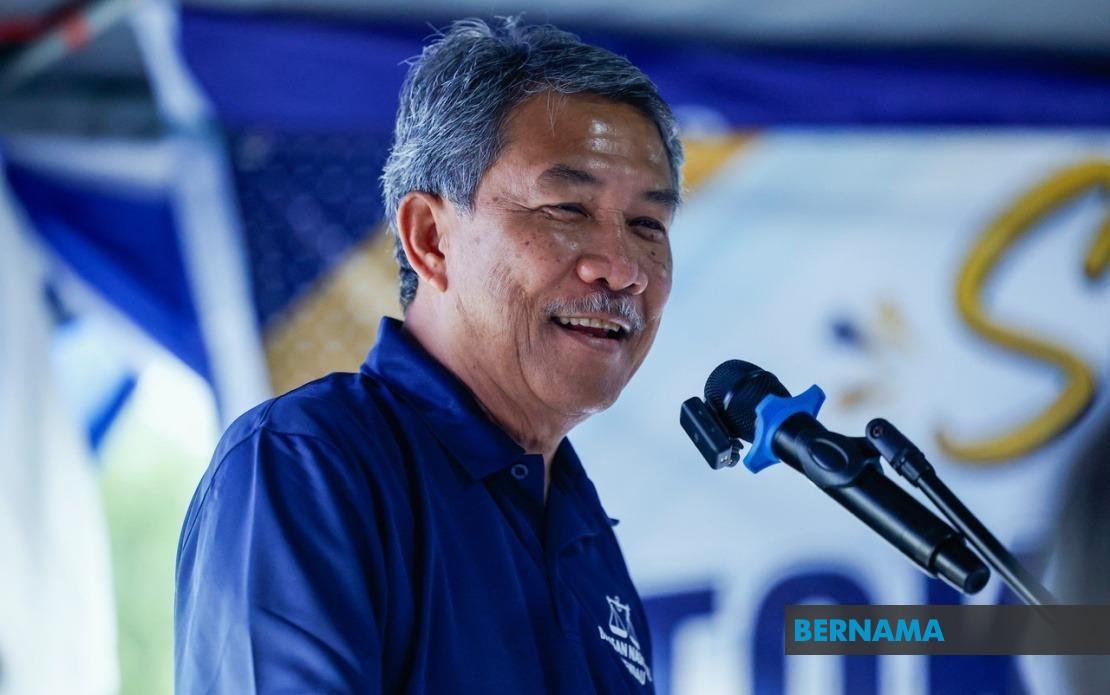
Malaysia has formally reaffirmed its established position of not recognising Israel to the United States government, with Foreign Minister Datuk Seri Mohamad Hasan emphasising that the policy remains a cornerstone of the nation's diplomatic stance. The clarification came after Malaysia's Ambassador to the US, Tan Sri Muhammad Shahrul Ikram Yaakob, was summoned by the US State Department to explain the country's immigration and recognition policies, which continue to exclude Israeli nationals from entry into Malaysian territory.
The restatement of Malaysia's position reflects an ongoing diplomatic tension between Kuala Lumpur and Washington over a recent incident involving an Israeli citizen who attempted to enter Malaysia using a US passport. According to Mohamad Hasan, Malaysian immigration officials discovered that the individual held dual citizenship—both American and Israeli—and subsequently requested his departure from the country. The government has maintained that this action was consistent with long-established immigration protocols and represents no departure from decades of official policy.
The Malaysian government's handling of the matter has drawn scrutiny from members of the United States Congress, with eight Democratic lawmakers formally registering their objection to Prime Minister Datuk Seri Anwar Ibrahim's decision to expel the Israeli citizen. Representatives Greg Landsman, Josh Gottheimer, Jimmy Panetta, Dan Goldman, Debbie Wasserman Schultz, Jared Moskowitz, Brad Sherman and Jake Auchincloss collectively addressed a letter to the US Secretary of State expressing dissatisfaction with Malaysia's enforcement of its immigration restrictions against Israeli passport holders.
Prime Minister Anwar Ibrahim has shown no indication of reversing course in response to American congressional pressure, instead reiterating yesterday that Malaysia intends to maintain its ban on Israeli citizens entering the country regardless of international objections. Anwar framed the policy within the broader context of Malaysia's commitment to human rights advocacy, specifically emphasising the nation's opposition to what he characterised as the ongoing oppression, aggression, and killing of Palestinian civilians in Gaza. This framing establishes the policy not merely as bureaucratic protocol but as an expression of Malaysia's geopolitical values and solidarity with Palestinian causes.
For Malaysian readers, this episode underscores the enduring tension between Kuala Lumpur's commitment to its pro-Palestine stance and pressure from Western powers to normalise relations with Israel. Unlike several neighbouring countries in the Gulf region that have recently signed normalisation agreements with Israel, Malaysia has maintained a categorical refusal to recognise the Israeli state or permit its citizens unrestricted access to Malaysian soil. The policy carries substantial domestic political weight, with strong public and parliamentary support for measures that demonstrate Malaysian solidarity with Palestinian rights.
The involvement of US State Department officials in summoning the Malaysian ambassador suggests that Washington views Malaysia's immigration stance as increasingly problematic, particularly as the Biden administration navigates complex relationships across the Middle East and Southeast Asia. The congressional letter represents a rare moment of formal legislative pressure on a foreign policy matter, indicating that Malaysian-American relations may experience friction on this issue. For Southeast Asia more broadly, Malaysia's uncompromising position contrasts with diplomatic pragmatism adopted by some regional partners who have sought to balance economic and security ties with the United States against traditional Arab and Islamic solidarity.
Datuk Seri Mohamad Hasan's statement, made during a campaign event for the Barisan Nasional candidate in Chembong in conjunction with the Negeri Sembilan state election, demonstrates that the government treats its Israel non-recognition policy as a matter of domestic political importance as well as international principle. By publicly reaffirming the stance at a campaign event, the Foreign Minister signalled that the issue resonates with Malaysian voters and reflects widely-held national sentiments. The timing of the clarification, coinciding with state-level elections, suggests the government recognises that maintaining a firm position on Palestinian rights remains politically advantageous within the Malaysian electorate.
The Malaysian government's insistence that the policy is neither new nor reactive to American pressure carries strategic significance. By emphasising the longstanding nature of the non-recognition stance, officials seek to position Malaysia as principled and consistent rather than reactive to external demands. This rhetorical approach allows the government to frame American criticism as interference in Malaysian domestic affairs and immigration sovereignty—a framing likely to resonate favourably within domestic political discourse and with fellow Muslim-majority nations across the region.
Looking forward, this episode may foreshadow broader complications in Malaysian-American relations, particularly if the United States intensifies diplomatic pressure on the immigration issue or ties it to other bilateral concerns. Malaysia's government appears committed to maintaining the policy regardless of such pressure, suggesting that this issue could become a persistent point of contention in the relationship. For regional observers, Malaysia's resolve in the face of American objections demonstrates that not all Southeast Asian nations view normalisation with Israel as inevitable or desirable, maintaining independent foreign policy positions despite considerable external pressure.

